
 Pin it
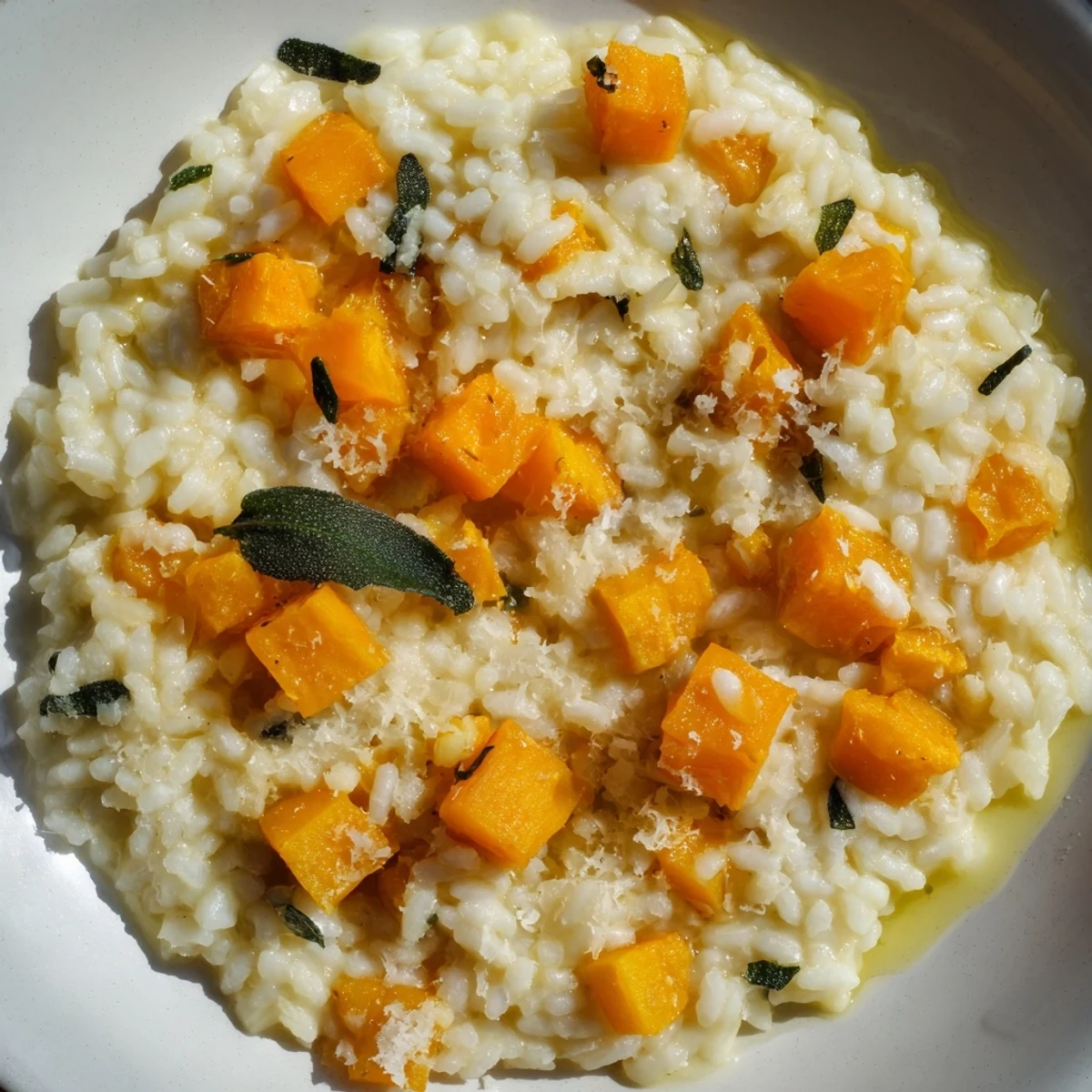
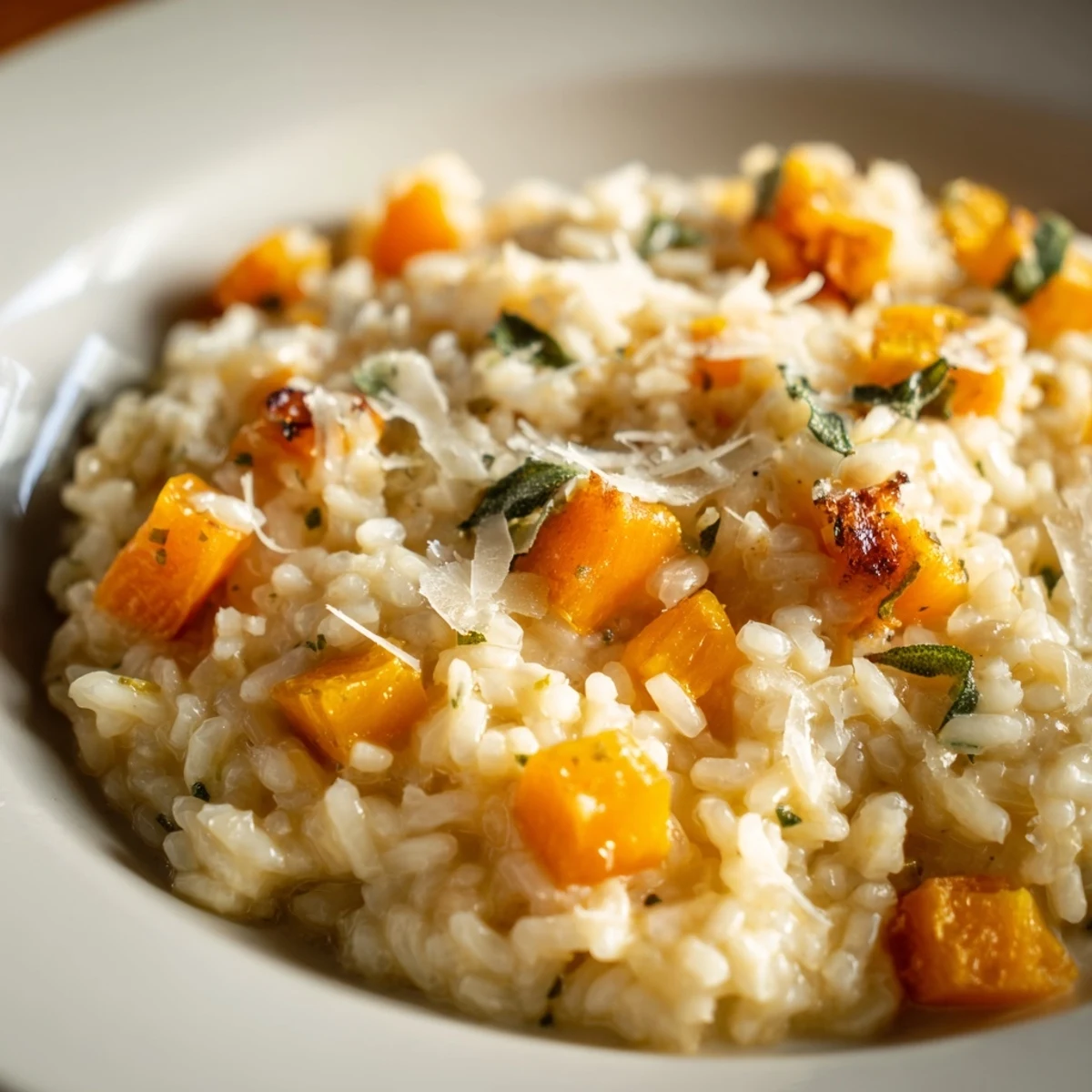
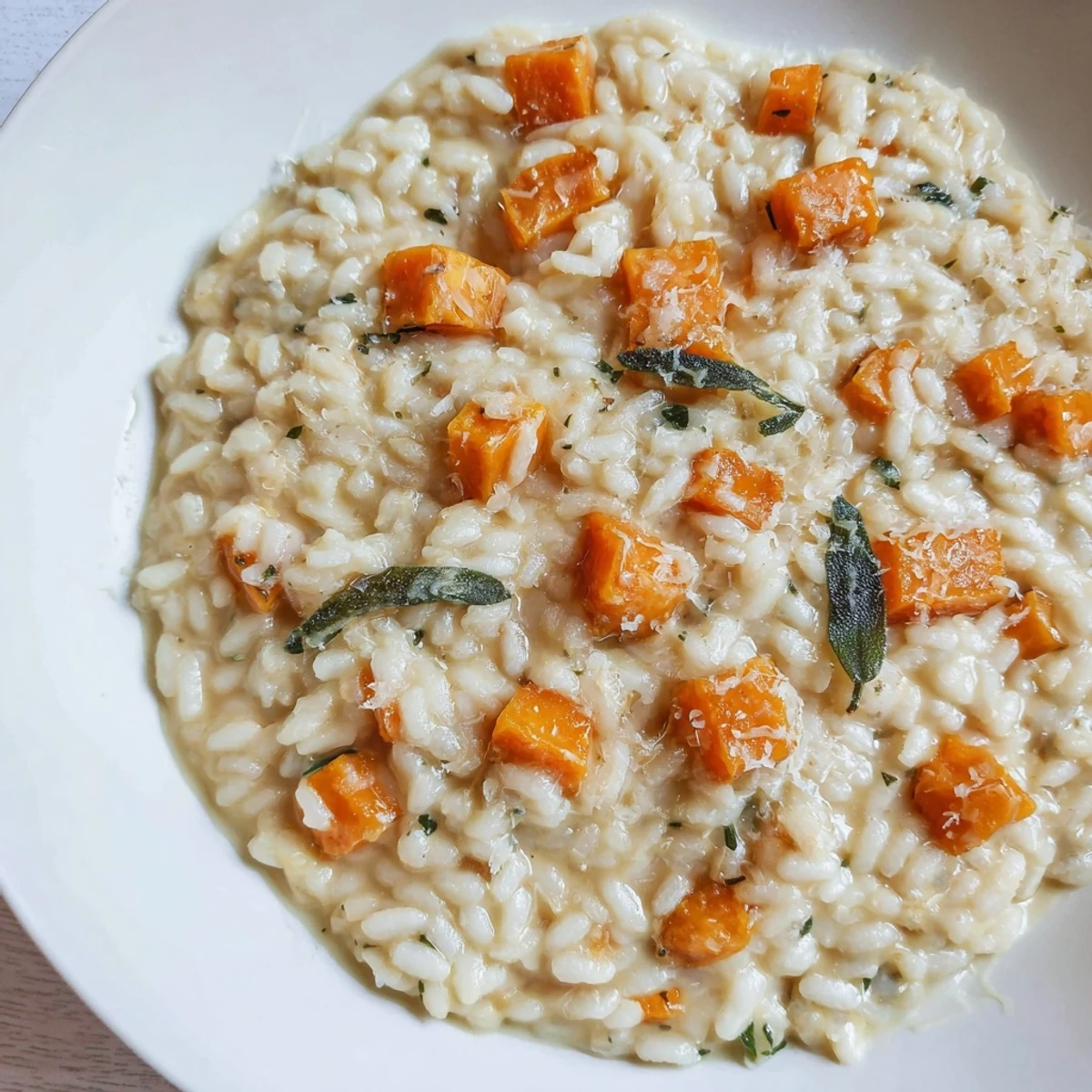
 This creamy Italian dish highlights tender roasted winter squash blended with fragrant sage and rich Parmesan cheese for a comforting meal. Arborio rice is slowly cooked with white wine and warm vegetable stock until perfectly creamy and al dente. Butter adds a velvety texture while black pepper and salt bring balanced seasoning. Ideal for chilly evenings, this dish invites variations like baby spinach or sautéed mushrooms. Enjoy with a crisp white wine such as Pinot Grigio for a delightful dining experience.
The first time I made risotto properly was during a snowstorm when my kitchen was the only warm room in the house. Something about stirring that pot rhythmically for twenty minutes felt meditative, like I was willing warmth into existence. The squash was roasting away in the oven, and every time I opened the door to check on it, this incredible sweet, earthy scent would billow out. That evening taught me that risotto is really just patience rewarded with creaminess.
Last winter, my neighbor Sarah came over unexpectedly while I was halfway through stirring the rice. She ended up staying for dinner and told me it was the best thing she had eaten in months. Theres something about the combination of textures and the way the flavors build on themselves that makes people lean in a little closer when they take that first bite.
Ingredients
- 1 small winter squash: Butternut or acorn work beautifully here. Roasting it first concentrates the natural sweetness and creates those lovely caramelized edges that fold into the rice.
- 1 1/2 cups Arborio rice: This short grain rice is essential because its high starch content creates that signature creamy texture as it releases starch into the cooking liquid.
- 4 cups vegetable stock: Keep it warm in a separate pot. Adding cold stock to hot rice shocks the grains and interrupts that crucial starch release.
- 1/2 cup dry white wine: The alcohol evaporates but leaves behind acidity that cuts through the richness and brightens the whole dish.
- 2 tbsp fresh sage: Fresh sage loses its bitterness when cooked and develops this wonderful earthy, almost piney flavor that screams autumn comfort.
- 1/2 cup Parmesan cheese: freshly grated makes a huge difference here. It melts into the rice and adds that final punch of umami that ties everything together.
Instructions
- Roast the squash first:
- Toss your peeled and diced squash with olive oil and a pinch of salt, then spread it on a baking sheet and roast at 400°F for 20 to 25 minutes until tender and caramelized. The house will start smelling amazing right about now.
- Build your flavor base:
- Heat olive oil and butter in a large pan over medium heat, then cook the onion until translucent. Add garlic and chopped sage for just one minute. You want everything soft and fragrant, not browned or bitter.
- Toast the rice:
- Stir in the Arborio rice and cook for 1 to 2 minutes until the grains look slightly translucent at the edges and are well coated with the fat. This step helps each grain hold its texture during the long cooking process.
- Deglaze with wine:
- Pour in the white wine and stir until its mostly absorbed. The kitchen will fill with this wonderful aroma as the alcohol cooks off, leaving behind just the bright acidity.
- The patient stirring begins:
- Add warm stock one ladleful at a time, stirring frequently and waiting until most liquid is absorbed before adding more. Continue this dance for about 18 to 20 minutes until the rice is creamy but still has a slight bite to it.
- Finish with flair:
- Gently fold in the roasted squash, remaining butter, and grated Parmesan. Taste and adjust the seasoning, then let it rest for just 2 minutes off the heat. This final rest is crucial for achieving that perfect, restaurant consistency.
 Pin it
 This recipe became my go to for dinner parties after I served it at a book club meeting and the conversation completely stopped for five solid minutes. Theres something universally comforting about risotto that makes people feel taken care of, like someone put real time and thought into feeding them something substantial.
Making It Your Own
Once you have mastered the basic technique, risotto becomes a canvas for whatever is in season or whatever you are craving. Sometimes I add a handful of baby spinach at the very end or sauté some mushrooms to fold in with the squash. The method stays the same, but the personality changes completely.
Worth The Wait
That twenty minutes of stirring might feel like a lot, but it is really a gift disguised as work. You are forced to stay present, to pay attention, to slow down while something delicious comes together under your watchful eye. There is something grounding about the whole process that makes the food taste better somehow.
Serving Suggestions
A crisp Pinot Grigio cuts through the richness beautifully, and a simple green salad with a bright vinaigrette balances the meal. I like to put extra Parmesan and some fried sage leaves on the table so people can customize their final bite.
- Let the risotto rest for 2 minutes before serving
- Grind fresh pepper at the table for the brightest flavor
- Leftovers reheat surprisingly well with a splash of water
 Pin it
 There is real joy in standing at the stove, stirring something that slowly transforms into comfort in a bowl. I hope this recipe finds its way into your regular rotation.
Recipe Q&A
- → What type of squash works best for this dish?
-
Butternut or acorn squash are ideal, but pumpkin or kabocha can be used as alternatives.
- → How do you achieve the creamy texture?
-
Slowly adding warm vegetable stock to the Arborio rice while stirring frequently helps release the starches, creating a creamy texture.
- → Can this dish be made gluten-free?
-
Yes, using gluten-free vegetable stock ensures the dish remains gluten-free.
- → What herbs complement the flavors?
-
Fresh sage is key, adding a fragrant, earthy note that pairs beautifully with the squash and Parmesan.
- → What wine pairs well with this meal?
-
A crisp white wine like Pinot Grigio enhances the dish's flavors and balances its richness.