
 Pin it
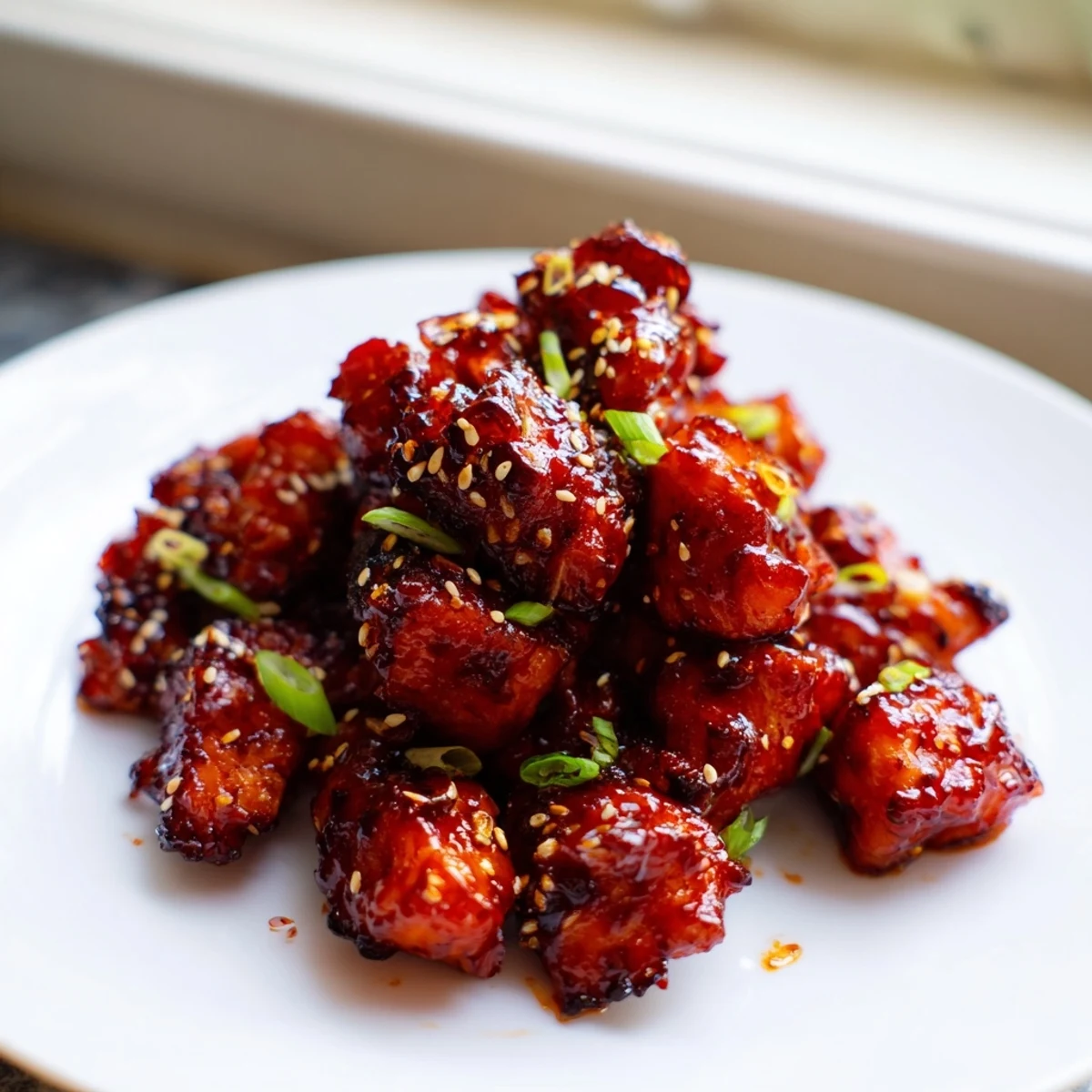
 This Korean-inspired gochujang chicken features bite-sized chicken thighs marinated in a bold blend of red chili paste, soy sauce, honey, rice vinegar, sesame oil, garlic, and ginger.
The marinated chicken is seared in a hot skillet until deeply caramelized and cooked through, then finished with toasted sesame seeds and sliced spring onions.
Ready in just 40 minutes with 15 minutes of prep, it delivers a perfect balance of spicy, savory, and slightly sweet flavors. Serve over steamed white rice alongside vegetables for a complete meal.
The sizzle of chicken hitting a screaming hot pan on a Tuesday night is its own kind of therapy, and this gochujang chicken has become my weeknight sanity saver. The first time I squeezed that vivid red paste from its tub, I was skeptical it could transform ordinary chicken thighs into something so deeply satisfying. Now it is the recipe I reach for when I want big flavor with almost zero effort, and the sticky caramelized edges have never once disappointed me.
A friend once stopped by unannounced while I was making this, and she stood in the kitchen doorway just breathing in the garlicky caramelized air before asking what on earth I was cooking. We ended up sitting on the floor around the skillet with forks, no plates, no rice, just scooping chicken straight from the pan until nothing was left but sticky residue and a pile of sesame seeds.
Ingredients
- 800 g boneless, skinless chicken thighs, cut into bite-sized pieces: Thighs stay juicier than breast meat and forgive you if you accidentally overcook by a minute.
- 3 tbsp gochujang (Korean red chili paste): This is the soul of the dish, offering fermented depth and a gentle building heat.
- 2 tbsp soy sauce: Salt and umami in one pour, tying the sweet and spicy elements together.
- 2 tbsp honey: Helps the chicken caramelize beautifully and rounds out the chili intensity.
- 1 tbsp rice vinegar: A subtle brightness that keeps the glaze from feeling one dimensional.
- 1 tbsp sesame oil: Toasted sesame oil adds a nutty fragrance that makes the whole kitchen smell incredible.
- 3 cloves garlic, minced: Fresh garlic is nonnegotiable here for that sharp aromatic punch.
- 1 tbsp ginger, grated: Grated ginger melts into the sauce and adds warmth without chunks.
- 1 tsp toasted sesame seeds: A finishing sprinkle that gives texture and visual appeal.
- 1 spring onion, thinly sliced (for garnish): Fresh bite and color right at the end to wake everything up.
- Cooked white rice or steamed vegetables (optional for serving): You will want something to soak up every drop of that sauce.
Instructions
- Whisk the marinade together:
- In a large bowl, combine the gochujang, soy sauce, honey, rice vinegar, sesame oil, garlic, and ginger, whisking until you have a smooth cohesive paste that smells incredible already.
- Coat the chicken:
- Toss the chicken pieces into the bowl and stir until every piece is generously coated, then let it sit for at least ten minutes so the flavors begin to penetrate the meat.
- Heat the pan:
- Set a large skillet or grill pan over medium high heat and let it get properly hot before adding anything, because that initial sear is what creates the caramelized edges you crave.
- Cook the chicken:
- Add the marinated chicken in a single layer and cook for six to eight minutes per side, letting it develop a deep sticky crust before flipping, until cooked through completely.
- Finish and garnish:
- Pull the pan off the heat and immediately scatter the toasted sesame seeds and sliced spring onion over the top while everything is still glistening.
- Serve immediately:
- Pile the chicken onto plates alongside steamed rice or vegetables and make sure you spoon every bit of leftover sauce from the pan over the top.
 Pin it
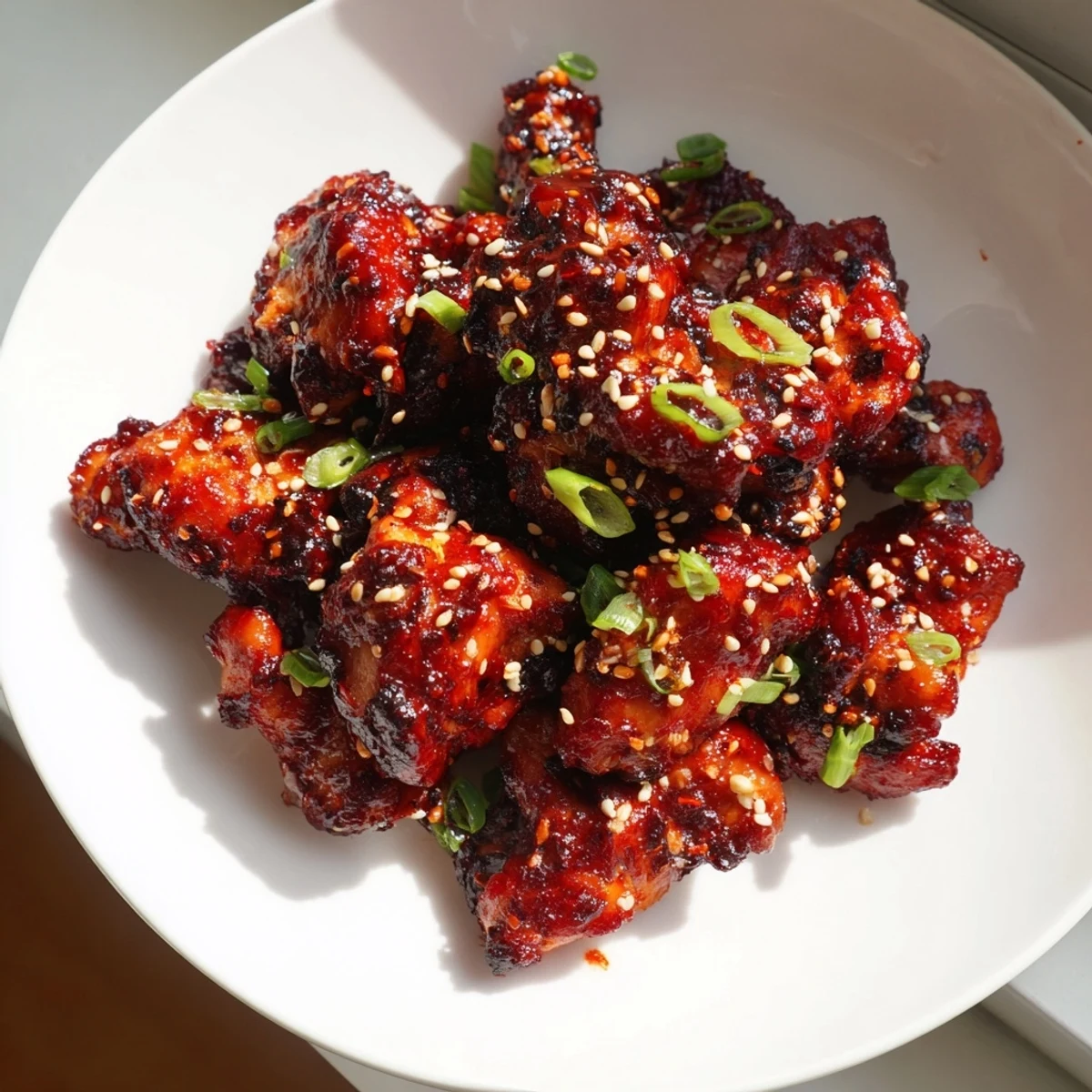
 I once packed the leftovers into a container for lunch the next day and ate them cold standing over the kitchen sink, and honestly they were almost better than when they were fresh off the heat.
What to Serve Alongside
This chicken loves plain steamed rice because it acts as a blank canvas for all that saucy goodness. Steamed bok choy with a drizzle of sesame oil or a quick cucumber salad dressed with rice vinegar and a pinch of salt both bring freshness that balances the rich spicy glaze beautifully.
Handling the Heat
Gochujang itself is moderately spicy with a fermented sweetness that softens the blow, but if you are cooking for someone sensitive to heat you can dial back to two tablespoons and add an extra splash of honey. Going the other direction, a teaspoon of gochugaru folded into the marinade turns the volume up without changing the character of the dish.
Making It Your Own
Chicken breasts work fine if that is what you have, just watch the cooking time closely because they dry out faster than thighs. This same marinade is phenomenal on salmon fillets or even tofu cubes pressed dry and pan fried until crisp.
- Swap regular soy sauce for tamari to keep the dish gluten free.
- Double the marinade and reserve half before adding raw chicken to use as a dipping sauce.
- Always let the pan preheat fully before adding the chicken for the best crust.
 Pin it
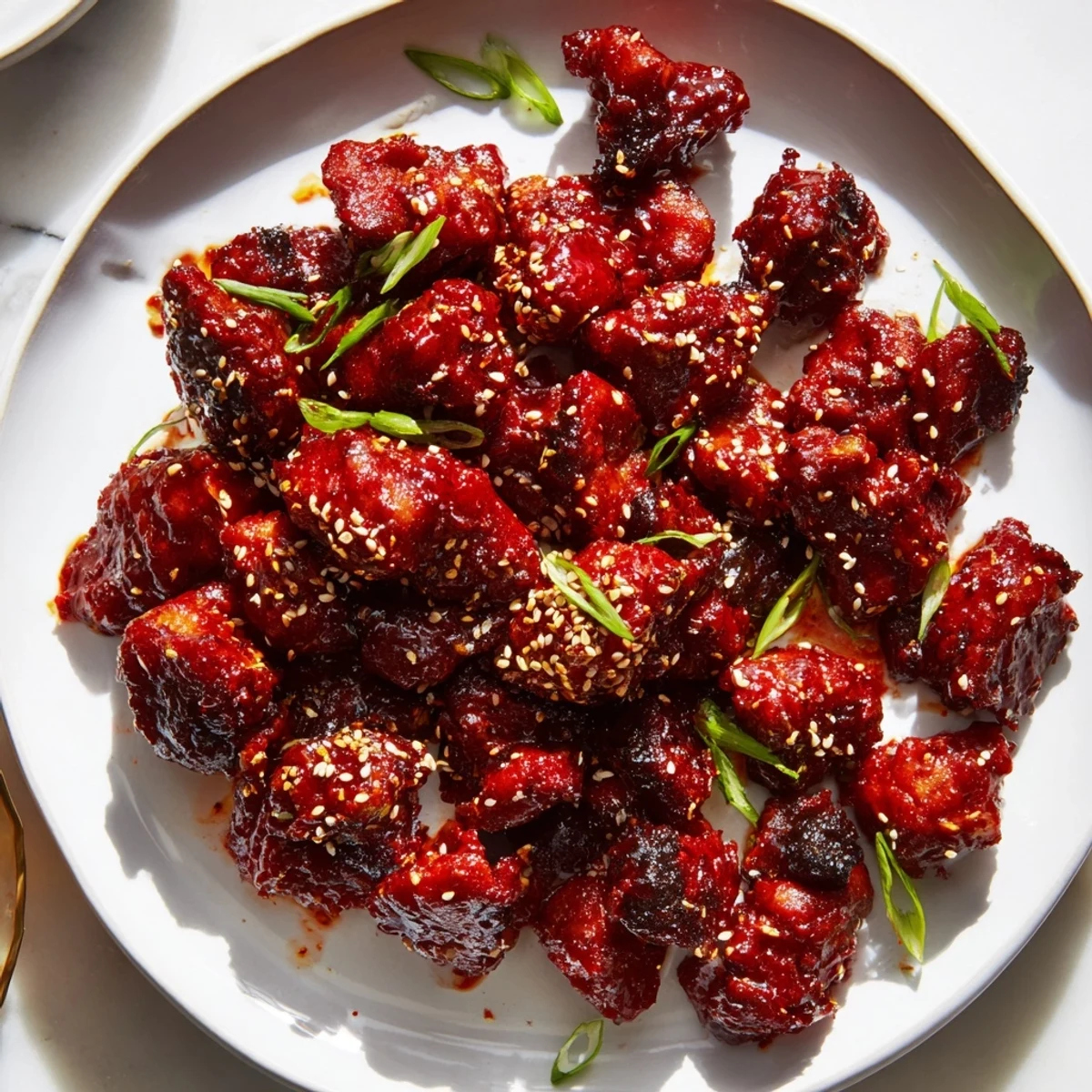
 Keep a tub of gochujang in your fridge and this recipe will never be more than fifteen minutes of prep away from saving your dinner.
Recipe Q&A
- → What is gochujang and where can I find it?
-
Gochujang is a Korean red chili paste made from fermented soybeans, glutinous rice, and chili powder. It has a thick, sticky consistency with a complex sweet, savory, and spicy flavor profile. You can find it in most grocery stores in the Asian foods aisle or at Korean and Asian markets.
- → Can I use chicken breasts instead of thighs?
-
Yes, you can substitute boneless, skinless chicken breasts for thighs. Keep in mind that chicken breasts cook faster and can dry out more easily, so reduce the cooking time by about 2 minutes per side and watch carefully to avoid overcooking.
- → How long should I marinate the chicken?
-
A minimum of 10 minutes is sufficient for the flavors to coat the chicken, but marinating for up to 2 hours in the refrigerator will yield a deeper, more pronounced flavor throughout the meat.
- → Is this dish very spicy?
-
Gochujang provides a moderate, building heat that is balanced by the honey and soy sauce. The dish is pleasantly spicy without being overwhelming. If you prefer more heat, add 1 teaspoon of gochugaru (Korean chili flakes) to the marinade.
- → What sides pair well with gochujang chicken?
-
Steamed white rice is the classic pairing, absorbing the flavorful glaze beautifully. Other great options include steamed bok choy, a simple cucumber salad, stir-fried vegetables, or pickled radish for a refreshing contrast.
- → Can I make this dish gluten-free?
-
Yes, simply replace regular soy sauce with tamari or a certified gluten-free soy sauce. The rest of the ingredients are naturally gluten-free, but always check labels on your gochujang brand to confirm.