
 Pin it
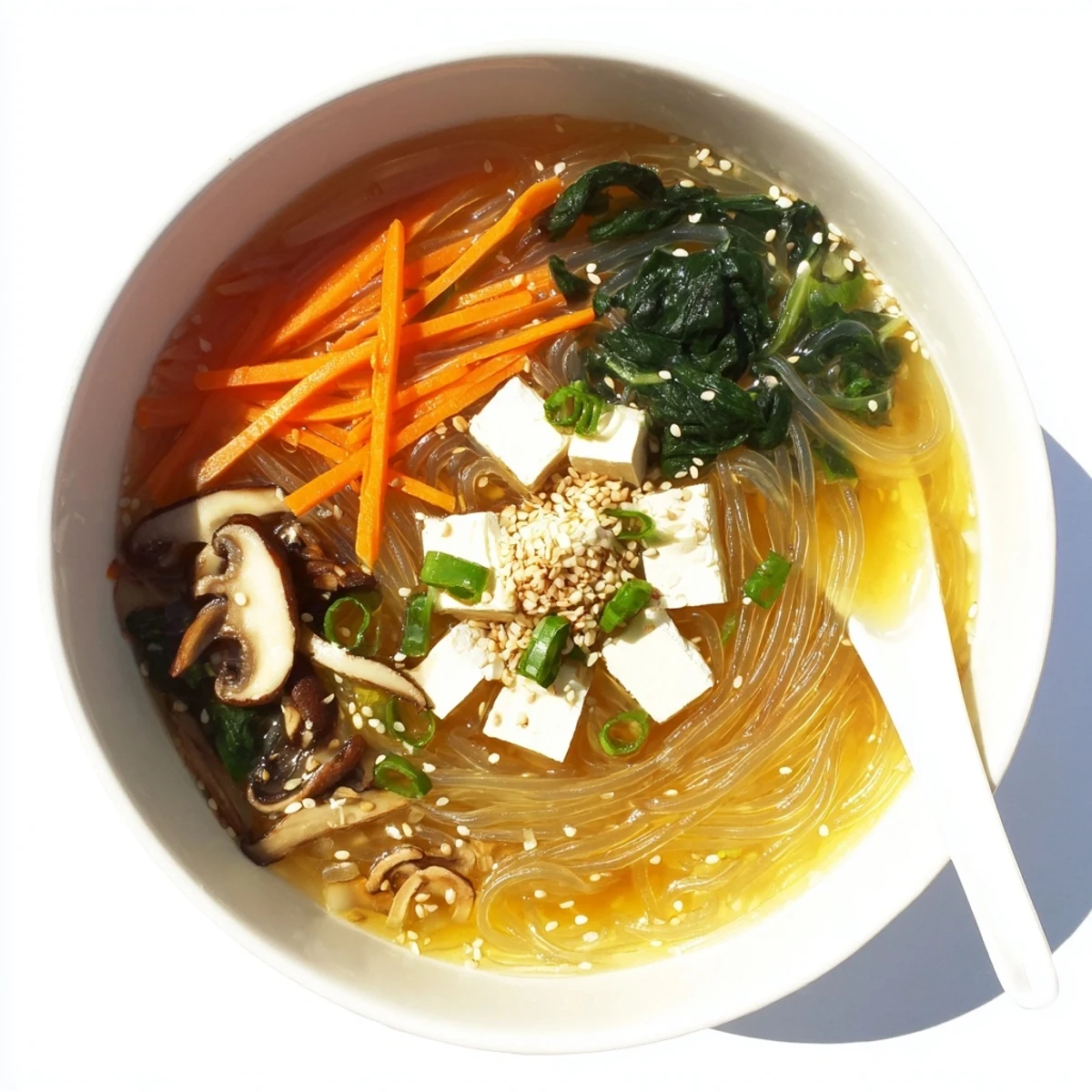
 This wholesome Japanese bowl features translucent harusame glass noodles swimming in a fragrant dashi-based broth. The medley of julienned carrots, earthy shiitake mushrooms, and tender spinach creates a nutritious harmony, while cubed tofu adds satisfying protein. Each comforting bowl is finished with nutty sesame seeds and fresh spring onions, delivering a light yet fulfilling meal that comes together in just 25 minutes.
The first time I had harusame soup was at a tiny hole-in-the-wall in Tokyo during a rainy November afternoon. The steam rising from my bowl carried this impossible combination of savory broth and delicate translucent noodles that somehow felt like a warm embrace. I spent months trying to recreate that specific feeling at home, adjusting dashi ratios and timing until I realized sometimes simplicity is its own kind of perfection.
My roommate walked in while I was making this last winter, her nose red from the cold, and immediately asked what smelled so incredible. We ended up eating at the counter, steam fogging up the windows, both of us too focused on the soup to bother with proper plates. Sometimes the best meals arent the ones you planned but the ones that happen when you need comfort most.
Ingredients
- Dashi stock: The backbone of Japanese cooking, though quality broth works in a pinch
- Soy sauce: Use a good brand, youll taste the difference
- Mirin: Adds that subtle sweetness that balances the salt
- Sesame oil: Just a teaspoon gives the broth this incredible depth
- Harusame noodles: These glass noodles are made from mung beans and have the most satisfying texture
- Carrots and shiitake mushrooms: The classic duo that adds sweetness and umami
- Spinach or bok choy: I keep both on hand and use whatever looks freshest
- Firm tofu: Optional but I love the protein and how it soaks up flavors
- Sesame seeds: Toast them right before serving for maximum aroma
Instructions
- Build your broth base:
- Combine the dashi stock, soy sauce, mirin, sesame oil, and salt in a large saucepan. Let it come to a gentle simmer over medium heat, watching the steam start to rise and carry that incredible aroma through your kitchen.
- Add the hearty vegetables:
- Drop in your julienned carrots and sliced shiitake mushrooms. Let them simmer for about 5 minutes until you can see the carrots starting to soften and the mushrooms releasing their earthy flavor into the broth.
- Add the tofu if using:
- Gently slide in your tofu cubes and let them warm through for another 2 minutes. Be careful not to break them up as you stir.
- Prep the glass noodles:
- Place the harusame noodles in a heatproof bowl and cover with boiling water. Let them soak for 4 to 5 minutes until tender, then drain well and divide them among your serving bowls.
- Wilt the greens:
- Add your spinach or bok choy to the simmering broth and cook for just 1 minute until theyre perfectly wilted but still vibrant green.
- Bring it all together:
- Ladle the hot broth and vegetables over the noodles in each bowl, making sure everyone gets plenty of mushrooms and tofu.
- Finish with garnish:
- Sprinkle with toasted sesame seeds and extra spring onion. Serve immediately while the steam is still rising and the noodles are at their perfect texture.
 Pin it
 This soup became my go-to when I moved to a new city and knew absolutely no one. Making it felt like anchoring myself to something familiar, and the act of simmering broth made my tiny apartment feel like home.
Making It Your Own
Ive learned that the best recipes are ones you adapt to your taste. Sometimes I add a splash of chili oil when I want warmth, or extra mushrooms when thats all I have in the fridge. The soup never complains and always delivers comfort.
The Perfect Broth Balance
Getting the seasoning right took me a few tries. Start with less salt than you think you need, then adjust after the vegetables have had time to release their natural sweetness into the broth. The flavors concentrate as it simmers, so patience really does pay off.
Timing Is Everything
The beauty of this soup is how quickly it comes together. I prep everything before turning on the stove, cutting my vegetables and cubing the tofu into neat little pieces. This way I can focus entirely on timing each addition so nothing overcooks.
- Prep your garnish before you start cooking
- Have your serving bowls ready near the stove
- Keep the broth at a gentle simmer, never a rolling boil
 Pin it
 Theres something about slurping hot noodles from a steaming bowl that makes everything feel a little more manageable, a little more hopeful.
Recipe Q&A
- → What are harusame noodles?
-
Harusame are Japanese glass noodles made from mung bean starch, potato starch, or corn starch. They're transparent, slightly chewy noodles that become tender when soaked in hot water and are naturally gluten-free.
- → Can I make this soup vegetarian?
-
Yes, simply substitute traditional dashi stock (which contains bonito flakes) with vegetable broth or kombu-based dashi. The soup will still have plenty of umami flavor from the soy sauce, mushrooms, and sesame oil.
- → How do I prevent the noodles from getting mushy?
-
Soak harusame noodles separately in boiling water just until tender (4-5 minutes), then drain well. Don't cook them directly in the broth, and serve immediately after assembling the bowls.
- → What vegetables work best in this soup?
-
Carrots, shiitake mushrooms, spinach, and bok choy are classic choices. You can also add enoki mushrooms, wakame seaweed, snow peas, or thinly sliced napa cabbage for variation.
- → Can I add protein besides tofu?
-
Absolutely. Shredded cooked chicken, thinly sliced pork, or cooked shrimp work beautifully. For a vegetarian option, add edamame beans or extra tofu cubes.
- → How long does this soup keep?
-
The broth and vegetables can be refrigerated for up to 3 days. Store noodles separately to prevent them from absorbing too much liquid and becoming soft. Reheat gently and combine when ready to serve.