
 Pin it
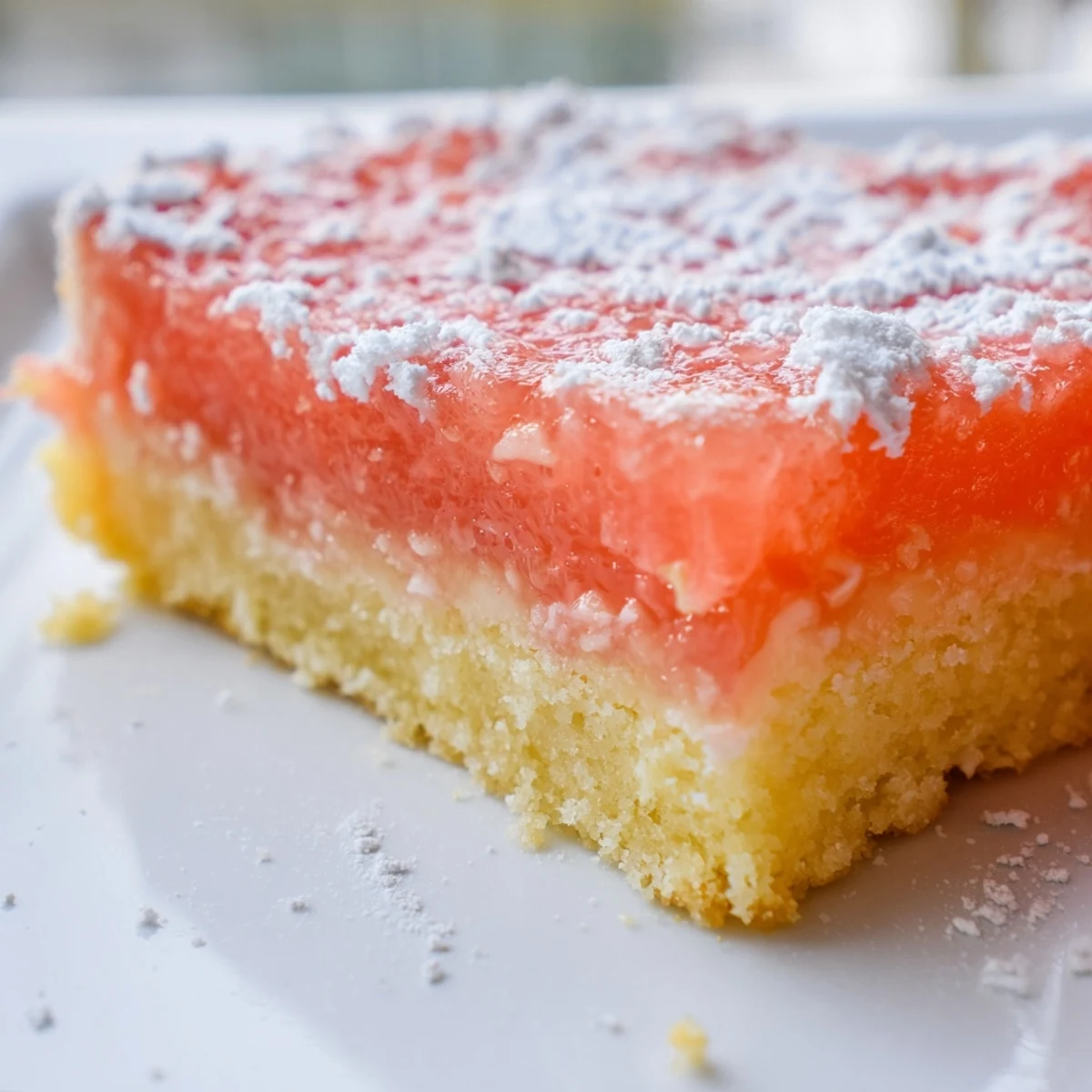
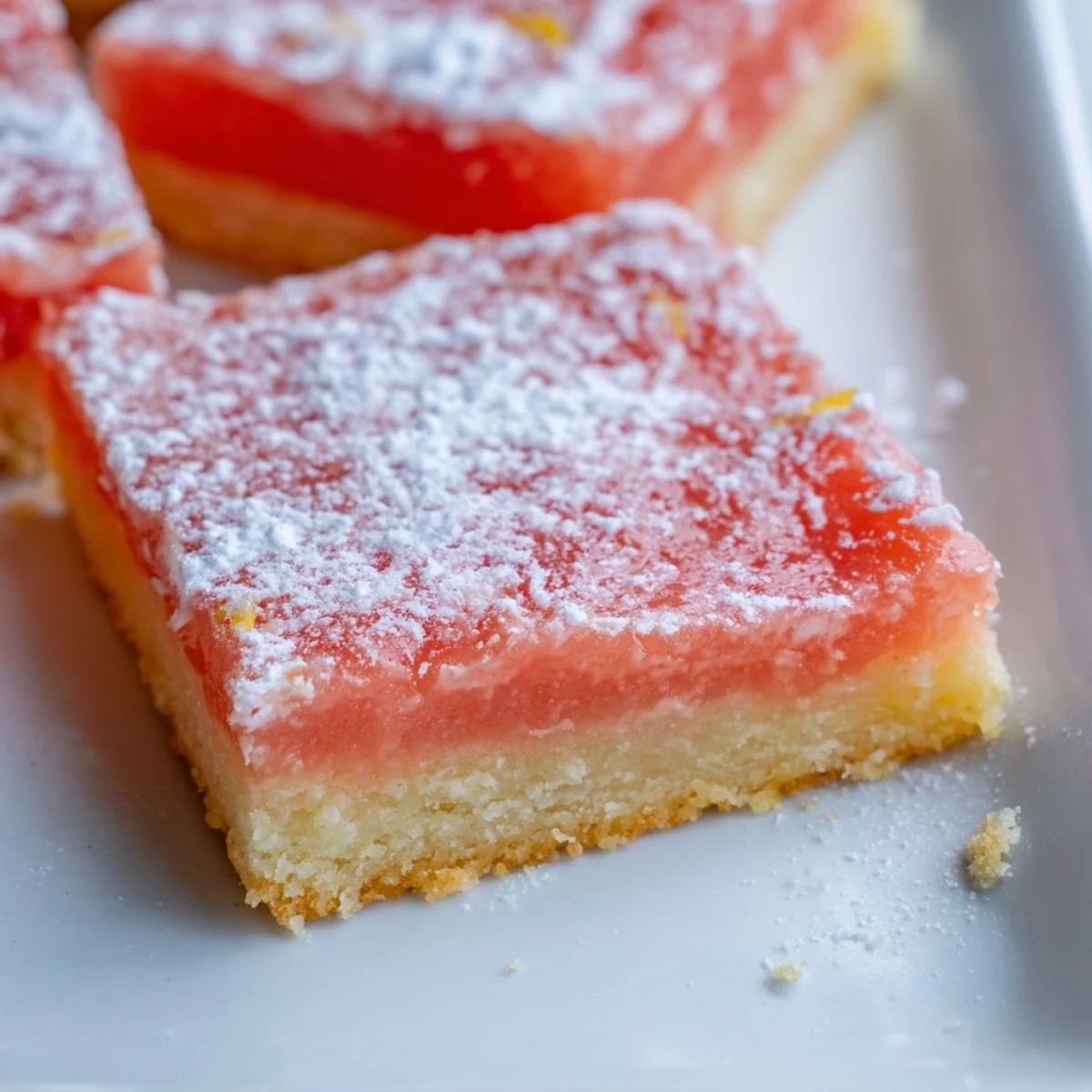
 These vibrant grapefruit bars combine a tender, buttery shortbread crust with a smooth, tangy grapefruit custard filling. Freshly squeezed grapefruit and lemon juices create a bright, citrusy flavor profile that strikes the perfect balance between sweet and tart. The bars require just 20 minutes of prep time and bake in under an hour, resulting in 16 elegant dessert squares.
The key to achieving the best texture is pouring the filling over the hot crust immediately after baking. This technique helps the layers meld together seamlessly. For extra visual appeal, choose pink or ruby red grapefruits to give the filling a beautiful rosy hue. A light dusting of powdered sugar just before serving adds the finishing touch.
I stood in my kitchen last March, grapefruit juice running down my wrist, wondering if this slightly chaotic experiment would actually work. The winter had felt endless and I needed something that screamed spring was actually coming. These bars became my answer to gray days.
My sister was visiting when I first pulled these from the oven, still slightly skeptical about grapefruit in dessert form. She took one bite, eyes wide, and immediately asked for the recipe. Now theyre her requested birthday treat every year.
Ingredients
- Unsalted butter: Room temperature is non negotiable here, cold butter will fight you and your crust will suffer for it
- Granulated sugar: Cream it properly with the butter until it looks pale and fluffy, those air pockets make all the difference
- All-purpose flour: Spoon and level it instead of scooping directly, too much flour makes the crust tough instead of tender
- Salt: Just a pinch wakes up all the flavors and keeps the buttery crust from tasting flat
- More sugar for filling: This seems like a lot but grapefruit needs it to tame that natural bitterness
- Flour for filling: This tiny amount is what transforms the custard from soup into something you can actually slice
- Large eggs: Room temperature eggs incorporate better and prevent the filling from separating during baking
- Grapefruit juice: Fresh squeezed matters deeply, anything from a carton will taste flat and disappointingly artificial
- Grapefruit zest: This is where all the aromatic oils live, so zest carefully and avoid the bitter white pith underneath
- Lemon juice: Just enough to reinforce the tartness without overpowering the grapefruits unique personality
- Powdered sugar: The final touch that makes these look like they came from a fancy bakery
Instructions
- Get your oven ready:
- Preheat to 350°F and line your 9x9 pan with parchment, letting those edges overhang like little handles that will save you later
- Make the crust dough:
- Beat that softened butter and sugar until its light and fluffy, then fold in the flour and salt just until the dough comes together
- Press and bake:
- Press the dough firmly into your prepared pan and bake until the edges turn golden, about 18 to 20 minutes
- Whisk the filling:
- While the crust bakes, whisk sugar and flour together, then add eggs, both juices, and zest until everything is silky smooth
- Pour and bake again:
- Pour the filling over that hot crust the moment it comes out of the oven, then return everything to the oven for 18 to 22 minutes until just set
- Cool completely:
- Let them cool entirely in the pan, then use those parchment handles to lift them out before cutting into neat squares
- Dust and serve:
- Sift powdered sugar over the top right before serving, because it dissolves beautifully into the slightly sticky surface
 Pin it
 These became my go to for spring potlucks after someone told me they tasted like sunshine in bar form. That description stuck with me because it captures exactly what grapefruit does differently than lemon.
Getting The Most Flavor
Ruby red grapefruits will give you the most stunning pink hue, but white grapefruits actually have the brightest, most traditional grapefruit flavor. I have used both and honestly the taste difference is subtle but the visual impact of ruby red is worth seeking out.
Making Them Ahead
These actually improve after a night in the refrigerator, the flavors meld together and the texture becomes more fudge like. I often bake them a day before serving and keep them chilled until the moment they are needed.
Serving Suggestions
A light floral tea like Earl Grey or jasmine creates this beautiful contrast with the tart grapefruit. For something more celebratory, sparkling rosé cuts through the richness and highlights the citrus notes perfectly.
- Serve them slightly chilled rather than room temperature for the best texture
- A tiny pinch of flaky sea salt on top emphasizes the sweet and salty play
- These freeze surprisingly well if you need to get ahead of party prep
 Pin it
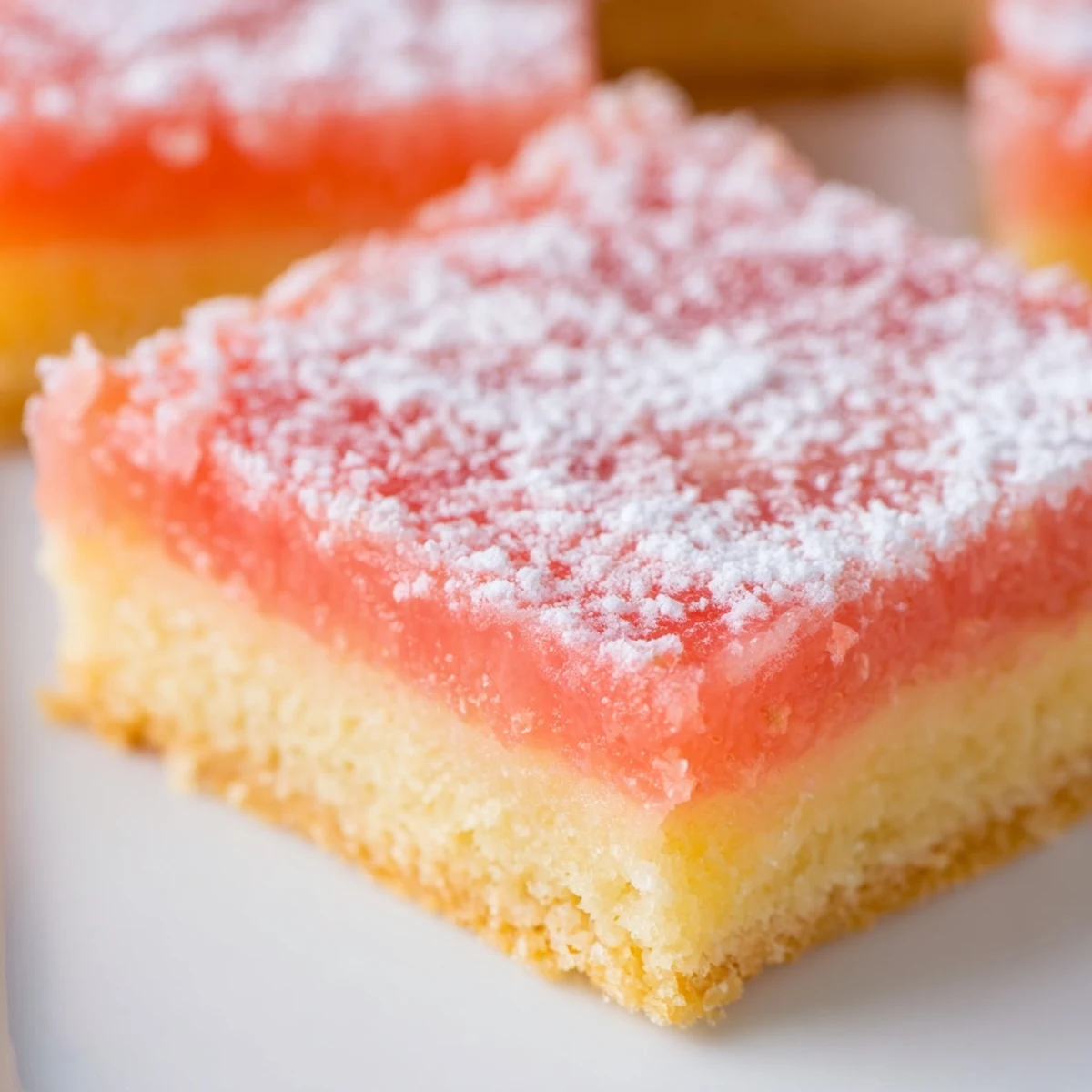
 These bars are proof that grapefruit deserves way more attention in the baking world. Once you taste them, lemon bars might just feel a little ordinary.
Recipe Q&A
- → Can I use other citrus fruits instead of grapefruit?
-
Yes, you can substitute lemon, lime, or orange juice for the grapefruit. The ratio remains the same, though each fruit will yield a different flavor profile. Lemon bars will be more tart, while orange will be sweeter. Adjust the sugar slightly based on your taste preference.
- → Why pour the filling on a hot crust?
-
Pouring the custard filling over the hot crust helps create a seamless bond between the two layers. This technique prevents the filling from separating from the crust during baking and ensures a clean, uniform texture when cut into bars.
- → How do I know when the bars are fully baked?
-
The bars are done when the center is just set and doesn't jiggle excessively when gently shaken. The edges should be lightly golden. Remember that the filling continues to cook slightly as it cools, so removing it at the right moment prevents overbaking.
- → Can I make these bars ahead of time?
-
These bars actually taste better after chilling. You can make them up to 2 days in advance and store them refrigerated in an airtight container. The powdered sugar absorbs moisture, so dust it just before serving rather than storing it on the bars.
- → What's the best way to cut clean bars?
-
For clean cuts, chill the bars completely before slicing. Use a sharp knife wiped clean between each cut. You can also lift the entire slab out using the parchment paper overhang and cut on a cutting board for easier handling.
- → Why is my filling curdled?
-
Curdling usually happens if the eggs are cooked too quickly or at too high a temperature. Make sure your oven temperature is accurate and avoid overbaking. Whisking the filling thoroughly until smooth before pouring also helps ensure a silky texture.