
 Pin it
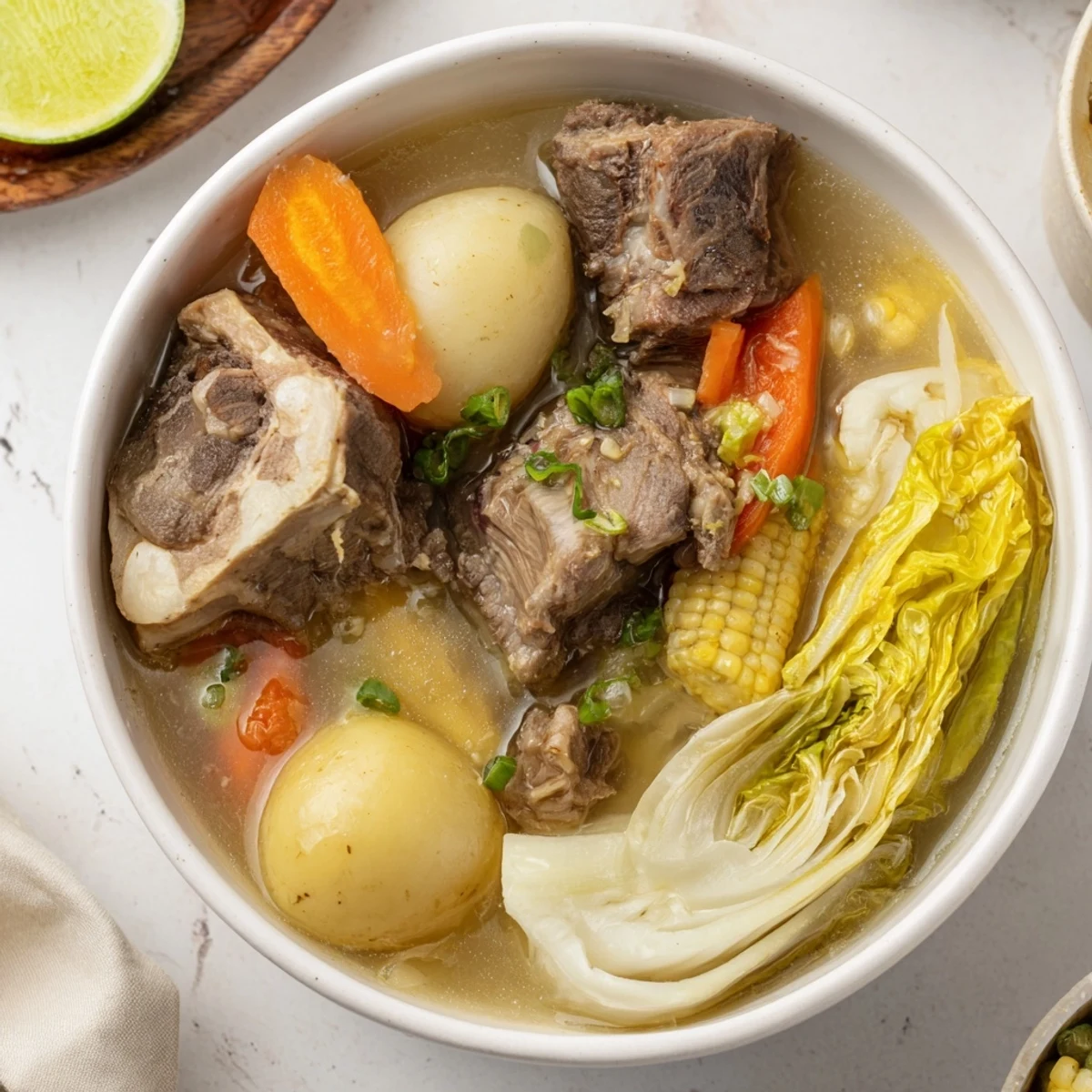
 Bulalo is a beloved Filipino comfort dish that transforms beef shank and bone marrow into a rich, clear soup. The long simmering process extracts deep flavors from the bones, creating a nourishing broth. Hearty vegetables like corn, potatoes, and cabbage add substance, while fish sauce provides authentic umami depth.
The rainy season in Manila always had me craving something deeply warming, and that's how I first fell in love with bulalo. My neighbor would simmer this soup all afternoon, and the aroma would drift through the hallway, making everyone's stomach growl in unison.
Last Christmas, I made a triple batch for our family reunion, and my uncle actually went silent for a full minute after his first spoonful. That's when I knew this recipe wasn't just food anymore.
Ingredients
- Beef shank with bone: The bone marrow melting into the broth is what makes this soup extraordinary, so never buy boneless.
- Extra marrow bones: Optional but worth every penny if you want restaurant-level richness.
- Corn on the cob: Natural sweetness balances the savory beef and adds authentic Filipino flavor.
- Napa cabbage: Adds freshness and texture at the very end.
- Fish sauce: Essential umami that salt alone cannot provide.
- Whole peppercorns: Gentle warmth that blooms as the soup simmers.
Instructions
- Start the broth base:
- Place beef shank and marrow bones in your largest pot, cover completely with water, and bring to a rolling boil over high heat.
- Clean and season:
- Skim off gray foam and impurities as they rise, then reduce heat, add onion, peppercorns, and fish sauce, and let simmer gently for 2 hours.
- Add hearty vegetables:
- Stir in potatoes and carrots, cooking for about 10 minutes until they begin softening.
- Add corn and beans:
- Add corn pieces, plantain if using, and trimmed green beans, simmering for another 10 minutes.
- Finish with cabbage:
- Gently fold in napa cabbage pieces and cook just until wilted, about 2 to 3 minutes.
- Season and serve:
- Taste your broth and adjust with salt or more fish sauce, then serve hot with scallions and calamansi wedges on the side.
 Pin it
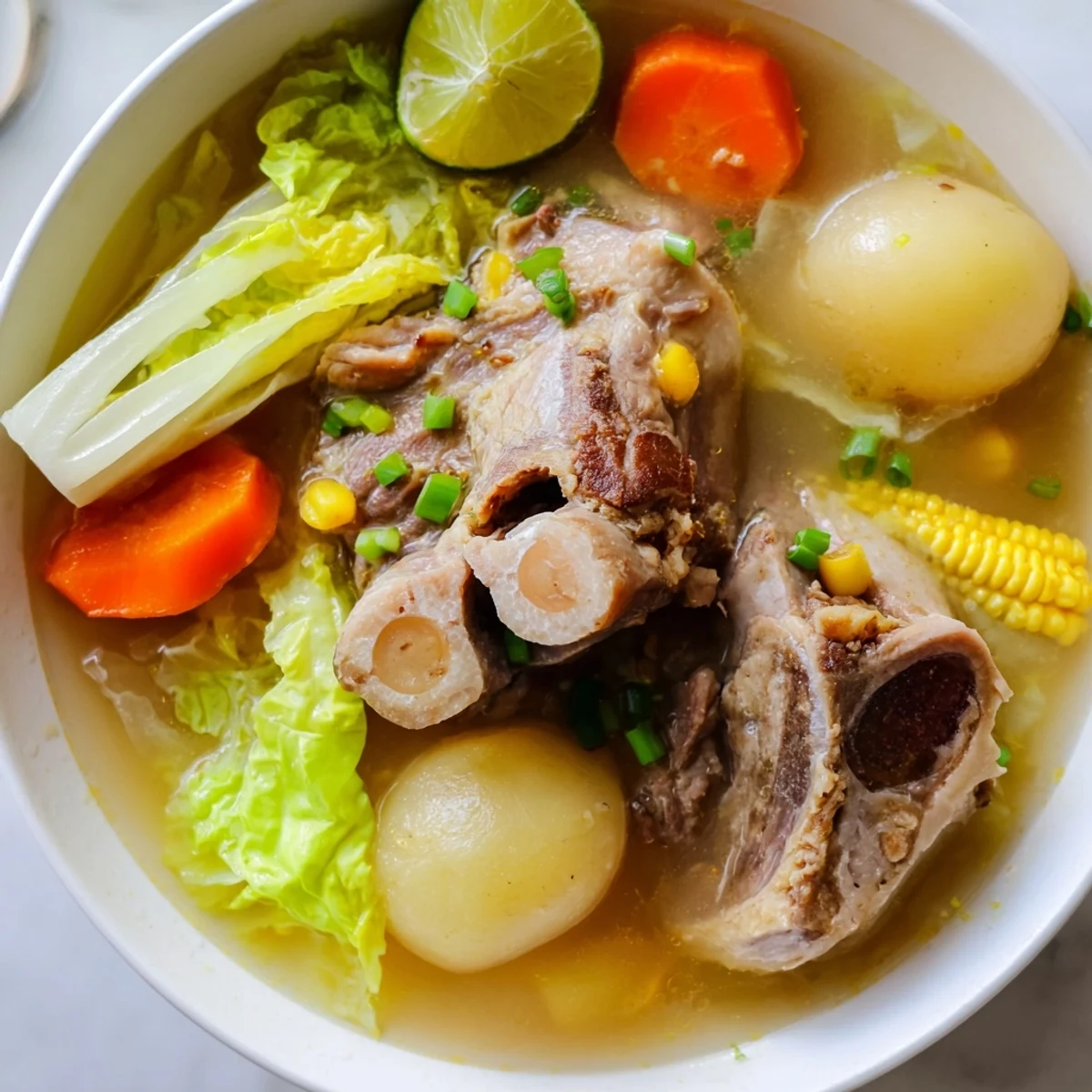
 My friend who grew up in Batangas told me that the best bulalo houses serve marrow spoons alongside, and now I never serve this without small spoons for scooping out that prized bone marrow.
Getting The Perfect Broth
Patience is absolutely non-negotiable here. Rushing the simmer time means tough beef and thin broth, so plan accordingly.
Serving Traditions
This soup is always a communal experience in the Philippines, meant to be lingered over with plenty of steamed jasmine rice and good conversation.
Make It Ahead
Bulalo actually tastes better the next day when flavors have melded overnight in the refrigerator.
- Cool completely before storing to prevent bacterial growth.
- Reheat gently to avoid toughening the beef.
- Add fresh vegetables when reheating for better texture.
 Pin it
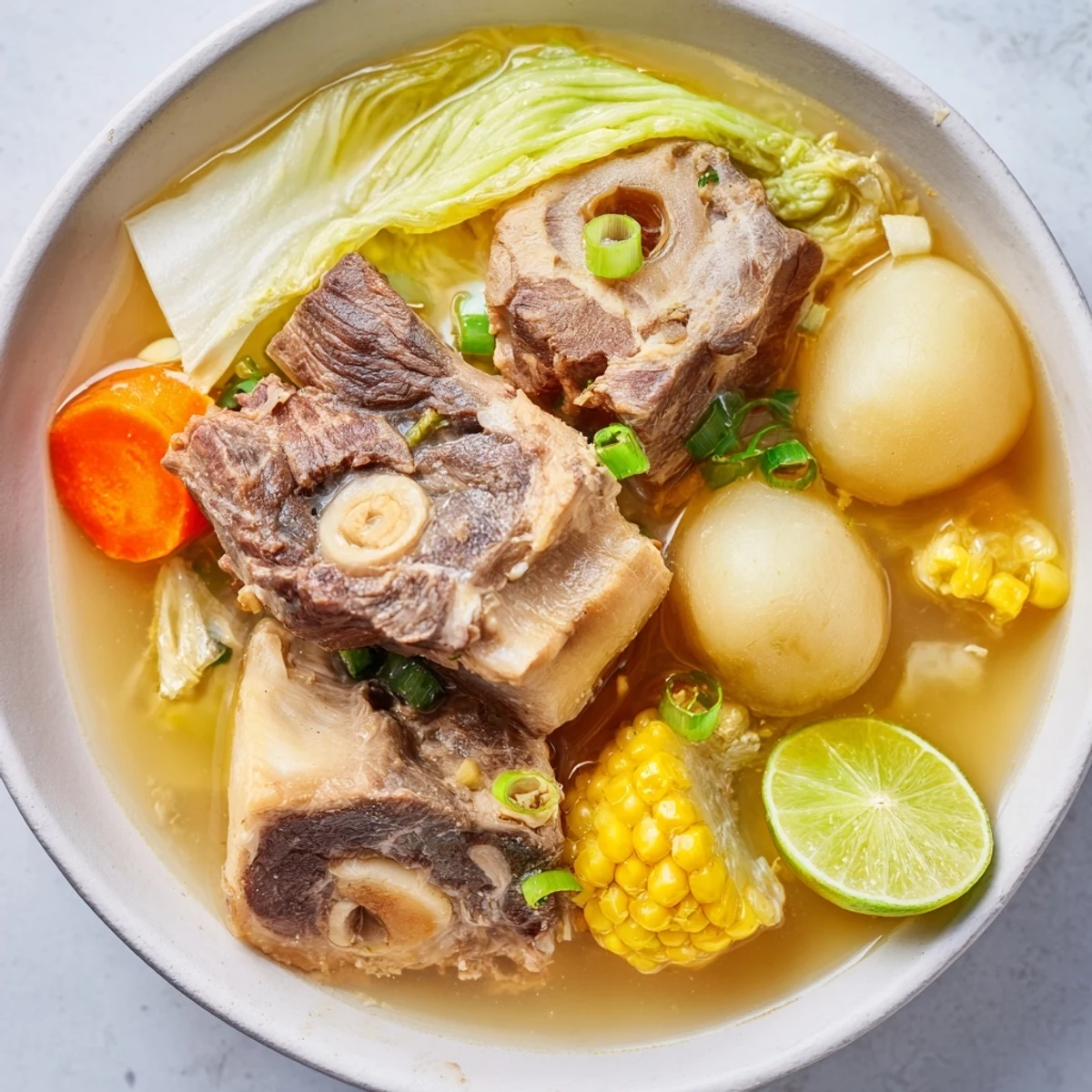
 There's nothing quite like gathering around a steaming pot of bulalo while rain taps against the window, everyone spooning broth and sharing stories.
Recipe Q&A
- → What makes bulalo broth clear?
-
Parboiling the beef briefly and discarding the first boil helps remove impurities. Skimming scum during cooking and avoiding vigorous boiling keeps the broth clear.
- → Can I use other beef cuts?
-
Beef shank is traditional for its marrow content. You can add oxtail or short ribs for richness, but shank provides the essential marrow that makes bulalo special.
- → What vegetables go in bulalo?
-
Corn, potatoes, carrots, napa cabbage, green beans, and plantain bananas are classic additions. Add sturdy vegetables first, leafy greens last to maintain texture.
- → How long should I cook the beef?
-
Simmer beef shank for at least 2 hours until fork-tender. The collagen breaks down slowly, creating that characteristic rich broth and tender meat.
- → What's traditionally served with bulalo?
-
Steamed jasmine rice, fish sauce for seasoning, and calamansi or lemon wedges for squeezing. Scallions add fresh garnish. Bone marrow spoons are ideal for enjoying the marrow.
- → Can I make bulalo in advance?
-
Yes, bulalo tastes better the next day as flavors deepen. Refrigerate and skim solidified fat before reheating. Add fresh vegetables when reheating to prevent mushiness.