
 Pin it
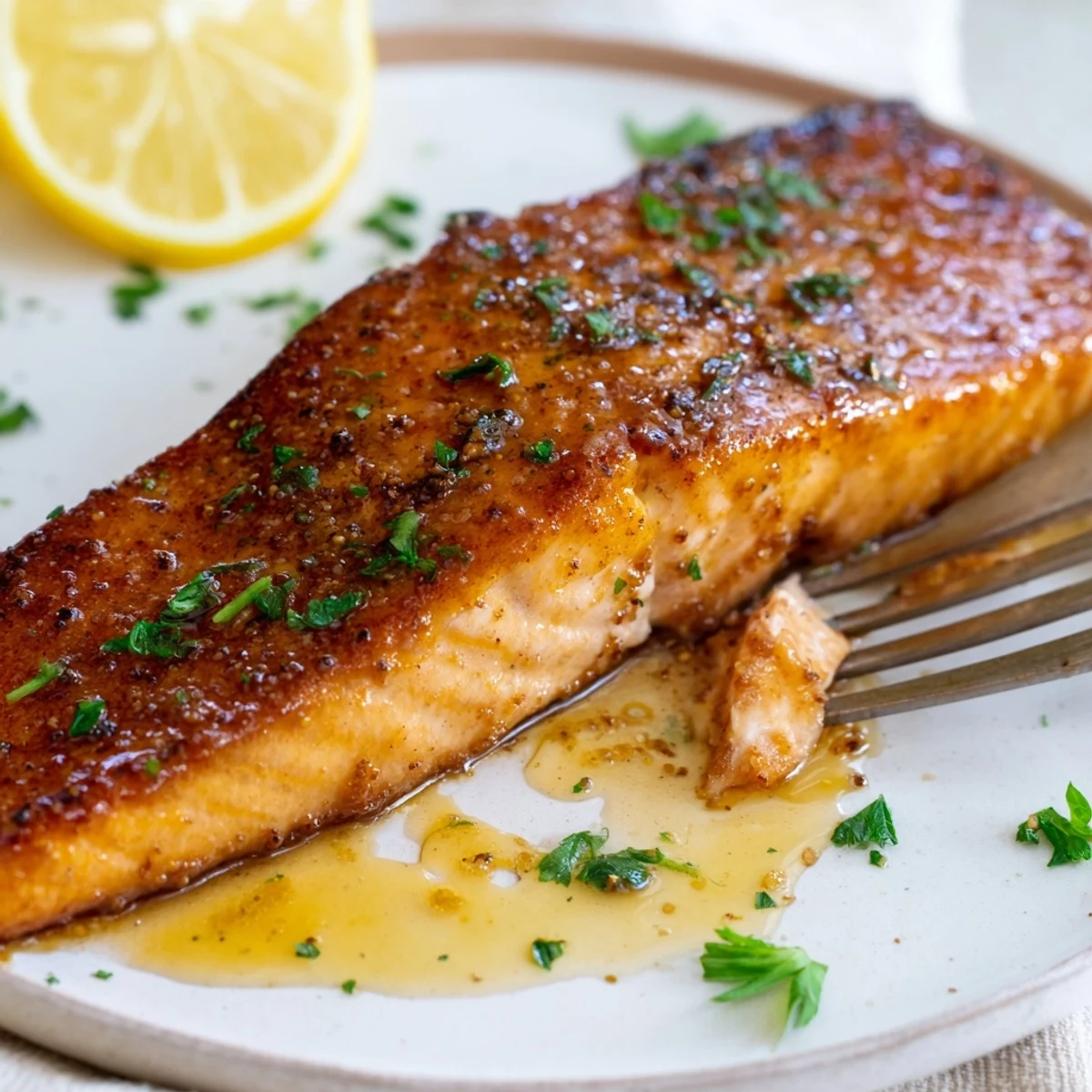
 Salmon fillets are patted dry, brushed with olive oil and rubbed with a smoky Cajun spice blend, then baked at 200°C (400°F). Half of a honey, lemon and butter glaze is spooned over the fish before baking; the rest is added and the fillets are broiled briefly to caramelize. Ready in about 25 minutes — serve with rice, grains or a crisp green salad.
When the kitchen fills with the scent of Cajun spices mingling with warm honey, I know dinner is about to steal the show. There was a night smack in the middle of the workweek when I needed something bold but easy, and this salmon was my secret weapon. The sizzle as the fillets hit the pan was enough to draw curious faces into the kitchen. Some recipes are busywork—this one begs you to slow down and savor each step.
The first time I cooked this for friends, one of them insisted on sitting on the counter, feet swinging, just so they wouldn't miss a second. We laughed about how the glaze gets everywhere and tastes even better scraped from the pan. At some point, we realized nobody had even touched their phones because all attention was on the food. That's how I knew this recipe was a keeper.
Ingredients
- Salmon fillets: Using skin-on keeps the fish moist and adds great texture; drying the surface helps the spices stick.
- Smoked paprika: Adds a touch of smokiness — I always sniff it before using because the aroma alone sets the mood.
- Garlic and onion powder: Building the savory foundation; don't skimp, they bring depth without overpowering.
- Dried thyme & oregano: These herbs add Southern warmth; I crush them with my fingers for extra fragrance before mixing in.
- Cayenne pepper: Control the heat to your liking, but a little goes a long way for the signature kick.
- Salt and black pepper: Round out the spice mix — freshly cracked pepper gives it real punch.
- Honey: This is what transforms the dish with its sticky sweetness; try to use a floral, runny honey for easier glazing.
- Lemon juice: I always roll the lemon before juicing it to get every last drop, and the citrus cuts through the richness.
- Unsalted butter: Melting it for the glaze makes everything glossy; dairy-free butter works just as well if needed.
- Olive oil: A little brushed on the fillets ensures crisp edges and helps the spices bloom.
- Parsley & lemon wedges (optional): Fresh parsley and lemon brighten up the plate — I always reach for them if I have some on hand.
Instructions
- Get ready:
- Preheat your oven to 200°C (400°F) and line a baking sheet with parchment or some olive oil so cleanup is painless.
- Blend your spice magic:
- In a small bowl, stir together all the Cajun spices until richly colored, giving it a quick nose test for balance.
- Prep the salmon:
- Pat the salmon dry, brush them with oil, then coat every inch with the spicy rub — don&apost be afraid of making a bit of a mess, it&apost worth every bit.
- Place and arrange:
- Set the fillets skin-side down with enough room between each on the baking sheet to let the heat circulate.
- Mix up the glaze:
- Whisk honey, lemon juice, and melted butter until smooth and tempting to taste, then resist the urge to taste-test more than once.
- First layer of glaze:
- Spoon half the glaze generously over the spiced salmon, letting it soak in.
- Bake it right:
- Bake for 10-12 minutes, checking when the edges just begin to flake with a fork and the top looks glossy but not dry.
- Caramelize:
- Brush with the rest of the honey glaze, then broil a minute or two until the glaze bubbles and caramelizes — watch closely, as it happens fast.
- Finishing touch:
- Scatter parsley and serve with lemon wedges; the zingy garnish pulls everything together.
 Pin it
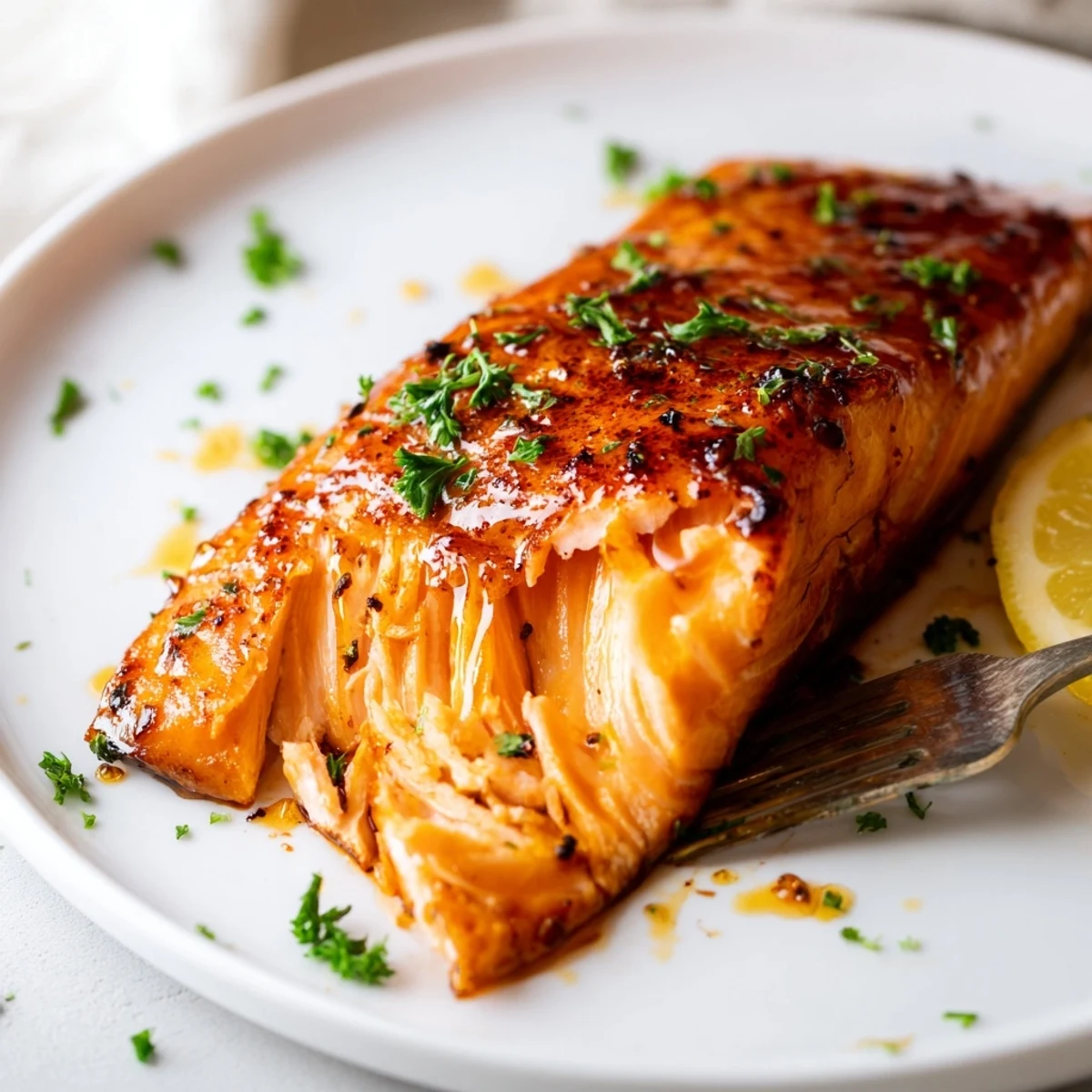
 I served this once at a hurried weeknight dinner, and everyone slowed down to savor it between bites. For a moment, we were all just quiet, focused on the smoky-sweet forkfuls — proof that great food turns simple evenings into something memorable.
How to Swap Out the Heat
If spicy isn't the table's favorite, I sometimes cut the cayenne in half, or swap in a little smoked chili powder instead. It keeps all the flavor, less of the fire, and the honey still finds a way to shine.
Pairings that Make a Meal
I learned serving the salmon with rice or quinoa helps soak up any glaze that slips onto the plate, making every forkful count. A crisp green salad with vinaigrette brings balance and refreshment on the side, perfect when the dish is piping hot.
Make-Ahead and Leftover Ideas
Leftovers never last long, but if they do, the salmon works beautifully flaked into salads or tossed in wraps. The glaze reawakens with a quick warm in the microwave. Just be gentle when reheating so it stays moist, not dry.
- Salmon is best fresh out of the oven but still good cold in a lunchbox.
- Squeeze a little fresh lemon right before serving to revive flavors.
- Brush the glaze along the grain of the fish for even coverage.
 Pin it
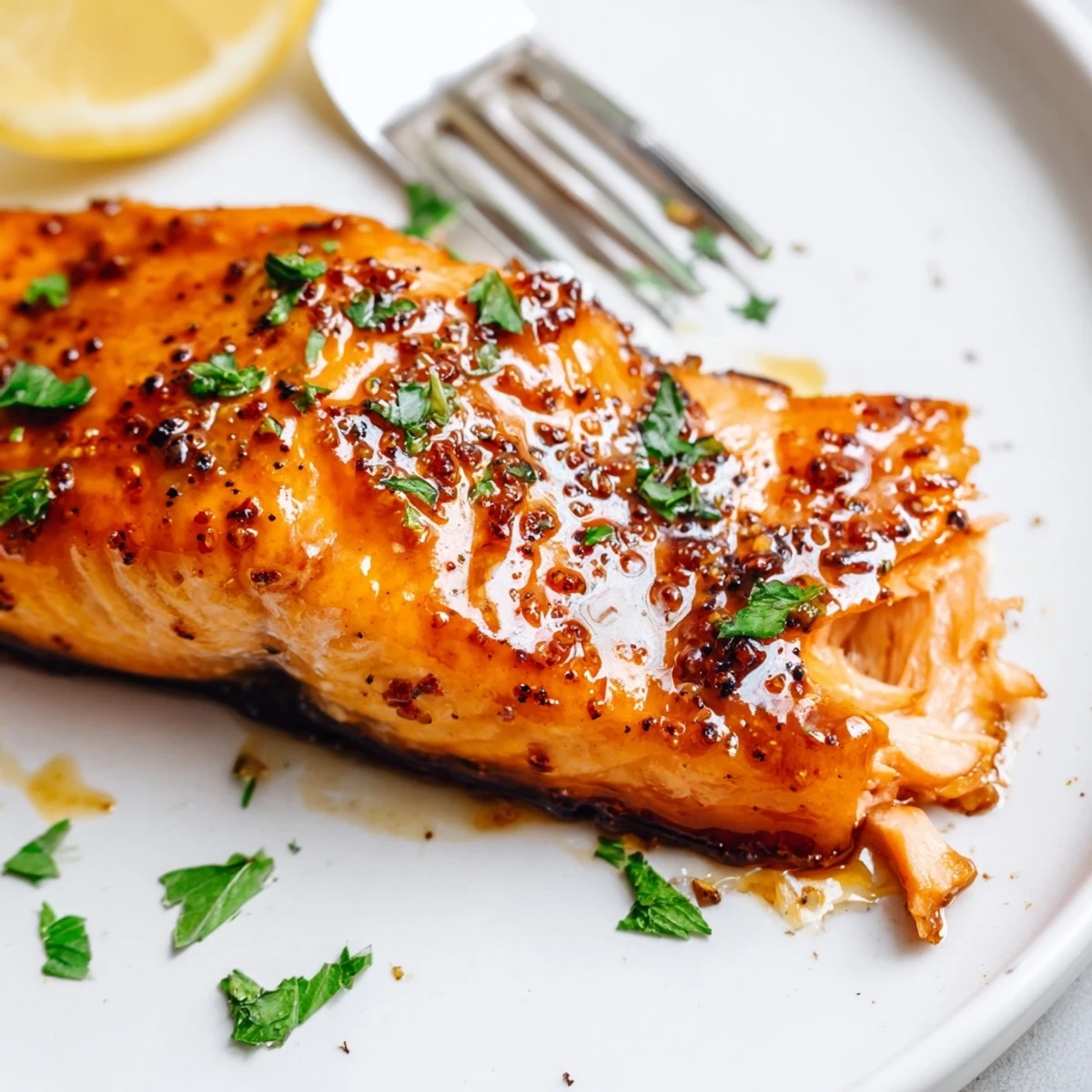
 This salmon has turned worknight blues into something worth celebrating for me more times than I can count. Here&apost hoping these kitchen moments spark something delicious for you, too.
Recipe Q&A
- → Can I use salmon skin-on or skinless?
-
Both work well. Skin-on helps hold the fillet together during cooking and crisps nicely under the broiler; skinless will cook a bit faster and makes portioning easier.
- → How can I adjust the heat level?
-
Reduce or omit the cayenne for milder heat, or increase it for a spicier finish. You can also add extra smoked paprika for warmth without too much heat.
- → Is broiling necessary?
-
Broiling is optional but recommended: it caramelizes the honey glaze for color and a sticky finish. If you skip broiling, bake a couple of minutes longer for a similar result.
- → What can I substitute for honey?
-
Maple syrup makes a great swap for a deeper, less floral sweetness. Agave works for a vegan option, and reduces similarly during broiling.
- → Can this be grilled instead of baked?
-
Yes. Grill over medium-high heat, glaze near the end to avoid burning, and close the lid briefly to help the glaze set. Watch closely as grilling cooks faster than baking.
- → How should leftovers be stored and reheated?
-
Cool to room temperature, then refrigerate in an airtight container for up to 2 days. Reheat gently in a low oven (150–160°C / 300–325°F) or in a skillet to preserve moisture and avoid drying out.