
 Pin it
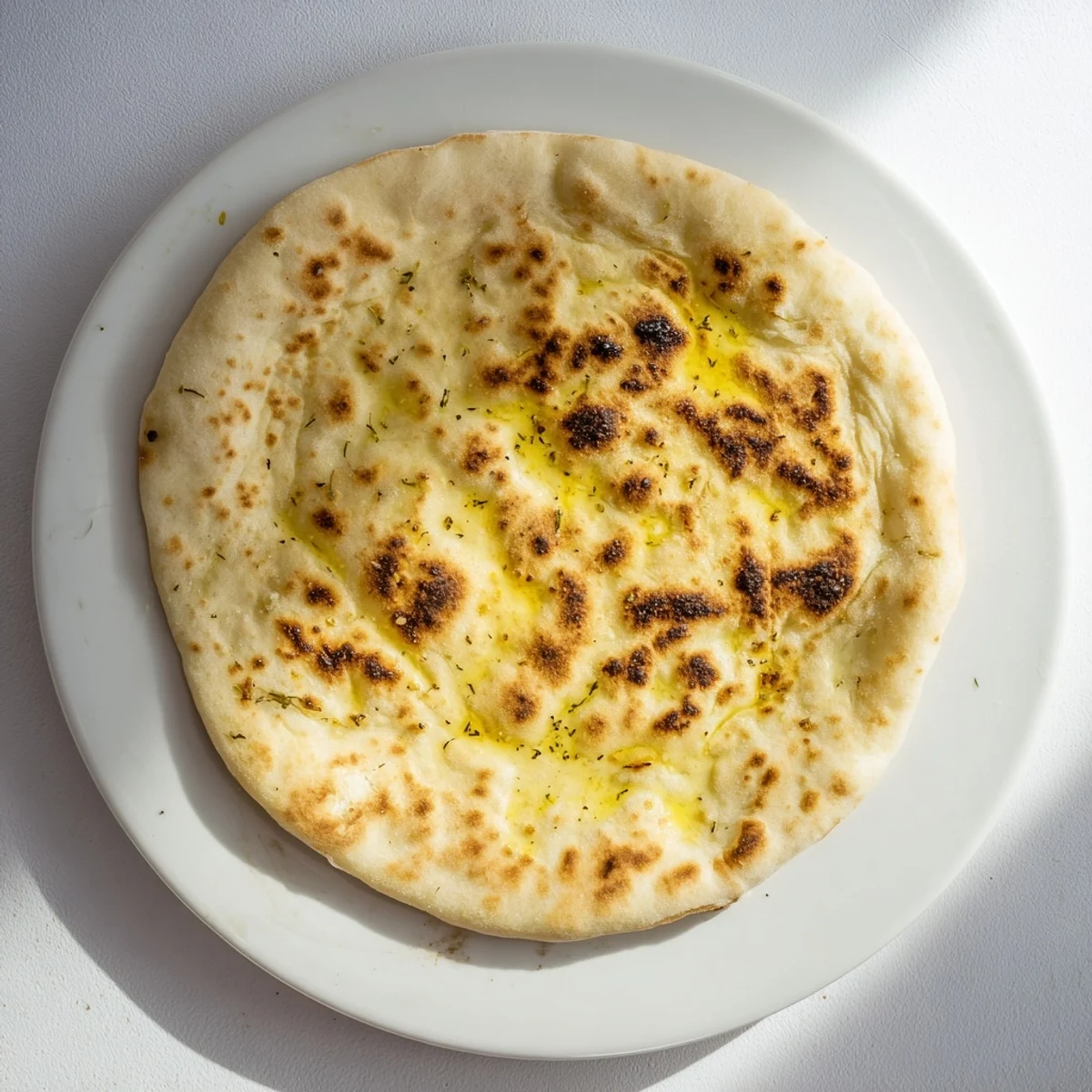
 Master the art of authentic Turkish Bazlama, a traditional flatbread prized for its soft, pillowy interior and beautifully golden, slightly chewy exterior. This versatile bread requires just pantry staples and creates the perfect vessel for dips, cheeses, or as a warm wrap for your favorite fillings.
The dough comes together quickly with a simple rise, then cooks in minutes on a hot skillet. The secret ingredient? Plain yogurt adds tenderness and subtle tang, while the high-heat cooking method creates those signature air pockets and golden spots that make Bazlama irresistible.
Perfect served fresh from the pan, brushed with olive oil or melted butter, these flatbreads stay wonderfully soft under a kitchen towel. They freeze beautifully too, so you can always have homemade Turkish bread ready for spontaneous meze spreads or quick weekday meals.
The smell of fresh bread hitting a hot skillet has stopped me in my tracks more times than I can count. I first encountered bazlama at my friend Ayse's apartment in Istanbul, where she taught me that the best breads often need just flour, yogurt, and patience. That afternoon, we burned our fingertips tearing into warm rounds, dipping them in olive oil and herbs between laughter and stories. Now my kitchen fills with that same irresistible aroma whenever I need a little comfort.
Last winter, during a snowed-in weekend with my sister, we made eighteen bazlamas between us. We stood by the stove, taking turns flipping and brushing them with butter, eating them faster than we could cook. She texted me the next day asking for the recipe, claiming her family had never devoured bread so enthusiastically. That's when I knew this recipe was something special.
Ingredients
- 500 g all-purpose flour: Plain flour works perfectly here, but bread flour will give you a slightly chewier texture if you prefer it
- 7 g instant dry yeast: One standard envelope, no need to proof beforehand unless you want to be extra certain it's alive
- 1½ teaspoons sugar: Just enough to wake up the yeast and add a hint of sweetness to the finished bread
- 1 teaspoon salt: Essential for flavor, don't be tempted to reduce this
- 300 ml lukewarm water: Think bathwater temperature, hot but not uncomfortable to touch
- 125 g plain yogurt: Room temperature yogurt incorporates better and adds that characteristic tang and tenderness
- Olive oil or melted butter: For brushing the warm breads, though they're delicious plain too
Instructions
- Wake up the yeast:
- Combine the lukewarm water, yeast, and sugar in a large bowl, then walk away for 5 to 10 minutes until you see foam forming on top
- Add the yogurt:
- Pour in the room temperature yogurt and stir until everything is blended and milky-looking
- Build the dough:
- Gradually add the flour and salt, mixing until you have a sticky, shaggy dough that holds together
- Knead until smooth:
- Work the dough for about 10 minutes by hand or with a mixer until it feels silky and bounces back when pressed
- Let it rise:
- Cover the bowl with a damp cloth and find the warmest spot in your kitchen for about an hour, until the dough has doubled in size
- Divide and shape:
- Punch down the dough gently, turn it onto a floured surface, and cut it into 8 equal pieces before rolling each into a smooth ball
- Roll them out:
- Flatten each ball and roll to about 15 centimeters across and 8 millimeters thick, keeping the others covered so they don't dry out
- Heat your pan:
- Get a nonstick skillet or cast iron screaming hot over medium-high heat, with no oil needed in the pan
- Cook to golden:
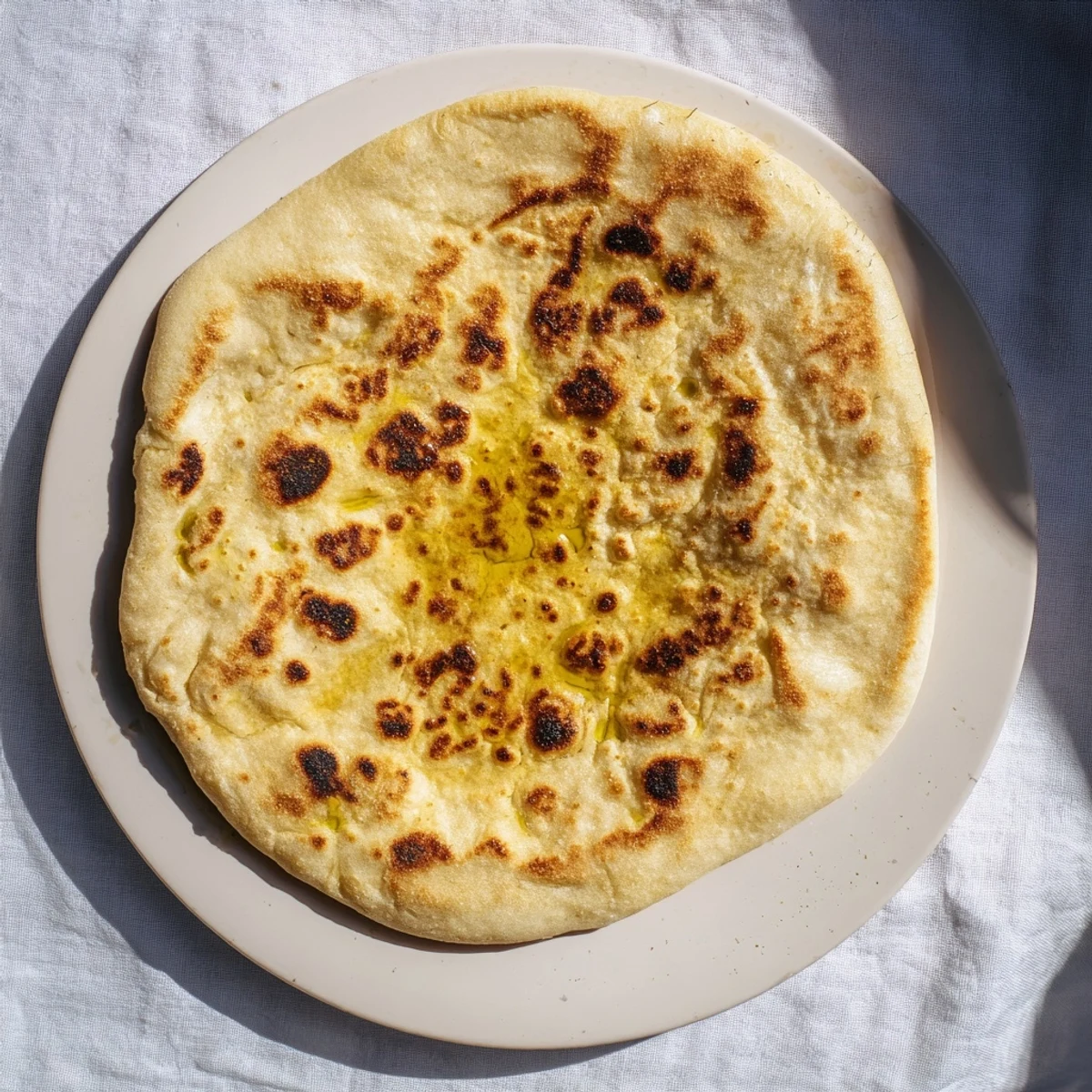
- Lay in a flatbread and cook for 2 to 3 minutes until it puffs up beautifully and gets golden spots, then flip for just 1 to 2 minutes more
- Keep them warm:
- Brush with olive oil or butter if you like, then stack under a clean kitchen towel while you cook the rest
 Pin it
 My daughter now requests these for her birthday dinner every year. She pulls the warm bread apart with her hands, the way she's seen me do, and says it tastes like a hug. Some recipes feed you, but this one feels like it's taking care of you.
Making Them Ahead
You can mix the dough in the morning and let it rise slowly in the refrigerator all day. The longer, colder fermentation actually develops more flavor, and you'll come home to dough that's ready to roll and cook. Just bring it to room temperature for about 30 minutes before shaping.
Serving Ideas
These breads are endlessly versatile and deserve more than just butter. I love them wrapped around grilled vegetables with crumbled feta, or torn and dipped into spiced lentil soup. They're also perfect for scooping up thick yogurt seasoned with garlic and dried mint.
Freezing For Later
Cooked bazlamas freeze surprisingly well, which means you can double the batch and always have fresh bread on hand. Let them cool completely, stack with parchment paper between each one, and wrap tightly.
- Reheat frozen breads directly in a hot skillet for about 30 seconds per side
- A quick pass in the toaster works in a pinch
- They'll keep in the freezer for up to two months
 Pin it
 There's something profoundly satisfying about making your own bread, especially one that comes together this quickly. Warm bread has a way of making any meal feel like a celebration.
Recipe Q&A
- → What makes Bazlama different from other flatbreads?
-
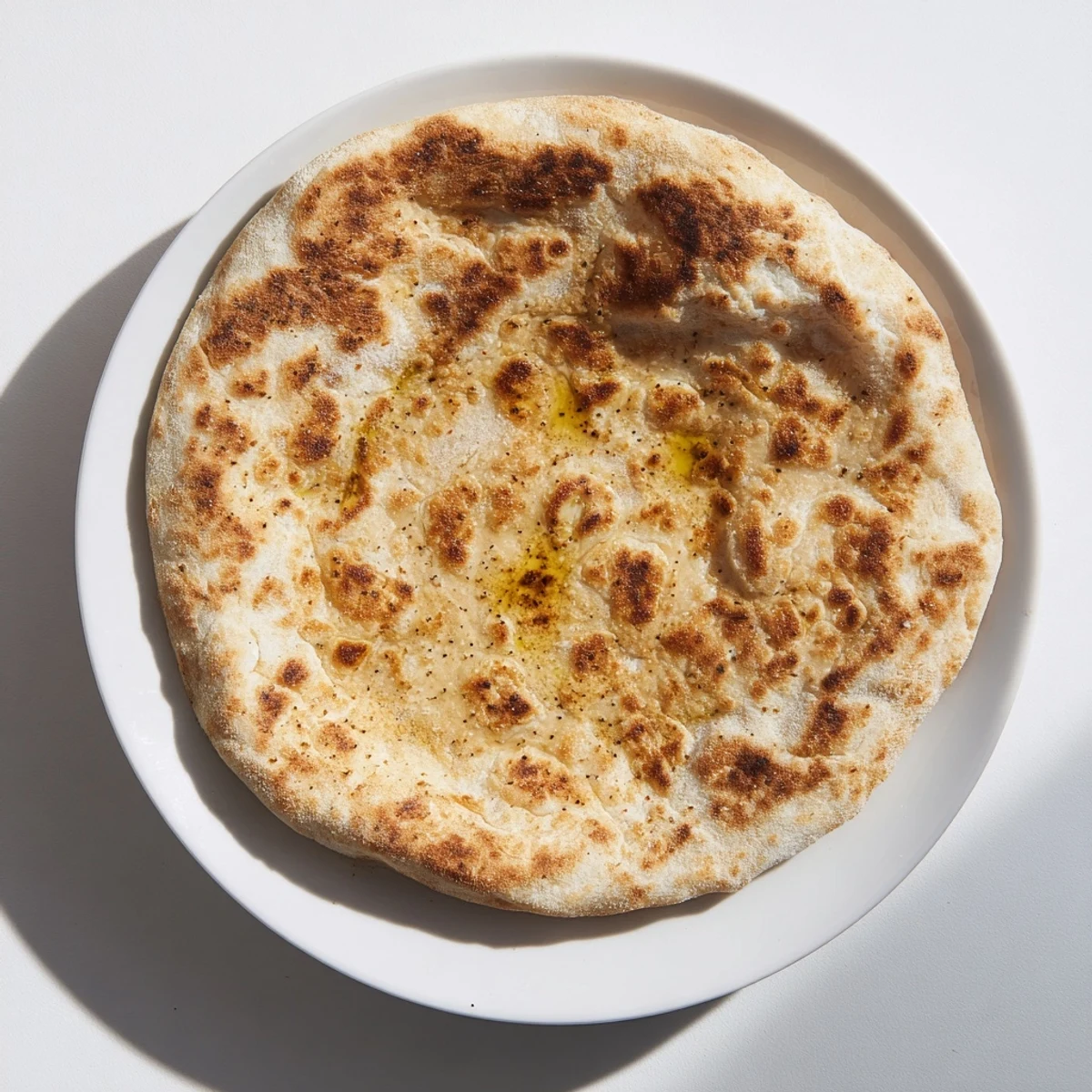
Bazlama stands out for its pillowy, cloud-like texture achieved through yogurt enrichment and a single rise. The dough puffs dramatically on the skillet, creating air pockets that make the interior exceptionally tender while developing a golden, slightly chewy crust that's perfect for dipping.
- → Can I make Bazlama without yogurt?
-
While yogurt contributes to the traditional texture and subtle tang, you can substitute with an equal amount of warm water or milk. The bread may be slightly less tender, but still delicious. For vegan versions, plant-based yogurt works well too.
- → How do I store and reheat Bazlama?
-
Keep cooked flatbreads wrapped in a clean kitchen towel at room temperature for up to 2 days, maintaining softness. For longer storage, freeze individually wrapped for up to 2 months. Reheat directly from frozen in a hot skillet for 1-2 minutes per side.
- → Why didn't my dough double in size?
-
This usually means the yeast wasn't activated properly or the rising spot was too cool. Ensure your water is lukewarm (not hot) when blooming yeast, and find a warm, draft-free area. An oven with just the light on creates an ideal rising environment.
- → Can I cook Bazlama on an outdoor grill?
-
Absolutely! Preheat your grill to medium-high and cook the dough directly on the grates. The smoky flavor from the grill adds wonderful depth to the bread. Cook 2-3 minutes per side, watching carefully to prevent burning.
- → What should I serve with Bazlama?
-
Bazlama pairs beautifully with hummus, tzatziki, baba ganoush, or any dip. Use it as a wrap for grilled meats and vegetables, tear pieces for meze platters, or simply enjoy warm with salted butter and herbs. Its versatility makes it perfect for any meal.