
 Pin it
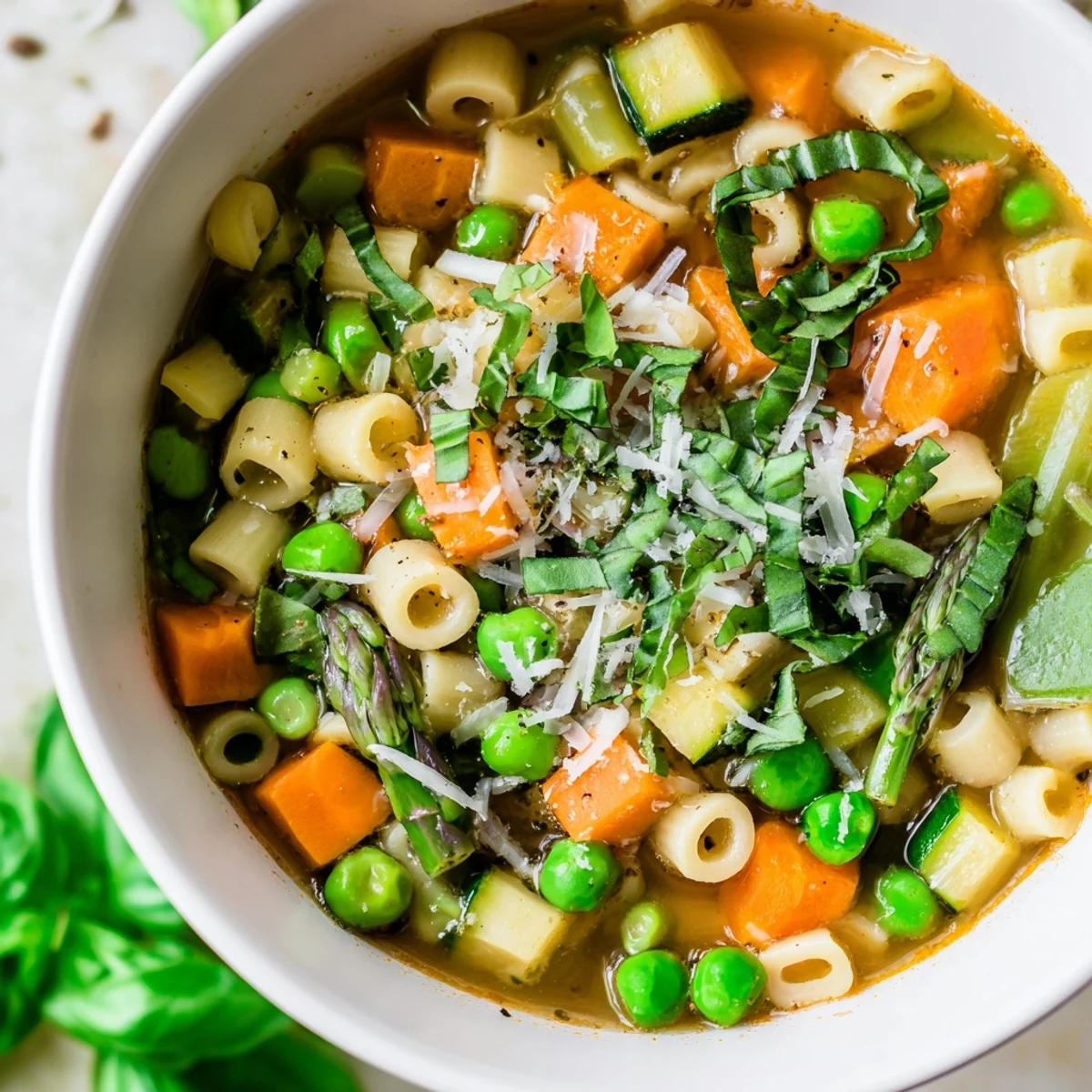
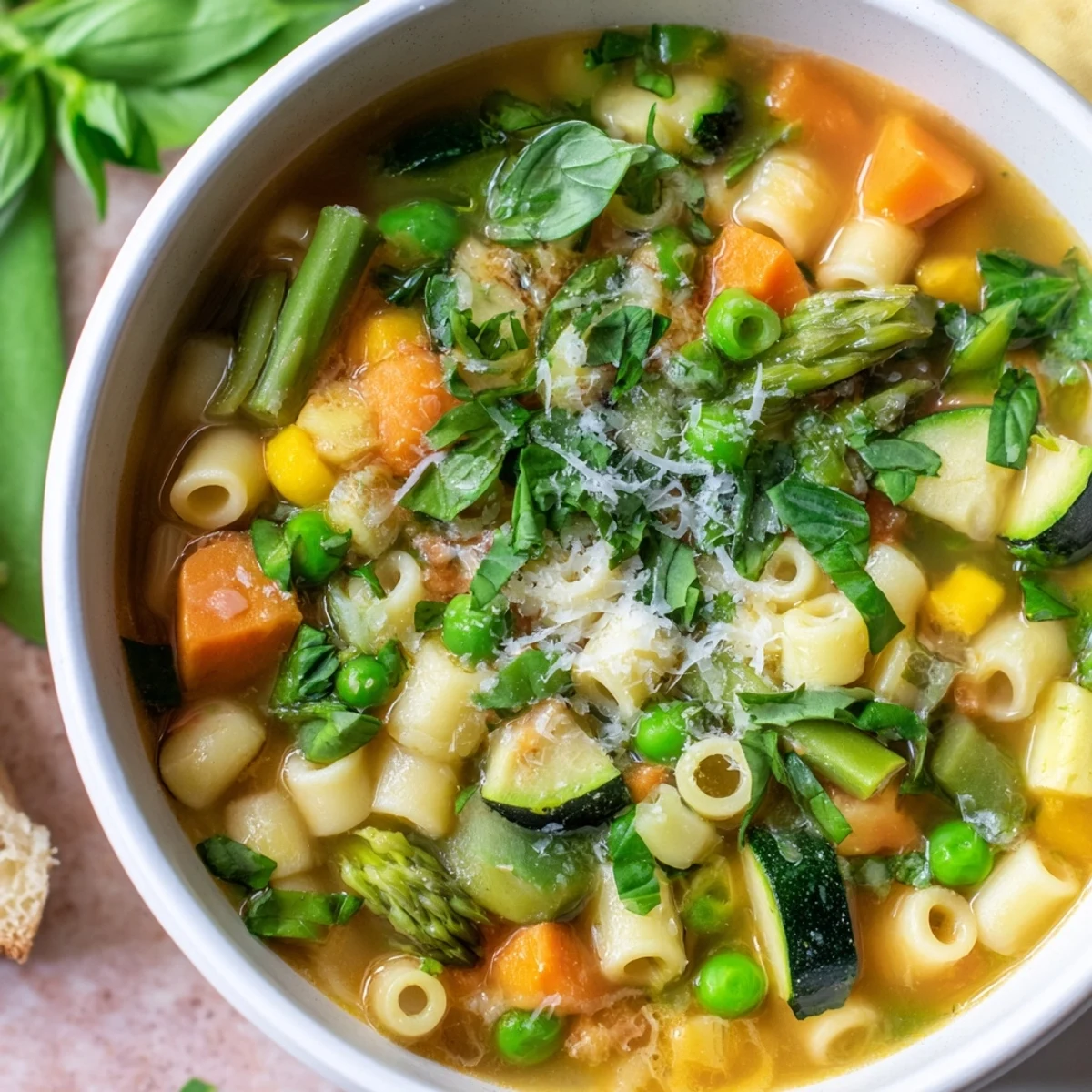
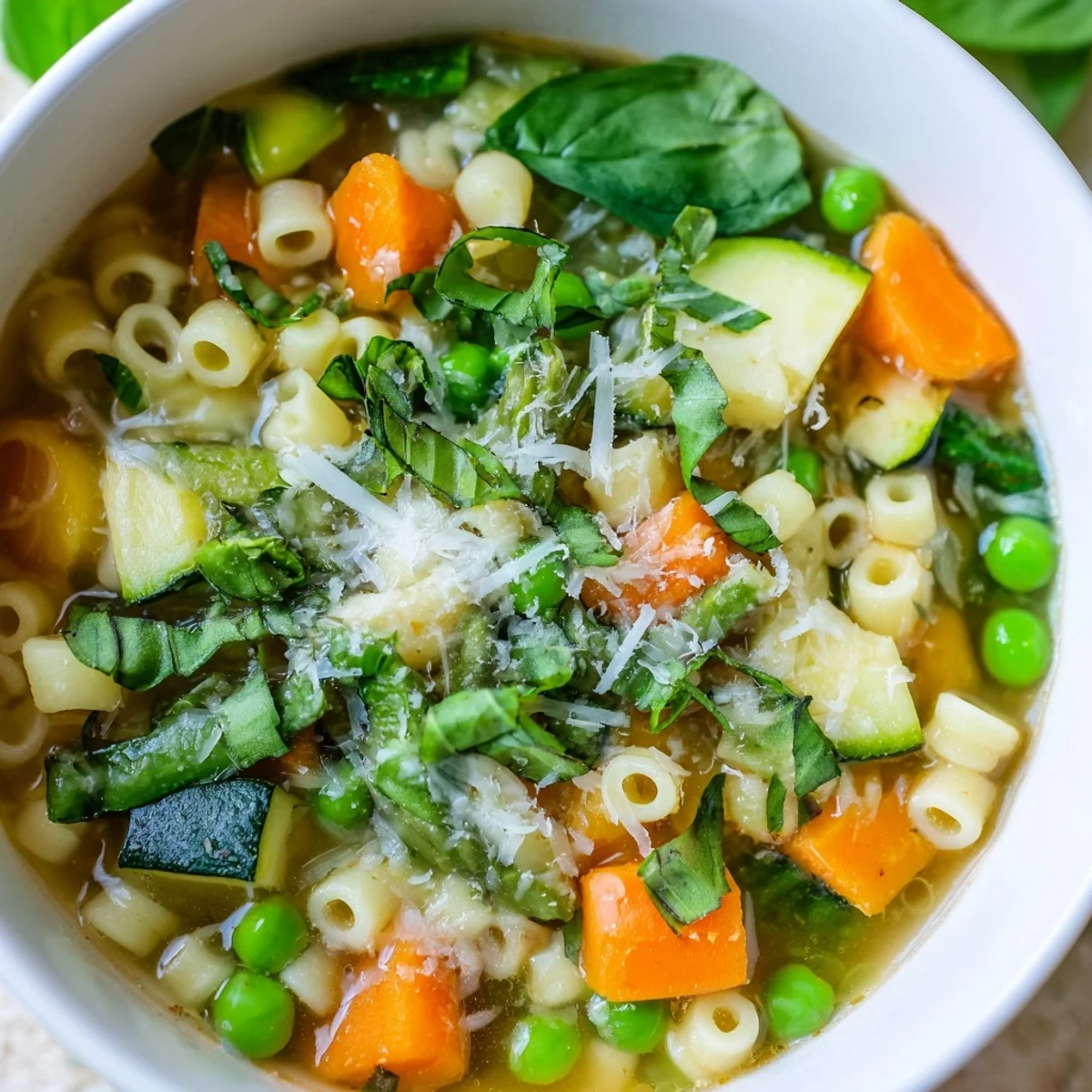
 This vibrant spring minestrone combines tender pasta with fresh seasonal vegetables including asparagus, peas, zucchini, and baby spinach. Aromatic herbs like thyme, basil, and parsley infuse the light vegetable broth with depth, while a splash of lemon juice brightens each bowl.
The soup comes together in just 45 minutes, making it perfect for weeknight dinners or meal prep. The pasta cooks directly in the broth, absorbing flavor as it simmers. Finished with fresh herbs and optional Parmesan, this Italian classic celebrates the best of spring produce.
Customize with whatever vegetables are in season—green beans, fava beans, or artichoke hearts work beautifully. Leftovers keep well for up to three days, though you may need to add extra broth when reheating as the pasta will continue to absorb liquid.
Last April, my neighbor Helen dropped off a basket of asparagus and peas from her garden, claiming she had more than she could handle. I stood there with this overwhelming bounty of spring vegetables, not wanting to waste a single precious pod. That afternoon, this soup was born entirely from what she had given me plus some pantry staples.
My youngest daughter usually turns her nose up at anything green, but something about the tiny pasta shells swimming in this broth won her over completely. She actually asked for seconds, which has never happened with any vegetable soup I have ever made. Now she requests this whenever the weather starts to turn warm.
Ingredients
- 1 tablespoon olive oil: Creates the foundation for sauteing all those lovely vegetables
- 1 medium leek, white and light green parts only, thinly sliced: Leeks have such a gentle onion flavor that really shines here
- 2 garlic cloves, minced: Fresh garlic makes all the difference in building depth
- 2 medium carrots, diced: Adds sweetness and that classic soup base flavor
- 1 medium zucchini, diced: Absorbs all the herbs and becomes incredibly tender
- 1 cup (150 g) asparagus, trimmed and cut into 1-inch pieces: The star of spring, adding that fresh grassy note
- 1 cup (150 g) fresh or frozen peas: Little bursts of sweetness throughout every spoonful
- 1 cup (120 g) baby spinach leaves: Wilts beautifully into the broth at the very end
- 5 cups (1.2 L) low-sodium vegetable broth: Use a good quality one you actually enjoy drinking
- 1 (14 oz/400 g) can diced tomatoes, drained: Adds body and a touch of acidity
- 2/3 cup (80 g) small pasta: Ditalini or small shells work perfectly here
- 1 teaspoon dried thyme: Earthy and floral, it pairs beautifully with spring vegetables
- 1 teaspoon dried basil: Classic Italian herb that brightens everything
- Salt and freshly ground black pepper, to taste: Season generously but taste as you go
- 2 tablespoons fresh parsley, chopped: Adds freshness and color at the end
- 2 tablespoons fresh basil, thinly sliced: Fresh basil has a completely different magic than dried
- Juice of 1/2 lemon: The secret ingredient that makes everything sing
Instructions
- Build your flavor foundation:
- Heat olive oil in a large pot over medium heat. Add the leek and cook for 3 minutes, stirring occasionally, until softened and fragrant.
- Add the aromatics:
- Stir in garlic and cook for just 1 minute until it becomes fragrant. Toss in carrots and let them cook for 2 minutes to start softening.
- Bring in the spring vegetables:
- Add zucchini, asparagus, and peas. Cook for 2 more minutes, stirring, so everything gets coated in those flavorful oils.
- Create the soup base:
- Pour in vegetable broth and drained diced tomatoes. Increase heat to bring everything to a gentle boil, letting the flavors start mingling.
- Cook the pasta:
- Add pasta, dried thyme, and dried basil. Reduce heat to a simmer and cook, uncovered, for 8 to 10 minutes until pasta is al dente and vegetables are tender.
- Finish with fresh touches:
- Stir in baby spinach, fresh parsley, fresh basil, and lemon juice. Cook for 1 to 2 minutes until spinach just wilts.
- Season and serve:
- Taste and add salt and pepper as needed. Ladle into bowls and top with grated Parmesan and a drizzle of olive oil if you like.
 Pin it
 This soup has become my go-to when I need to feel hopeful about the season changing. Something about all those green vegetables swimming together makes everything feel possible again.
Making It Your Own
I have made this soup so many ways depending on what I find at the farmers market. Green beans work beautifully instead of asparagus, and fava beans add an incredible buttery texture when they are in season. Once I even added some diced artichoke hearts and it felt fancy enough for a dinner party.
The Pasta Secret
Small pasta shapes really are best here because they fit on the spoon with all the vegetables. I once used orzo and while it was delicious, it made the soup almost like a risotto texture which was not quite what I was going for. Ditalini or those tiny shells are perfect because they have little crevices that hold onto the broth.
Perfect Timing
Learning when to add each vegetable made such a difference in how this soup turns out. The harder vegetables go in first, then the tender ones, and finally the delicate greens at the very end.
- Add spinach last so it keeps its vibrant green color
- Taste your broth before adding much salt since brands vary
- The soup is even better the next day if you can wait
 Pin it
 There is something so restorative about a bowl of this soup when spring finally arrives after a long winter. It tastes like new beginnings.
Recipe Q&A
- → What vegetables work best in spring minestrone?
-
Asparagus, peas, zucchini, leeks, and carrots are ideal for spring minestrone. You can also add green beans, fava beans, or artichoke hearts when in season. The key is using tender, quick-cooking vegetables that complement the light broth.
- → Can I make this soup gluten-free?
-
Yes, simply substitute gluten-free pasta for the traditional wheat pasta. All other ingredients are naturally gluten-free, including the vegetable broth, vegetables, and herbs.
- → How do I prevent the pasta from getting mushy?
-
Cook the pasta directly in the simmering broth until just al dente, about 8-10 minutes. The pasta will continue to soften as it sits in the hot liquid, so slightly undercook it if making ahead. Add extra broth when reheating leftovers.
- → Is this minestrone freezer-friendly?
-
While the soup freezes well, the pasta texture may change slightly after freezing. For best results, freeze the vegetable broth base without pasta, then cook fresh pasta when reheating. If freezing already prepared soup, consume within 1-2 months.
- → What's the purpose of adding lemon juice at the end?
-
Fresh lemon juice brightens the flavors and balances the sweetness of the vegetables. It adds a subtle acidity that enhances the herbal notes and makes each spoonful taste more vibrant. Add it just before serving to preserve its fresh flavor.
- → Can I use dried herbs instead of fresh?
-
You can substitute dried herbs for the fresh parsley and basil, but use about one-third the amount since dried herbs are more concentrated. The thyme and basil called for in the cooking liquid are already dried. Fresh herbs added at the end provide the brightest flavor.