
 Pin it
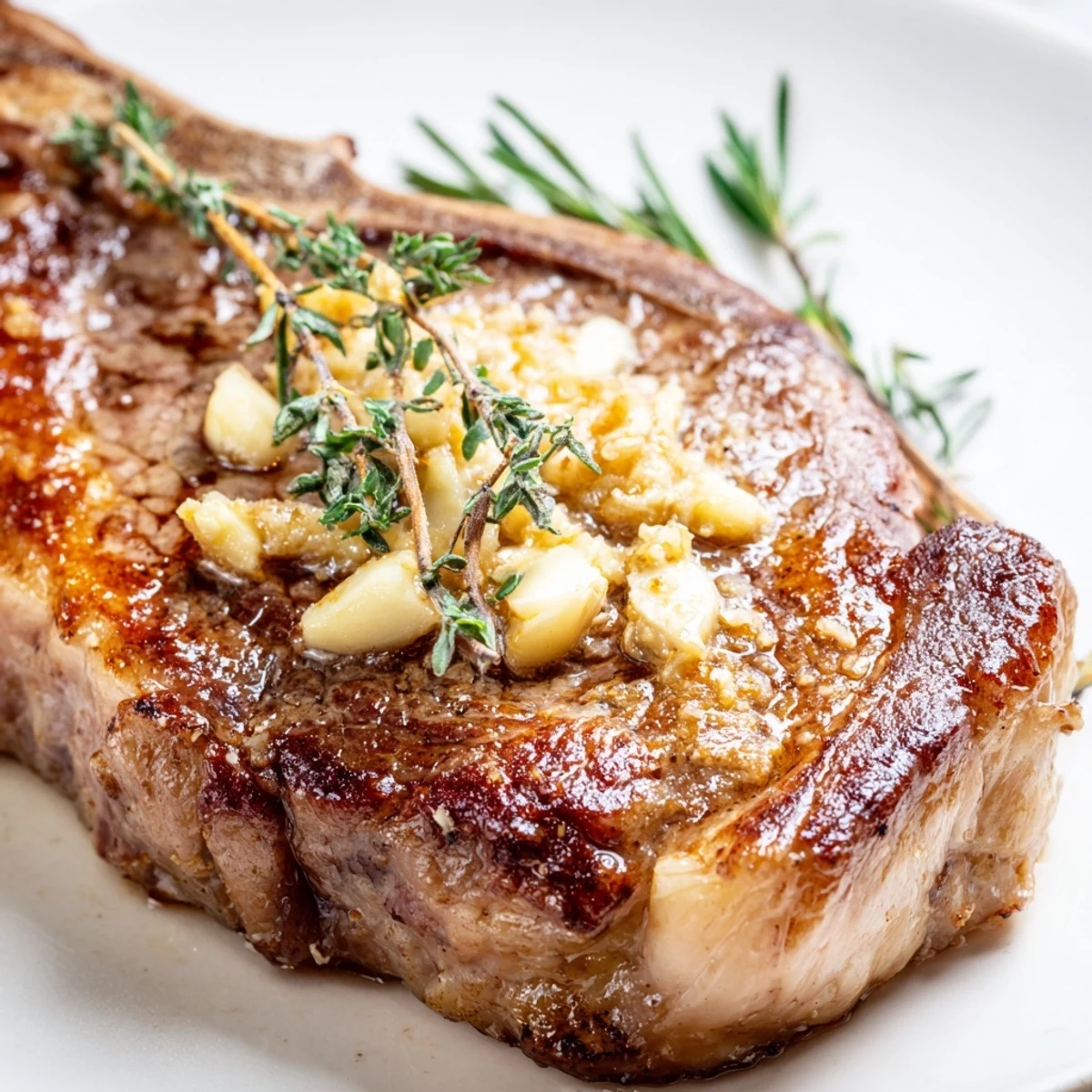
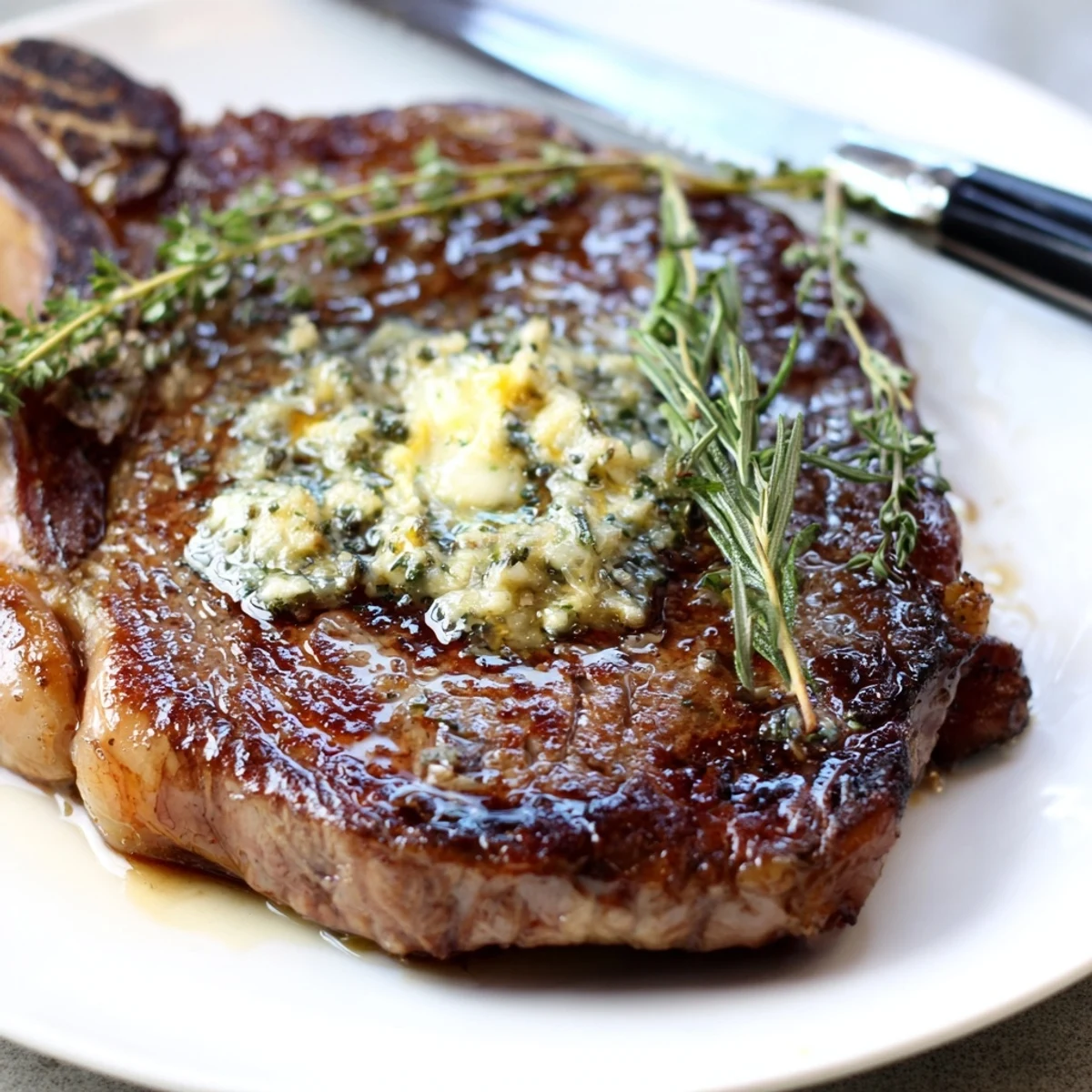
 This ribeye delivers restaurant-quality results with a beautifully caramelized exterior and tender, juicy interior. The high-heat searing creates that coveted crust while the garlic butter baste infuses rich, aromatic flavor throughout. Quick enough for weeknight dinners yet impressive enough for entertaining.
My dad had this rule about steaks that took me years to understand. He said if you cannot smell the meat hitting the pan from another room, you are doing it wrong. Now whenever I make ribeye, I wait for that sizzle loud enough to make the cat jump off the counter.
Last summer I made these for my neighbor who swore she only liked well-done steak. She watched me baste with butter and herbs, then took one bite of medium-rare and actually texted her husband to say she had been wrong about steak for thirty years.
Ingredients
- Ribeye steaks: Room temperature meat cooks evenly, so pull them out at least thirty minutes before cooking
- Kosher salt and black pepper: Be generous here because this is your only seasoning for the meat itself
- Unsalted butter: We need two tablespoons for that luxurious basting finish at the end
- Garlic cloves: Smashed cloves release more flavor into the butter than minced ones
- Fresh thyme and rosemary: Woody herbs stand up to the high heat better than delicate ones like basil
- High-heat oil: Canola or avocado oil will not burn when you sear at high temperatures
Instructions
- Prep your steaks:
- Pat both ribeyes completely dry with paper towels then season generously with salt and pepper on all sides
- Get the pan screaming hot:
- Heat your cast-iron skillet over high heat for about two minutes until you cannot hold your hand above it
- Add oil and sear:
- Pour in the oil, swirl to coat the pan bottom, then lay in the steaks without touching them for three to four minutes
- Flip and aromatics:
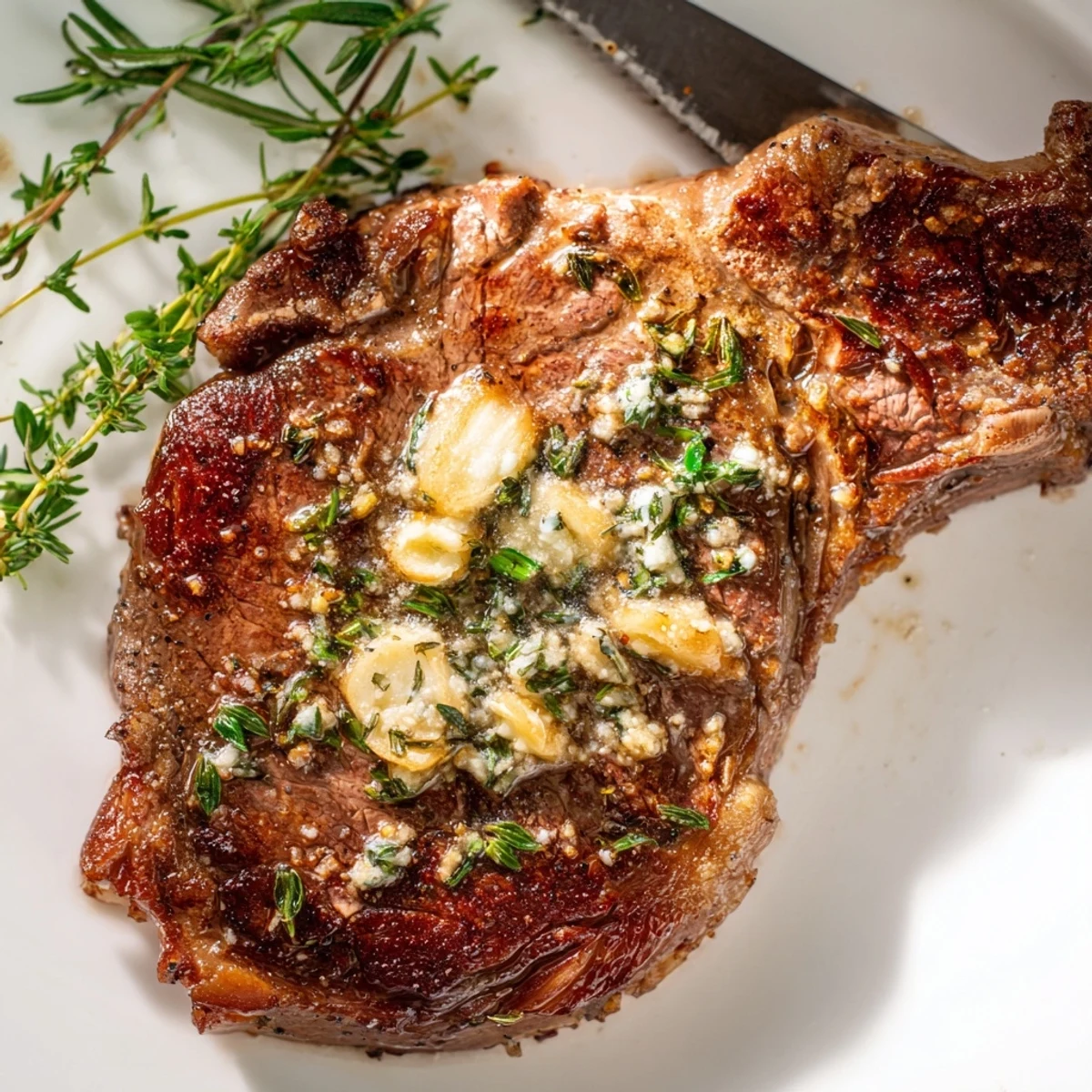
- Turn the steaks over, toss in the butter, smashed garlic, thyme, and rosemary
- Baste like a chef:
- Tilt the pan and spoon that melting herb butter over the meat continuously for two to three minutes until your thermometer reads 125°F for rare
- The waiting game:
- Move the steaks to a cutting board and walk away for five whole minutes before cutting into them
 Pin it
 My brother once came over hungry and tried to cut into his steak immediately after I pulled it from the pan. I literally had to physically block him with the spatula. He thanked me later when he tasted how juicy it was.
Choosing The Right Steak
I used to grab whatever ribeye was on sale until a butcher told me marbling is everything. Those white streaks of fat are not flaws, they are what makes the steak tender and flavorful. Now I look for even distribution throughout the meat rather than just one big fat cap on the edge.
Pan Selection Matters
My nonstick skillet failed me spectacularly the first time I attempted this recipe. The crust stuck, the butter burned, and I ended up with a mess. A cast-iron skillet holds heat differently and creates that restaurant-quality sear that other pans just cannot achieve.
Getting Doneness Right
I lived in fear of undercooked steak for years until I bought an instant-read thermometer. Now I never guess. Remember the steak keeps cooking while it rests, so pull it a few degrees early.
- Touch test: rare feels soft like the flesh between your thumb and index finger
- Medium-rare should have a slight bounce when you press the center
- Invest in that thermometer because steak is too expensive to ruin
 Pin it
 There is something deeply satisfying about cooking a perfect steak at home. Once you master this, you will wonder why you ever paid restaurant prices for something you can make better in your own kitchen.
Recipe Q&A
- → What temperature should ribeye be cooked to?
-
For optimal results, aim for 125°F (52°C) for rare or 135°F (57°C) for medium-rare. Use an instant-read thermometer to check doneness without cutting into the meat.
- → Why rest the steak after cooking?
-
Resting allows juices to redistribute evenly throughout the meat, ensuring maximum tenderness and preventing them from spilling out onto the cutting board when sliced.
- → Can I use a different pan?
-
A cast-iron skillet is ideal for achieving the best sear, but a heavy stainless steel pan will also work. Avoid non-stick pans as they cannot handle the high heat needed for proper caramelization.
- → How do I get the best crust?
-
Pat the meat very dry before seasoning, ensure your pan is properly heated, and resist the urge to move the steak during the initial sear. This allows the Maillard reaction to create that golden-brown crust.
- → What herbs work best?
-
Thyme and rosemary are classic choices that pair beautifully with beef. You can also add fresh sage or rosemary for variation. Hardy herbs withstand the high heat better than delicate ones like basil.