
 Pin it
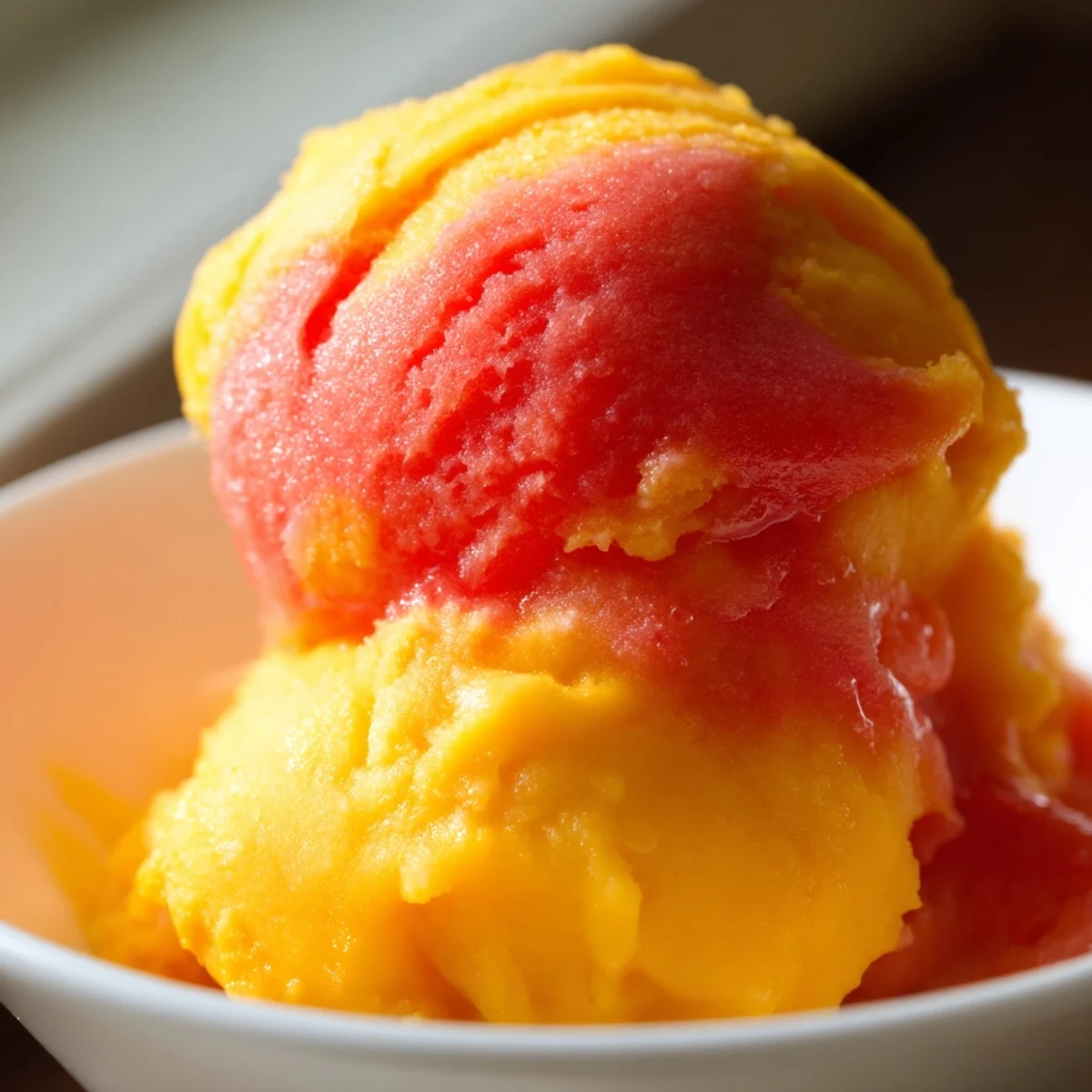
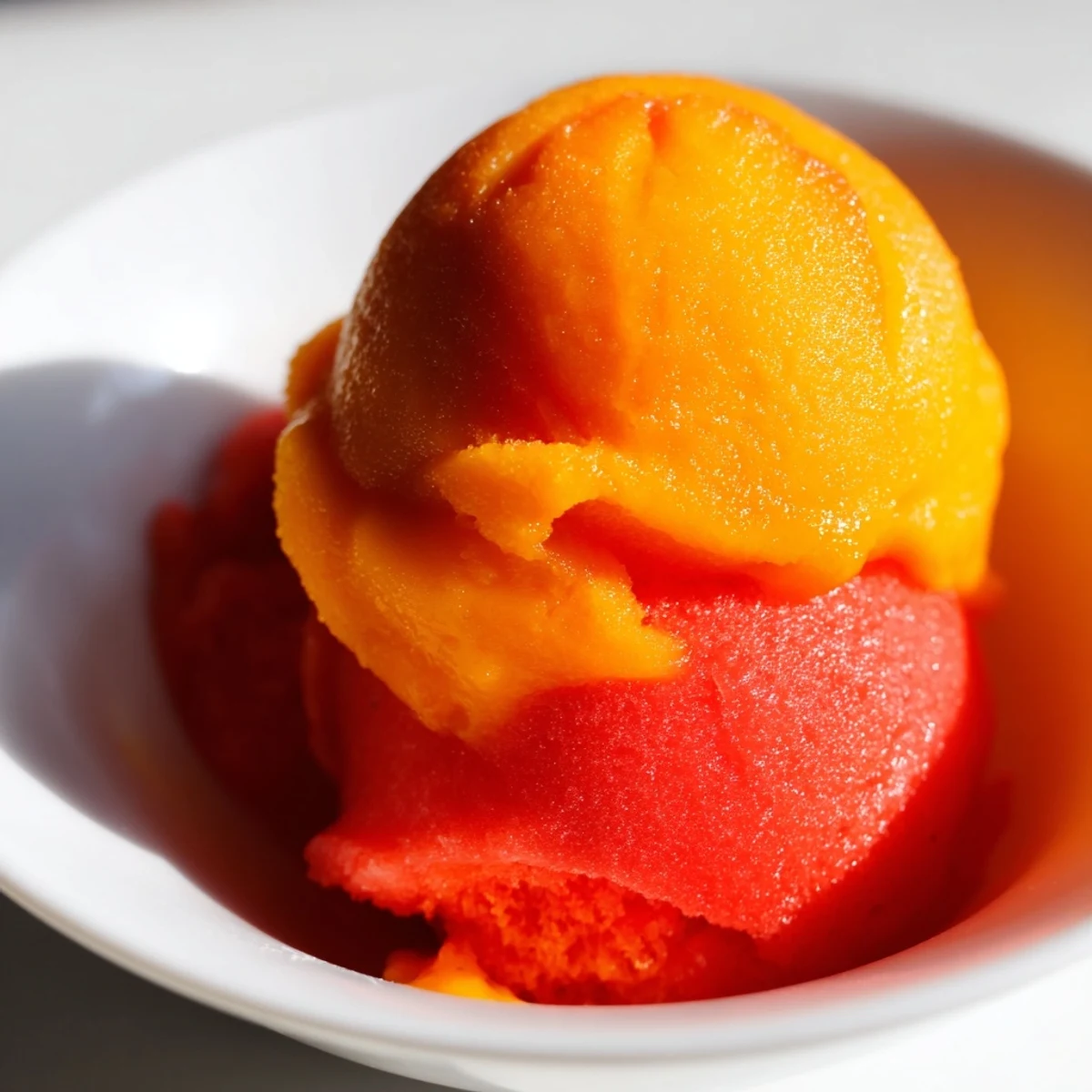
 This vibrant frozen dessert captures the essence of summer with perfectly ripe mangoes and juicy strawberries. The preparation is remarkably simple—just blend fresh fruits with a light simple syrup and a splash of lime to enhance the natural flavors.
The freezing process requires occasional stirring to achieve that signature smooth, scoopable texture without ice crystals. Each serving delivers an intensely fruity experience with only 110 calories, making it an ideal light finish to any meal or refreshing afternoon treat on hot days.
The summer our ancient air conditioner finally gave up, I spent weeks experimenting with frozen desserts that didn't require turning on the oven. This mango strawberry sorbet emerged from one particularly sweltering afternoon when I had too much ripe fruit and zero patience for complicated recipes. Now it's the first thing I make whenever the temperature climbs above ninety degrees.
Last July I served this at a backyard barbecue and watched my friend Sarah, who claims she doesn't like dessert, go back for thirds. There's something about the way the lime cuts through the sweetness that keeps everyone coming back. My kids now request it instead of ice cream.
Ingredients
- 2 large ripe mangoes: The sweetness of perfectly ripe mangoes is the backbone here, giving you that lush tropical base that carries everything else
- 1 cup ripe strawberries: These add a beautiful pink hue and tart brightness that keeps the sorbet from becoming cloyingly sweet
- ½ cup sugar: This amount balances the fruit's natural sweetness while keeping the texture smooth and scoopable
- ½ cup water: Creates the simple syrup base that ensures your sorbet doesn't turn into a solid fruit ice block
- 1 tablespoon fresh lime juice: The secret ingredient that makes all the flavors pop and tastes unexpectedly bright
Instructions
- Make the Simple Syrup:
- Combine the sugar and water in a small saucepan over gentle heat, stirring until the crystals completely dissolve into a clear liquid. Set this aside to cool completelyhot syrup would start cooking your fruit.
- Blend the Fruit:
- Add the mango chunks, strawberries, cooled syrup, and lime juice to your blender and process until the mixture is absolutely velvety smooth with no visible fruit pieces.
- Taste and Adjust:
- Give it a try and add a pinch more sugar or lime if it needs balancingthe flavor should be slightly more intense than you'd want since freezing dulls sweetness.
- Initial Freeze:
- Pour the mixture into a shallow containerthe wider the surface area, the faster it freezesand pop it into the freezer for exactly one hour.
- First Stir:
- Take the container out and vigorously mash and stir the mixture with a fork, breaking up any ice crystals forming around the edges.
- Repeat and Perfect:
- Continue stirring every 30 minutes for the next 2 to 3 hours until the texture becomes consistently smooth and firm throughout.
- Final Touch:
- Let it sit at room temperature for 5 to 10 minutes before scooping, making it perfectly soft and yielding.
 Pin it
 This recipe became my go-to after I served it at my sister's baby shower and the guests kept asking where I bought it. There's something so satisfying about transforming simple fruit into something that feels elegant and restaurant-worthy.
Making It Creamier
Sometimes I crave a texture closer to ice cream, and adding just 1 or 2 tablespoons of coconut cream before blending transforms it completely. The subtle coconut flavor pairs beautifully with mango, and the fat content gives you that luxurious mouthfeel you'd normally need an ice cream maker to achieve.
Fruit Selection Secrets
After making this dozens of times, I've learned that fruit at peak ripeness makes all the difference. If your mangoes are slightly underripe, you'll need more sugar to compensate. Overripe strawberries can make the sorbet taste a bit fermented, so stick with fruit that gives slightly when pressed but isn't mushy.
Serving Ideas That Impress
I love scooping this into chilled bowls and garnishing with fresh mint leaves or a tiny wedge of lime. For dinner parties, I sometimes serve it in hollowedout mango halves or topped with toasted coconut flakes. It's also incredible sandwiched between vanilla wafers for an impromptu sorbet sandwich.
- Chill your serving bowls for 10 minutes beforehand
- A drizzle of coconut milk on top looks gorgeous
- Store leftover portions in individual containers for easy grabbing
 Pin it
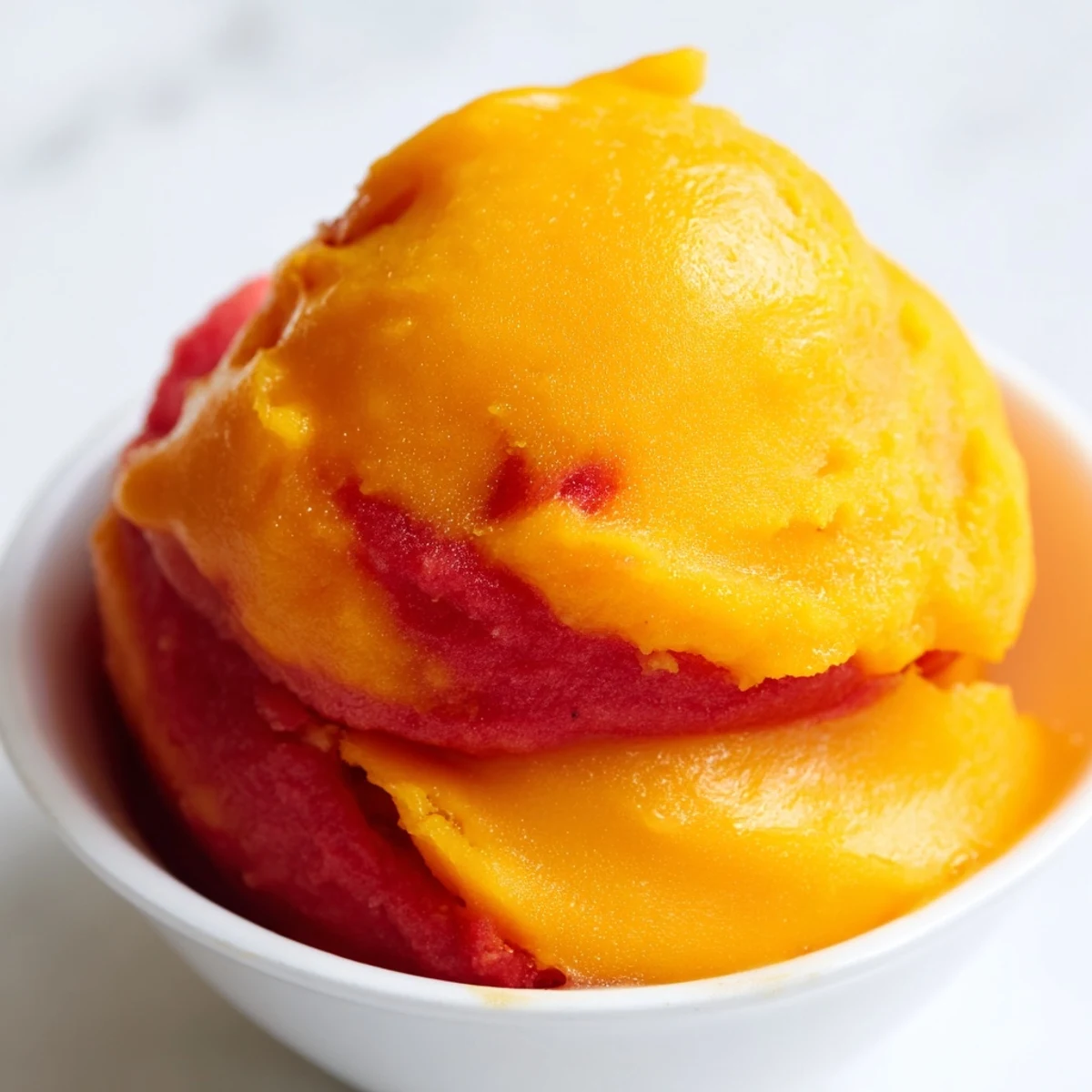
 Whether you're cooling down after a long day or serving something impressive to guests, this sorbet never fails to hit the spot. Simple, vibrant, and utterly refreshing.
Recipe Q&A
- → How long does it take to make this sorbet?
-
The active preparation time is only 15 minutes. However, the mixture needs 4 hours to freeze properly, with occasional stirring every 30 minutes during the first 2-3 hours to break up ice crystals and ensure a smooth texture.
- → Can I use frozen fruits instead of fresh?
-
Absolutely. Frozen mango and strawberries work excellently and can actually speed up the freezing process since the fruit is already cold. Just thaw slightly before blending for easier processing.
- → What's the purpose of the simple syrup?
-
The simple syrup (sugar dissolved in water) ensures even distribution of sweetness throughout the sorbet. It also helps create a smoother texture by interfering with ice crystal formation during freezing, preventing the mixture from becoming too hard.
- → How should I store leftover sorbet?
-
Keep in an airtight, freezer-safe container for up to 2 weeks. Let sit at room temperature for 5-10 minutes before scooping to soften slightly. For longer storage, press plastic wrap directly onto the surface to prevent ice crystals.
- → Can I make this without added sugar?
-
Yes, you can rely on the natural sweetness of ripe mangoes and strawberries. However, sugar plays a crucial role in texture—without it, the sorbet may freeze harder and develop larger ice crystals. Try using honey, maple syrup, or a touch of agave as alternatives.
- → Why add lime juice to the mixture?
-
Lime juice serves two purposes: it balances the intense sweetness of mangoes with bright acidity, and the acid helps preserve the vibrant colors of both fruits while enhancing their natural flavors. A tablespoon makes all the difference.