
 Pin it
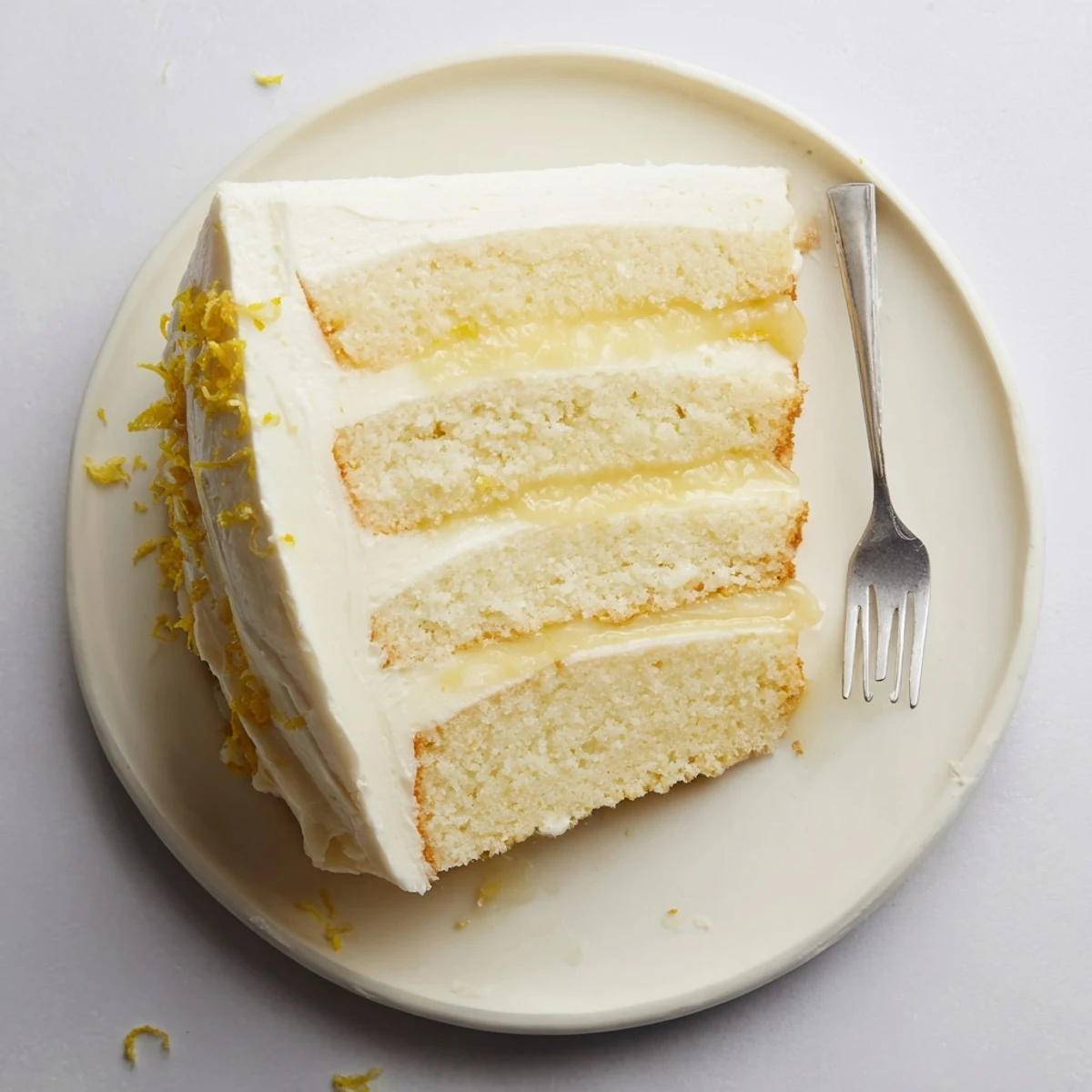
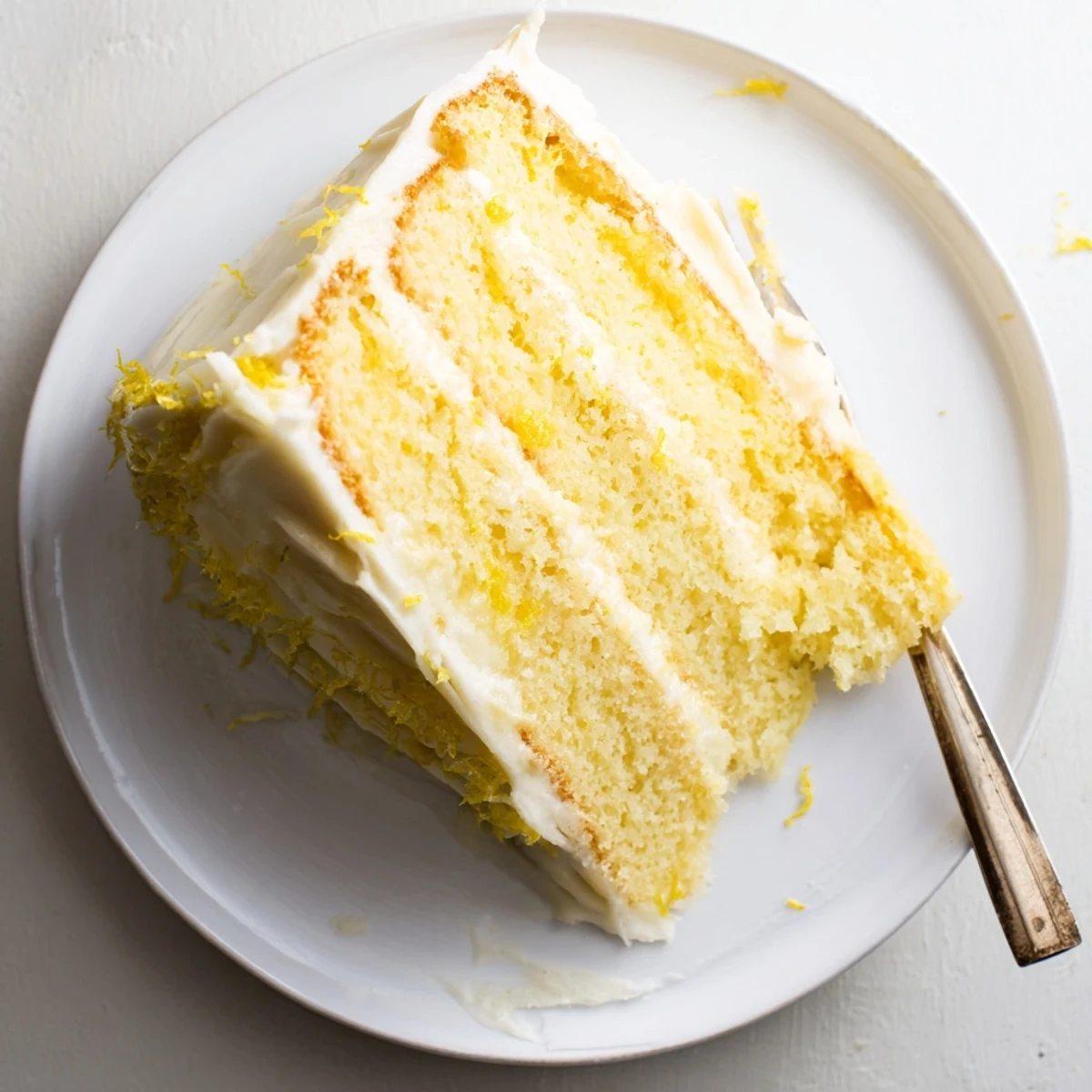
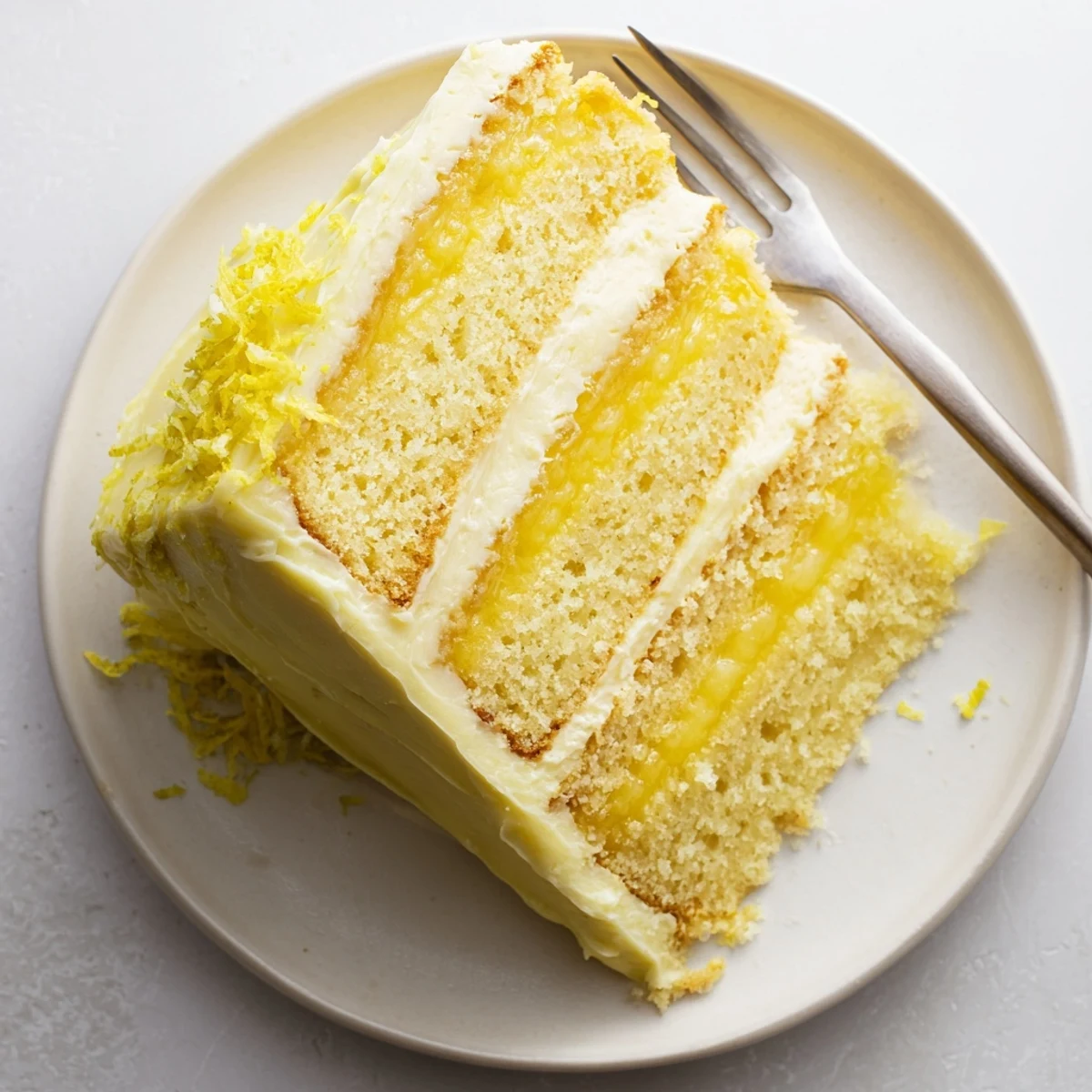
 This elegant lemon layer cake combines tender vanilla sponge with vibrant citrus flavors. The three-layer masterpiece features homemade tart lemon curd sandwiched between moist cakes, all enveloped in silky lemon buttercream. Each bite delivers bright, zesty notes balanced by creamy sweetness. Ideal for birthdays, showers, or special occasions, this stunning dessert serves twelve and tastes even better when made a day ahead, allowing flavors to meld beautifully.
The first time I made this lemon layer cake, I was trying to impress someone who claimed they didn't like dessert. I watched them take that first hesitant bite, their eyes lighting up as the tart curd hit the silky buttercream. Now it's my go to celebration cake, the one that makes even the most stubborn sweet skeptic ask for seconds.
I baked this for my grandmother's 80th birthday, nervously stacking the layers as the kitchen grew warmer. She took one slice and declared it better than the bakery cake she'd been ordering for decades, which might be the highest compliment I've ever received in the kitchen.
Ingredients
- All-purpose flour: The foundation of your tender sponge, measured carefully for consistent texture
- Baking powder and soda: These work together to give your cake that beautiful rise and light crumb
- Unsalted butter: Room temperature butter creams properly and creates that fluffy texture we want
- Granulated sugar: Sweetens while helping create structure and a golden crust
- Large eggs: Bind everything together and add richness, so use them at room temperature
- Lemon zest: This is where all that bright lemon oil lives, so grate it finely
- Fresh lemon juice: Bottled juice can't compare to the fresh stuff here, so squeeze those lemons
- Buttermilk: Adds tang and tenderness while activating the baking soda for lift
- Vanilla extract: Rounds out the sharp lemon notes with warmth
- More eggs: The curd needs extra yolks for that silky, luscious texture
- More butter: Cold and cubed this time, stirred into hot curd for emulsification
- Powdered sugar: Sifted to prevent lumps in your silky buttercream
- Milk: Just enough to reach your perfect spreading consistency
Instructions
- Preheat your oven and prep those pans:
- Set your oven to 350°F (175°C) and grease three 8-inch round pans, lining the bottoms with parchment paper so nothing sticks later.
- Whisk your dry ingredients together:
- Combine the flour, baking powder, baking soda, and salt in a bowl so they're evenly distributed.
- Cream butter and sugar until fluffy:
- Beat the butter and sugar until pale and fluffy, then add eggs one at a time, stirring in the lemon zest and vanilla.
- Combine wet and dry gently:
- Mix in the flour mixture in three additions, alternating with buttermilk and lemon juice, beginning and ending with flour.
- Bake until golden:
- Divide batter evenly among pans and bake for 25 to 30 minutes until a toothpick comes out clean, then cool in pans for 10 minutes before turning onto racks.
- Make the lemon curd:
- Whisk eggs and sugar, stir in lemon juice and zest, then place over simmering water and whisk constantly until thickened, about 10 minutes.
- Finish the curd:
- Remove from heat and stir in butter until melted, then strain, cover, and chill until set.
- Prepare the buttercream:
- Beat butter until smooth, gradually add powdered sugar, then lemon juice, zest, salt, and milk as needed to reach a silky consistency.
- Assemble your masterpiece:
- Place one cake layer on a serving plate, spread a thin layer of buttercream, pipe a border around the edge, and fill with half the lemon curd.
- Stack and frost:
- Repeat with the second layer, top with the third layer, and frost the entire cake with remaining buttercream.
 Pin it
 This cake has become my summer birthday tradition, the one everyone actually requests instead of letting me surprise them with something new. There's something about those bright lemon layers that makes any celebration feel a little more special.
Making It Ahead
I've learned through experience that the cake layers freeze beautifully wrapped tightly in plastic and foil. The lemon curd keeps in the fridge for a week, though it rarely lasts that long once people discover it exists.
Getting The Right Texture
The trick to that bakery quality finish is letting your buttercream come to room temperature before frosting. Cold buttercream pulls up crumbs, while room temperature spreads like silk over those tender cake layers.
Serving Suggestions
This cake actually tastes better if it sits for a few hours after frosting, letting the flavors meld and the buttercream soften the crumb just slightly.
- Bring the cake to room temperature for 30 minutes before serving
- Use a hot knife to get those perfectly clean slices
- Store any leftovers in the refrigerator, covered well
 Pin it
 Every time I make this cake, I'm reminded that some desserts are worth every single step and dirty bowl. Hope it becomes your special occasion favorite too.
Recipe Q&A
- → How long does lemon layer cake stay fresh?
-
When stored properly in an airtight container in the refrigerator, this cake stays fresh for 3-4 days. The flavors actually develop and intensify overnight, making it an excellent make-ahead dessert for events.
- → Can I freeze lemon cake layers?
-
Yes! Wrap each cooled layer tightly in plastic wrap, then foil. Freeze for up to 3 months. Thaw overnight at room temperature before assembling with curd and buttercream for best results.
- → Why is my lemon curd not thickening?
-
Curd thickens as it cools. If still runny after 10 minutes of cooking, continue whisking over simmering water another 2-3 minutes. Remember it will firm up considerably once chilled in the refrigerator for at least 2 hours.
- → Can I make this as a sheet cake instead?
-
Absolutely! Use two 9x13 inch pans, adjusting baking time to 20-25 minutes. You'll have enough curd and buttercream to fill and frost the larger layers beautifully.
- → What's the best way to get flat cake layers?
-
Weigh your batter to distribute evenly among pans. Avoid opening the oven door during baking. If layers dome slightly, use a serrated knife to level tops while still warm, then cool completely.
- → Can I substitute the buttermilk?
-
Mix 1 cup regular milk with 1 tablespoon white vinegar or lemon juice. Let sit 5 minutes until thickened. This homemade version works perfectly in the sponge batter.