
 Pin it
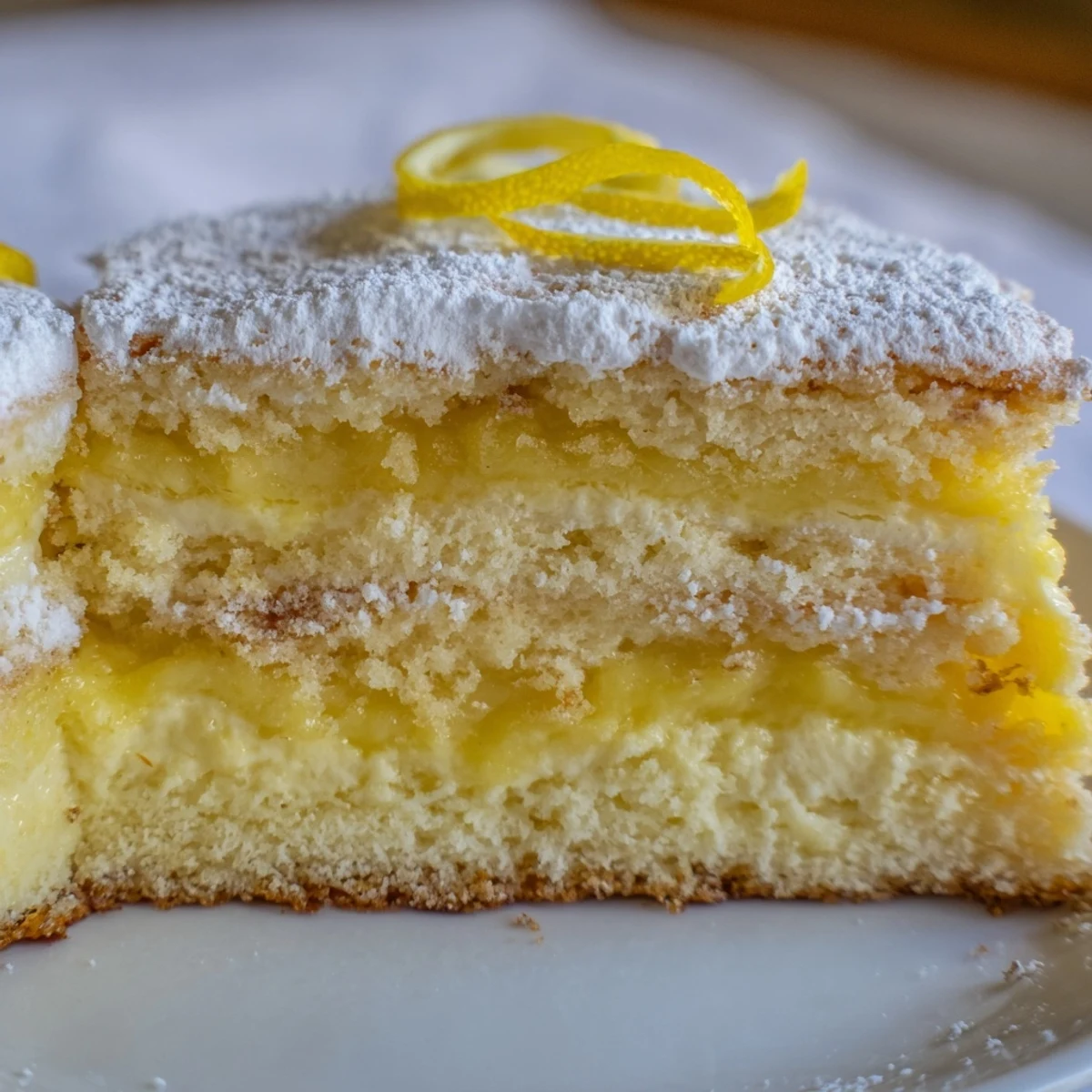
 This beloved Italian dessert combines delicate vanilla sponge with rich lemon custard, creating layers of texture and bright citrus flavor. The cake gets its signature lightness from beaten egg whites folded gently into the batter, while the custard delivers silky smoothness with just the right tang. Perfect for gatherings or quiet moments with espresso, this treat captures the essence of traditional Italian baking—simple ingredients transformed through patience into something extraordinary.
The first time I watched my neighbor Anna make this cake, she worked in that slow, deliberate way that Italian nonnas seem to possess naturally. No measuring cups, just handfuls and knowing glances at the batter. What fascinated me most was how the magic happened during baking, the cake separating into distinct layers all on its own.
Last spring, I made this for my mothers birthday instead of the usual frosted layer cake. The whole family fell silent when they took that first bite, the way people do when something unexpectedly wonderful happens. Now it is the most requested dessert for every special occasion.
Ingredients
- 1 cup granulated sugar: Divided between the batter and custard, this sweetness balances the bright lemon without masking it
- 1/2 cup unsalted butter: Room temperature butter incorporates air better, giving the cake its delicate crumb
- 5 large eggs separated: The whites create lift while yolks enrich both cake and custard layers
- 1/3 cup fresh lemon juice: Use freshly squeezed, as bottled juice lacks the fragrant oils that make this dessert sing
- 1 tablespoon lemon zest: Grate carefully to avoid the bitter white pith, which can overpower the delicate flavor
- 1 2/3 cups whole milk: Full fat milk is essential here, as it provides the richness needed for proper custard texture
- 1 cup all-purpose flour: Spoon and level the flour rather than dipping directly, which prevents dense, dry results
- 1/2 cup cornstarch: This is the secret to a custard that holds its shape between cake layers without becoming rubbery
- 2 tablespoons unsalted butter for custard: Added at the end, this creates that silky, restaurant-quality finish
Instructions
- Prepare your kitchen space:
- Preheat oven to 350°F and generously butter a 9-inch round pan, dusting the inside with flour to ensure an easy release later.
- Build the cake foundation:
- Cream sugar and butter until pale and fluffy, then beat in egg yolks one at a time before mixing in lemon zest and juice until fragrant.
- Combine dry and wet elements:
- Whisk flour with baking powder and salt, then alternately fold into the butter mixture with milk until just smooth.
- Give the cake its lift:
- Beat egg whites to glossy peaks and fold gently into the batter in three additions, preserving all the air you just worked to create.
- Bake until golden:
- Pour batter into your prepared pan and bake for 30-35 minutes until the top springs back when touched lightly in the center.
- Start the silky custard:
- Warm milk in a saucepan while whisking sugar, yolks and cornstarch in a bowl until smooth and pale yellow.
- Temper and thicken:
- Slowly stream hot milk into egg mixture while whisking constantly, then return everything to the pot and cook until thickened.
- Finish with butter and lemon:
- Remove from heat and stir in butter, lemon zest and juice, then press plastic wrap directly onto the surface to prevent a skin from forming.
- Bring it all together:
- Once both components are completely cool, slice the cake in half horizontally and spread custard generously before replacing the top layer.
 Pin it
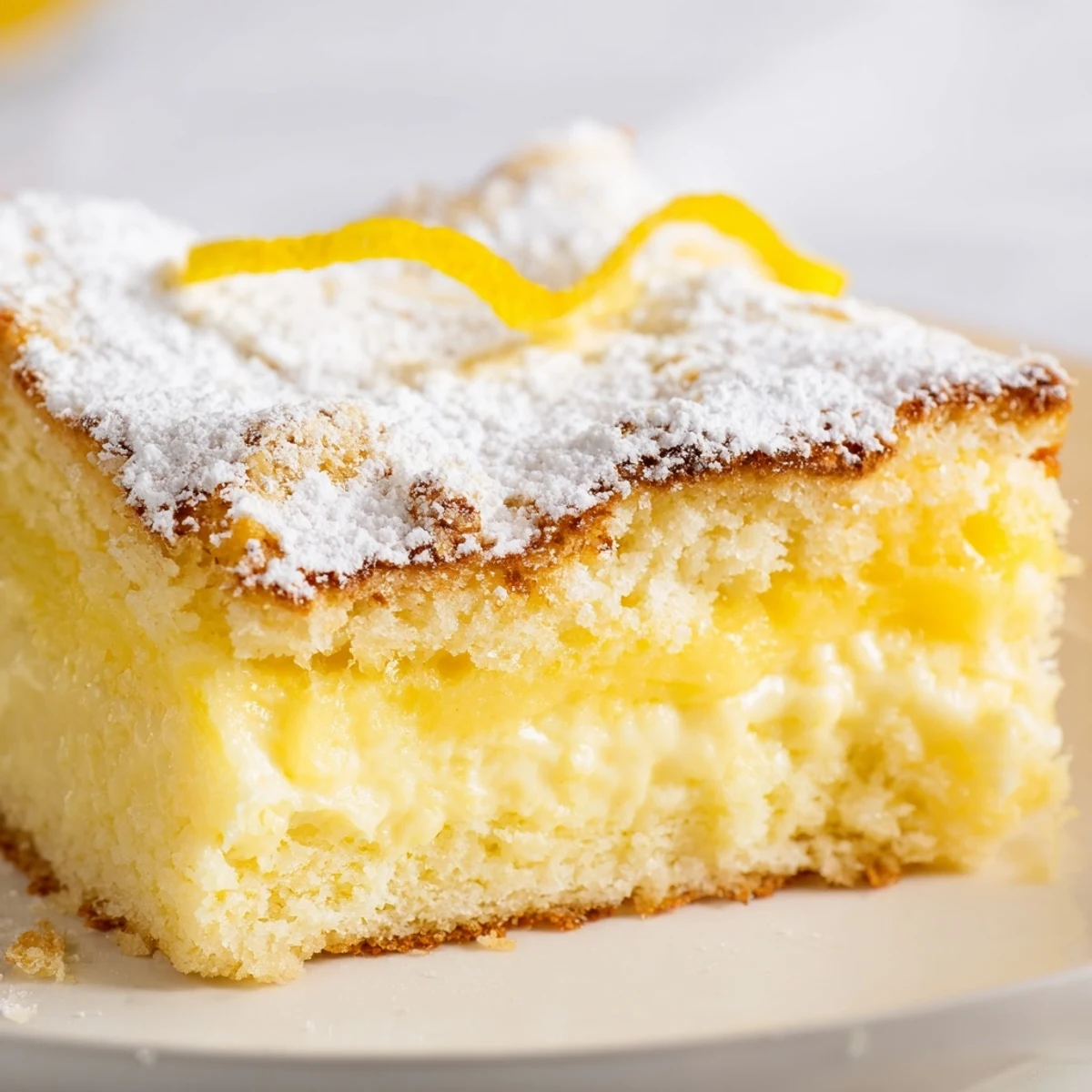
 There is something profoundly satisfying about serving this dessert and watching people discover that custard layer in the middle. It has become the cake I make when I want to show someone I care without saying a word.
Making It Ahead
The cake layers actually improve after a day in the refrigerator, as the flavors deepen and the crumb becomes more tender. You can bake the cake up to two days before serving and prepare the custard a day ahead, keeping them separate until assembly time.
Serving Suggestions
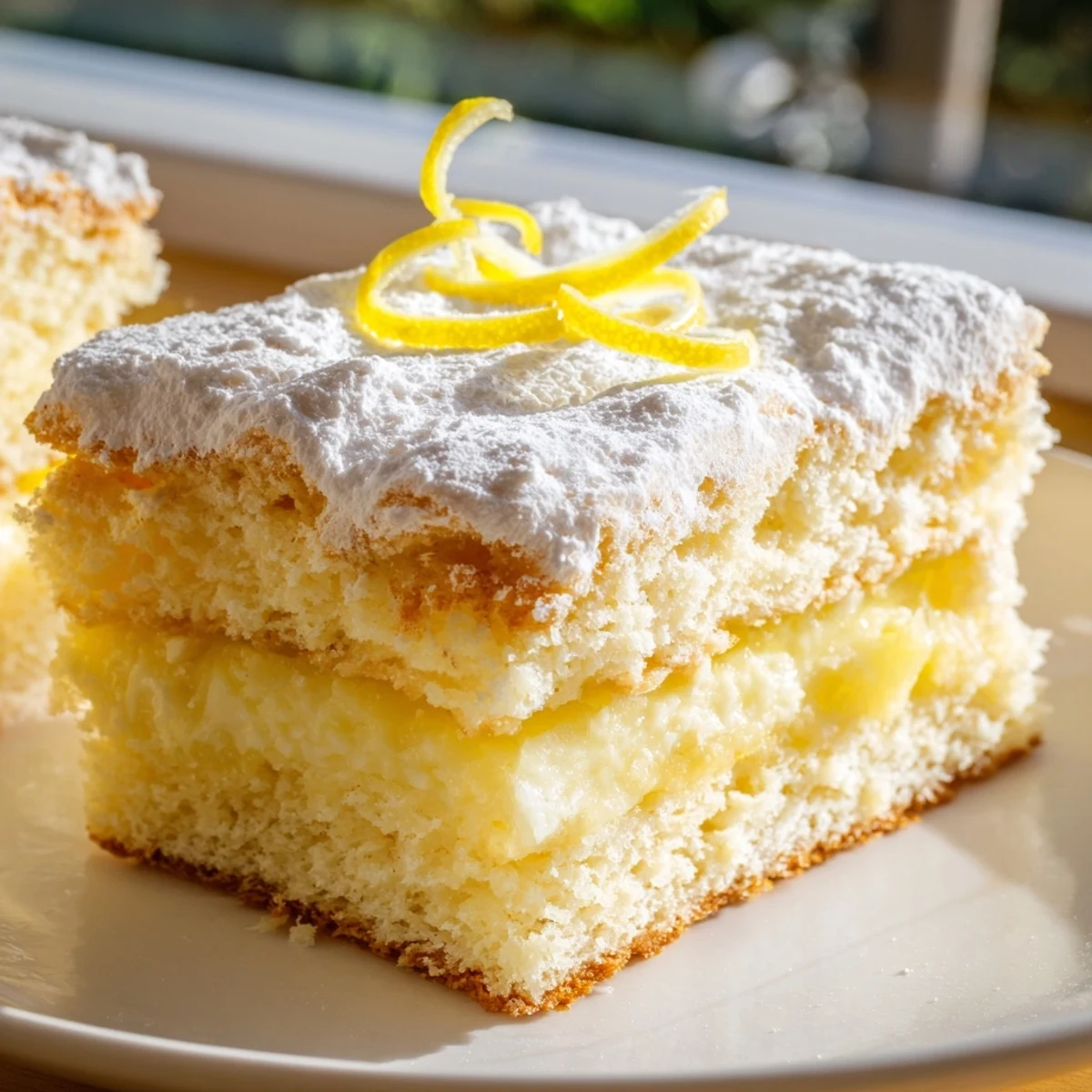
A light dusting of powdered sugar just before serving is elegant, but I love adding fresh berries alongside for color and freshness. A small glass of limoncello on the side feels entirely appropriate and turns dessert into a proper Italian experience.
Recipe Secrets
After years of making this cake, I have learned that patience during the custard stage cannot be rushed. Low and slow stirring prevents scorching and ensures that silken texture that makes this dessert so special.
- Use a microplane for the finest zest without any bitter pith
- Test cake doneness with a wooden skewer rather than a metal pick
- Let the assembled cake rest for at least one hour before slicing
 Pin it
 Every bite of this cake reminds me that sometimes the most traditional recipes are the ones worth making again and again. It is dessert that feels like a warm hug from someone who loves you.
Recipe Q&A
- → Can I make the custard ahead of time?
-
Yes, prepare the custard up to two days in advance. Store it in an airtight container in the refrigerator with plastic wrap pressed directly onto the surface to prevent a skin from forming. Bring to room temperature before spreading.
- → Why did my cake collapse after baking?
-
Over-mixing when folding in egg whites can cause the cake to collapse. Fold gently in three additions using a spatula, sweeping from the bottom rather than stirring. Also ensure the oven is fully preheated before baking.
- → Can I use bottled lemon juice instead of fresh?
-
Fresh lemon juice provides the best flavor and brightness. Bottled juice lacks the complex citrus notes and may result in a flat-tasting custard. For the zest, only fresh lemons will give you those aromatic oils that make this dessert shine.
- → How do I prevent the custard from curdling?
-
Temper the egg yolks by slowly whisking in warm milk rather than pouring it all at once. Keep the heat at medium-low while cooking, and stir continuously in a figure-eight motion until thickened. Never let it come to a rolling boil.
- → Can I freeze this assembled cake?
-
Freezing isn't recommended as the custard texture changes and can become watery when thawed. The cake layers freeze well separately wrapped tightly for up to a month. Assemble with fresh custard after thawing for best results.
- → What's the best way to slice the cake horizontally?
-
Use a serrated knife and mark the halfway point around the sides with toothpicks as a guide. Rotate the cake while cutting with gentle sawing motions. Alternatively, use a long piece of unflavored dental floss held taut to slice through evenly.