
 Pin it
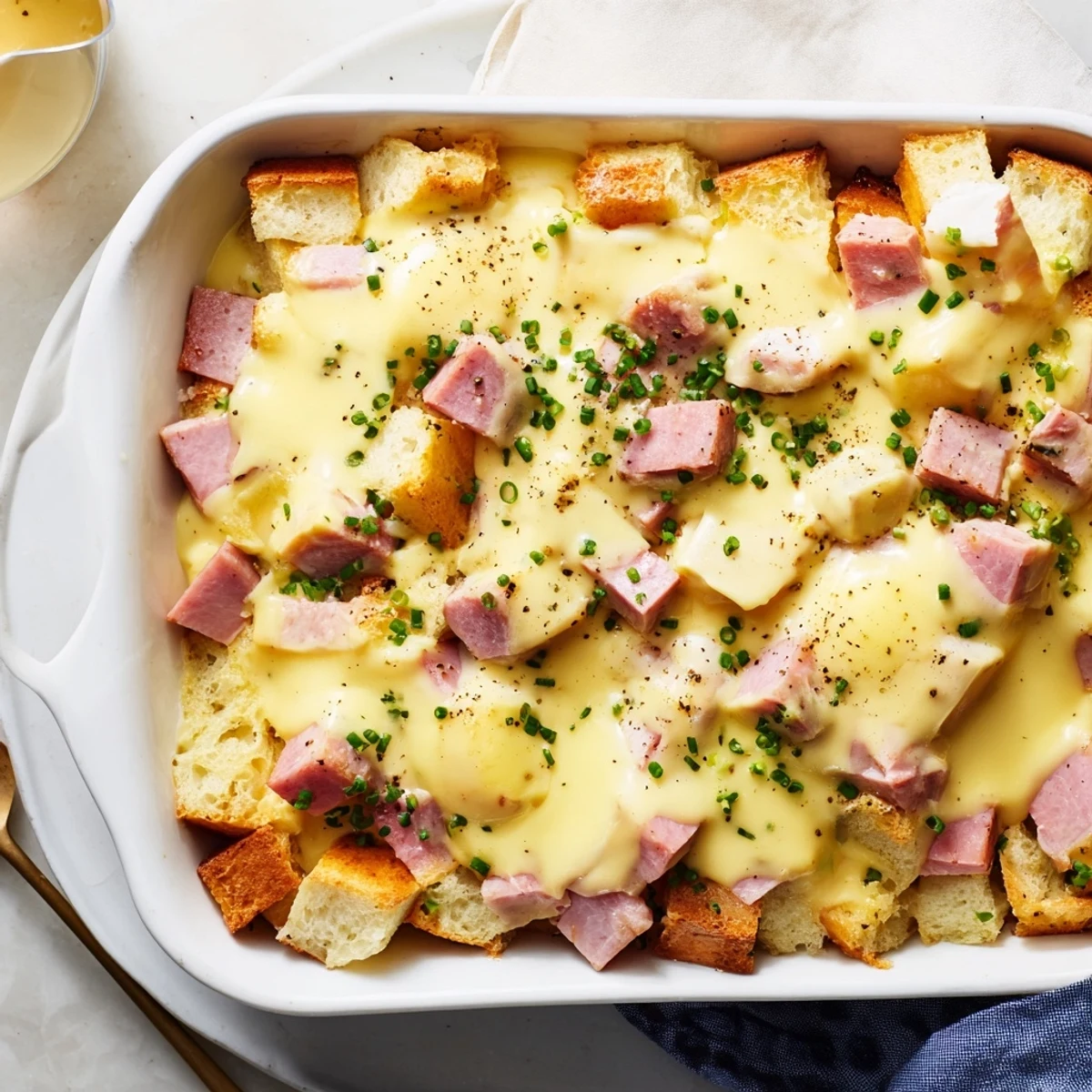
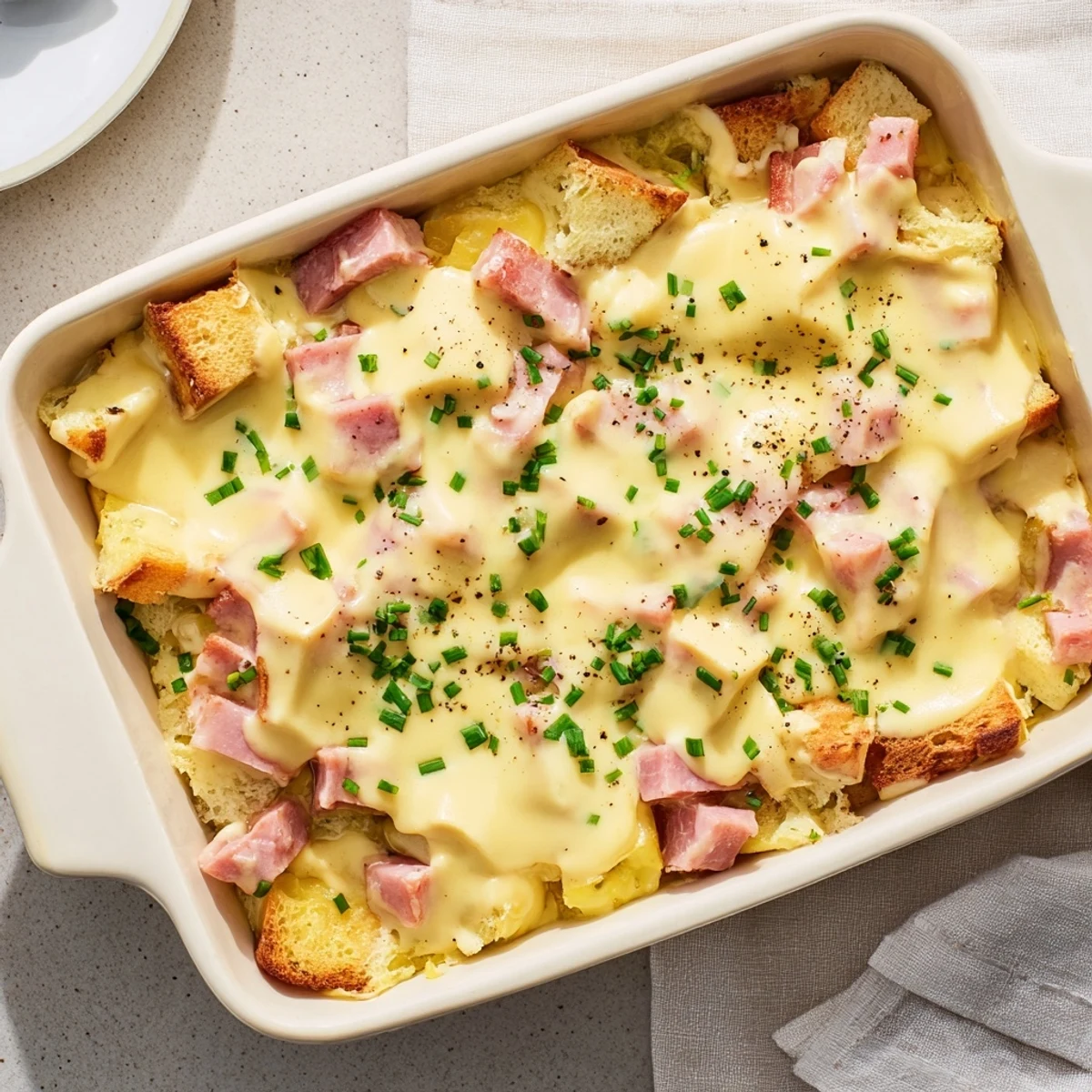
 This hearty breakfast casserole transforms classic Eggs Benedict into an easy-to-serve dish perfect for feeding a crowd. English muffins and Canadian bacon form the base, soaked in a savory egg mixture with milk, Dijon mustard, and paprika. After baking until golden and set, the casserole gets crowned with silky homemade hollandaise sauce featuring fresh lemon juice and a hint of cayenne. The dish can be assembled the night before, making morning prep effortless.
My sister texted me at 10 PM on a Friday, completely panicked about feeding 12 relatives the next morning. I'd been experimenting with Eggs Benedict flavors in casserole form for months, mostly because standing at the stove making individual hollandaise portions for a crowd is my personal version of kitchen hell. That call pushed me to perfect this recipe, and now it's become the brunch request I actually get excited about.
Last Christmas, my niece who 'doesn't like breakfast food' went back for thirds. She cornered me in the kitchen afterward demanding to know what made the sauce so good, and I had to confess it was just butter and egg yolks with some patience. Sometimes the simplest ingredients create the most memorable moments around a table full of people you love.
Ingredients
- 6 English muffins, split and cut into 1-inch pieces: The nooks and crannies are essential here, they soak up the egg mixture and create those fluffy, custard-like pockets throughout the casserole
- 12 oz (340 g) Canadian bacon, diced: This brings the classic Benedict flavor without the fuss of ham slices
- 8 large eggs: Room temperature eggs whisk into the milk mixture more smoothly and incorporate evenly
- 2 cups (480 ml) whole milk: I've tried lighter versions and honestly, the richness matters here for that proper brunch indulgence
- 1/2 teaspoon salt and black pepper each: The Canadian bacon is already salty, so go easy on the additional salt
- 1 teaspoon Dijon mustard: This tiny addition creates depth in the egg layer that people can't quite put their finger on
- 1/4 teaspoon paprika: Just enough to add warmth without making it taste like deviled eggs
- 1/2 cup (115 g) unsalted butter: Clarified butter works best for hollandaise but regular melted butter is fine for home cooking
- 3 large egg yolks: Separate these carefully, even a drop of white can prevent the sauce from thickening properly
- 1 tablespoon fresh lemon juice: Bottled works in a pinch but fresh makes the sauce taste like it came from a restaurant
- 1/2 teaspoon Dijon mustard: The secret ingredient that stabilizes the hollandaise and adds subtle tang
- 1/4 teaspoon salt and 1/8 teaspoon cayenne pepper: This amount of heat creates a gentle warmth at the back of your throat
- 2 tablespoons chopped fresh chives or parsley: The pop of green makes the whole dish look intentional and cared for
Instructions
- Layer it all up:
- Grease your 9x13-inch baking dish thoroughly, even the corners, then arrange half the English muffin pieces followed by half the Canadian bacon, then repeat
- Make the custard:
- Whisk those eggs, milk, salt, pepper, Dijon, and paprika until completely combined, then pour over the layered casserole and press everything down gently
- The waiting game:
- Cover and refrigerate for at least one hour, though overnight is better because the bread really transforms in that time
- Heat things up:
- Preheat your oven to 375°F and let the casserole sit on the counter while the oven comes to temperature
- Bake until golden:
- Bake uncovered for 40 to 45 minutes, checking at the 35-minute mark, until the center is set and the top is gorgeously browned
- The hollandaise moment:
- Whisk the yolks, lemon juice, mustard, salt, and cayenne over simmering water, then slowly drizzle in melted butter while whisking constantly until thickened and smooth
- Rest and serve:
- Let the casserole rest for 10 minutes before slicing and drizzling with that hollandaise like you're plating at a brunch spot
 Pin it
 My brother-in-law asked for this recipe for his own house after serving it to his poker group. It's funny how a dish can become part of someone else's story, how food travels from one kitchen to another and creates new moments for people I've never even met.
Make Ahead Magic
Assembling this the night before transforms your morning from chaotic to peaceful. The bread really benefits from that extended soak time, developing a texture somewhere between bread pudding and French toast. I've even prepped the hollandaise base (without the butter) the night before and finished it while the casserole baked, which shaved off precious minutes.
Sauce Psychology
Hollandaise has this intimidating reputation but it's really just patience and temperature control. The double boiler method is my safety net because indirect heat prevents scrambling the yolks, which is the most common kitchen disaster. If your sauce looks grainy or separated, whisk in a teaspoon of warm water and it usually comes back together.
Scaling For Crowds
This recipe doubles beautifully in a large foil pan, which is how I make it for bigger gatherings. The baking time stays about the same, but you need to rotate the pan halfway through for even cooking.
- If making for more than 16 people, consider making two separate dishes rather than one massive pan
- The hollandaise doesn't scale well beyond double, so make multiple batches if needed
- Leftovers reheat surprisingly well in the oven, though the sauce is best made fresh
 Pin it
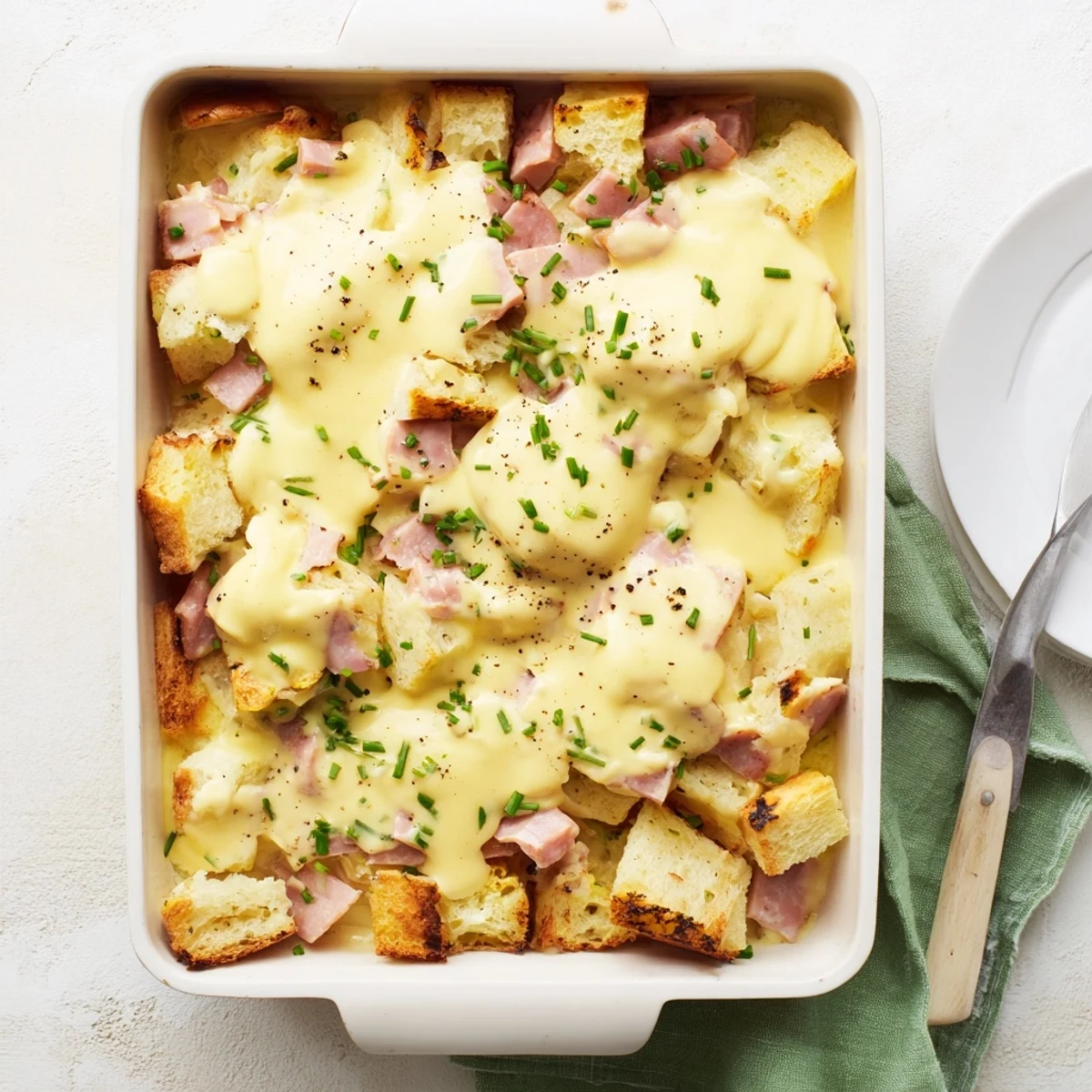
 There's something about a warm, bubbling breakfast casserole that makes people feel taken care of. That's the magic of feeding people, really.
Recipe Q&A
- → Can I make this casserole ahead of time?
-
Yes, you can assemble the entire casserole the night before and refrigerate it overnight. This actually helps the bread absorb more of the egg mixture for better texture. Just bake it in the morning when ready.
- → What can I substitute for Canadian bacon?
-
You can use regular bacon, turkey bacon, or even ham as alternatives. Just keep in mind that regular bacon may need to be cooked first to remove excess grease before layering in the casserole.
- → How do I prevent the hollandaise sauce from separating?
-
The key is tempering the egg yolks gently over barely simmering water, not boiling. Whisk constantly while slowly drizzling in the melted butter. If the sauce gets too thick, add a few drops of warm water to thin it out.
- → Can I freeze leftovers?
-
The baked casserole freezes well for up to 2 months. However, it's best to freeze it without the hollandaise sauce and make fresh sauce when reheating. Reheat in a 350°F oven until warmed through.
- → What should I serve with this casserole?
-
Fresh fruit salad, roasted asparagus, or sautéed spinach make excellent sides. For beverages, sparkling wine like Prosecco or Champagne pairs beautifully, as does fresh orange juice or coffee.
- → Can I make this dairy-free?
-
You can substitute whole milk with unsweetened almond or oat milk. For the hollandaise, use vegan butter or a dairy-free alternative. The texture may vary slightly but will still be delicious.