
 Pin it
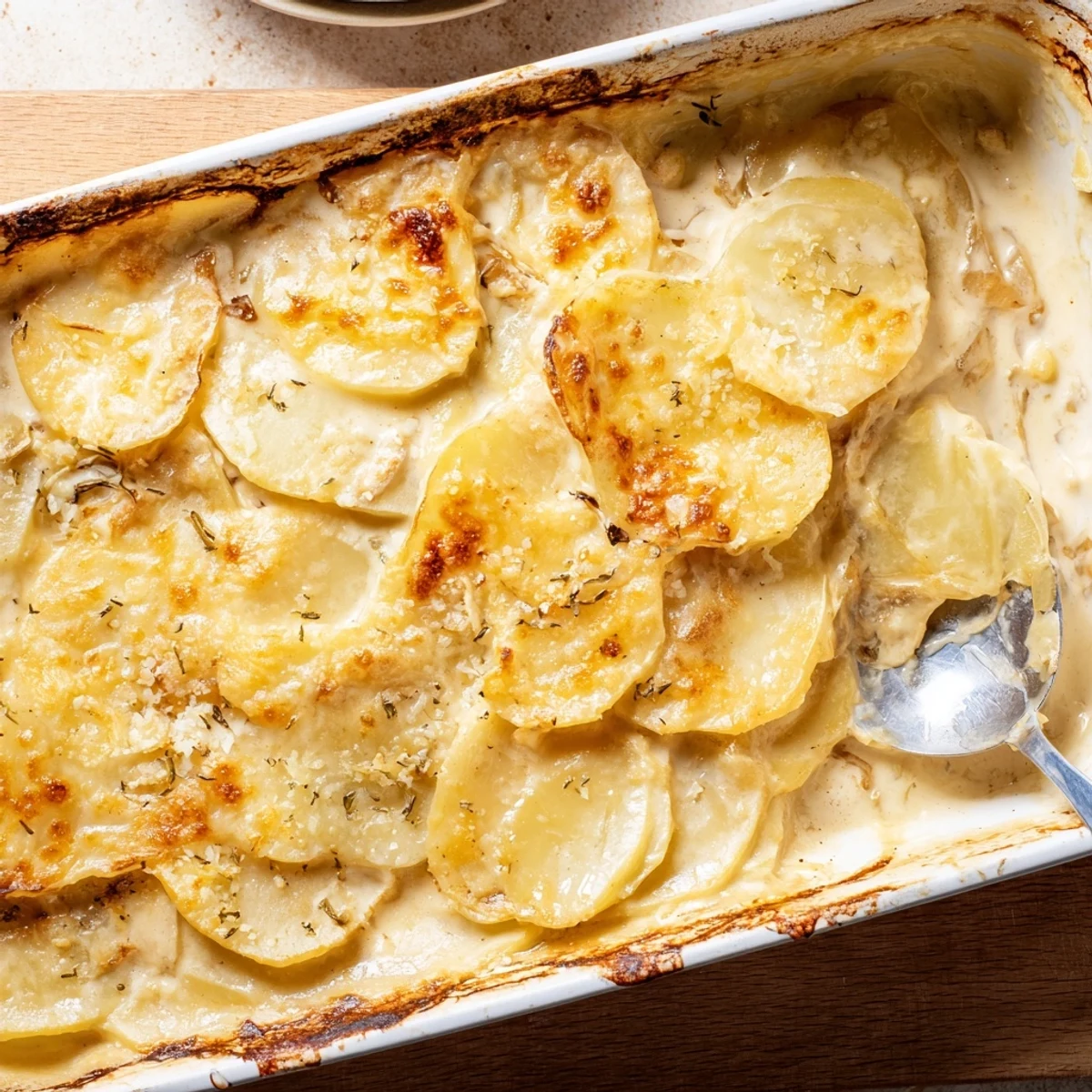
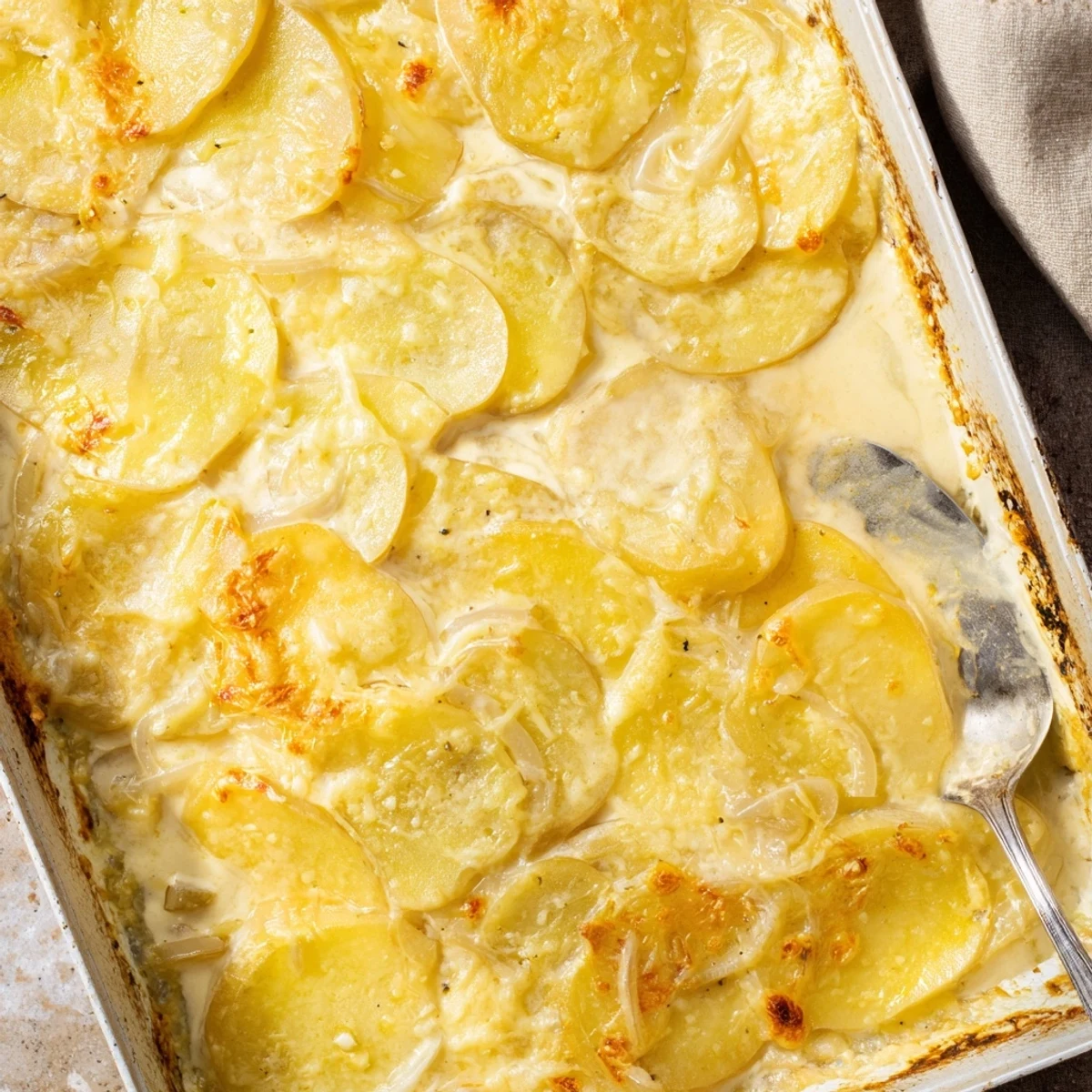
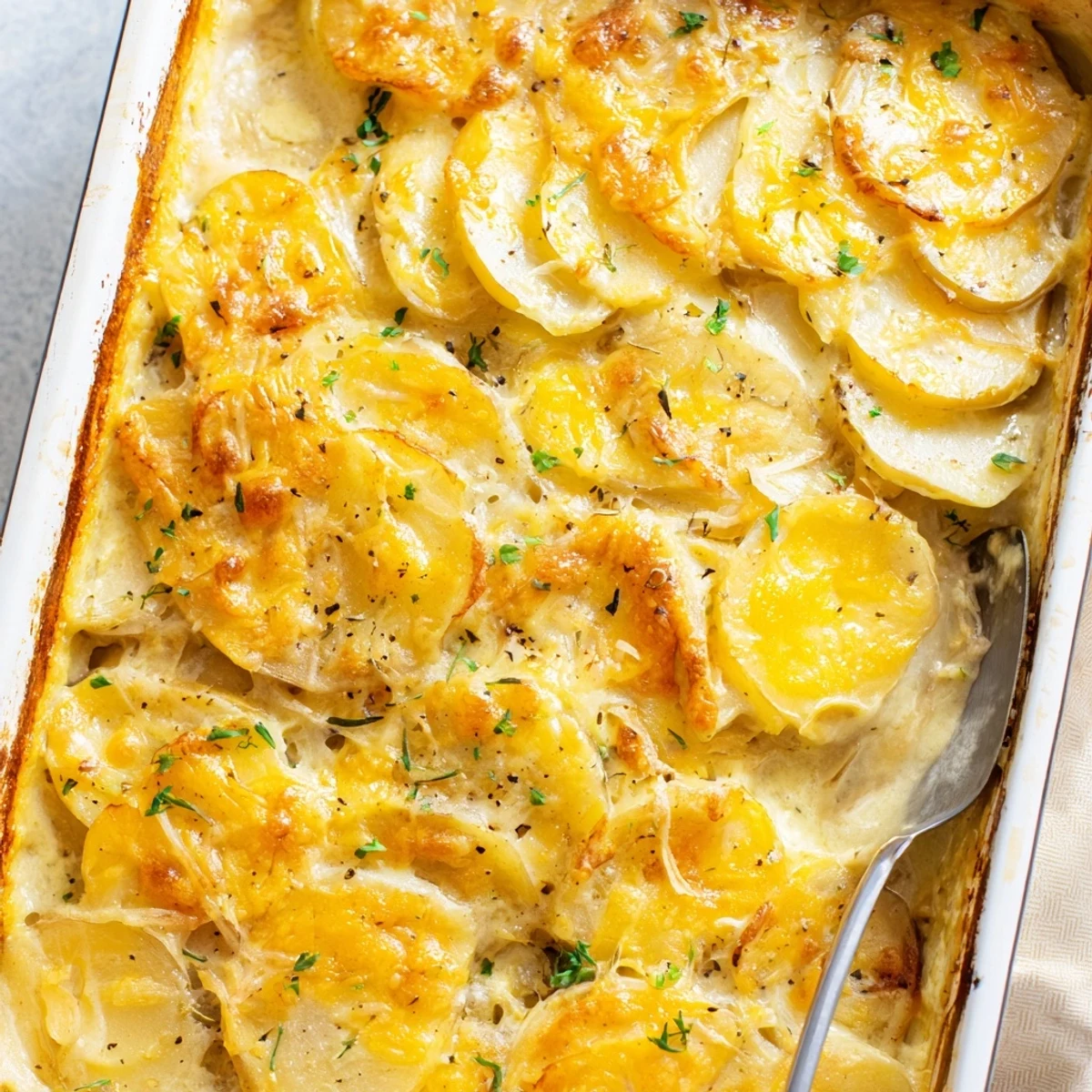
 These classic scalloped potatoes feature thin slices of Yukon Gold or Russet potatoes nestled in a velvety homemade cheese sauce. The combination of sharp cheddar and nutty Parmesan creates depth, while a hint of nutmeg adds subtle warmth. After slow baking, the top develops a gorgeous golden crust with edges that crisp up beautifully. The interior stays incredibly creamy, with each forkful offering tender potato layers coated in rich sauce.
Perfect for holiday gatherings, Sunday roasts, or weeknight dinners, this side dish serves six generously and pairs wonderfully with roasted meats, ham, or grilled poultry. The straightforward technique involves making a simple roux-based sauce, layering with potatoes, and baking until bubbling perfection.
The smell of bubbling cheese and cream still takes me back to my grandmother's tiny kitchen, where she'd let me stand on a chair to sprinkle the final handful of cheddar on top. She never measured anything, just knew by the weight of the potatoes in her hand how much sauce would be needed. Those Sundays taught me that the best dishes come from patience, not precision. Now I understand why she always made extra—we all pretended to be full but somehow found room for seconds.
I brought these to a neighborhood potluck last winter, and watched three different people ask for the recipe before they'd even finished their first bite. The hostess confided she'd been making scalloped potatoes for thirty years and had never gotten them quite this creamy. That accidental compliment taught me more about technique than any cookbook ever has.
Ingredients
- Yukon Gold potatoes: They hold their shape beautifully while becoming meltingly tender, and their natural sweetness balances the rich sauce
- Sharp cheddar cheese: The extra aged flavor means you can use less while still getting that punchy cheese taste we all crave
- Whole milk and heavy cream: This combination creates the velvety texture that separates home cooking from restaurant quality
- Butter: Always use unsalted so you can control the seasoning, and dont skip sautéing the onion if you want depth
- All purpose flour: Just enough to thicken the sauce into something luxurious that coats every potato slice
- Nutmeg: The secret ingredient my grandmother swore by, it adds warmth without making the dish taste like dessert
Instructions
- Get your oven ready:
- Preheat to 375°F and butter your baking dish thoroughly—those little corners are where the cheese gets good and crispy
- Build the base:
- Melt butter in your saucepan, cook the onion until soft, then whisk in flour for just a minute until it smells nutty and bubbly
- Create the sauce:
- Slowly pour in the milk and cream while whisking constantly, then let it simmer until it coats the back of a spoon
- Add the cheese:
- Remove from heat and stir in most of your cheddar and all the Parmesan until completely melted, then season well
- Layer it up:
- Arrange potato slices in overlapping layers, pouring half the sauce over the first layer before repeating with remaining potatoes and sauce
- Finish and bake:
- Sprinkle the remaining cheddar on top, cover with foil for 40 minutes, then uncover and bake until golden and bubbling
 Pin it
 My youngest daughter declared these the best thing I cook, which is saying something considering her usual stance on vegetables. Watching her sneak back to the kitchen for cold leftovers the next morning reminded me why comfort food earned its name.
Making It Your Own
I've discovered that Gruyère adds this sophisticated nuttiness that makes people think you spent hours on the dish. Sometimes I add fresh thyme or a pinch of garlic powder, especially when serving picky eaters who claim not to like onions. The beauty of this recipe is how forgiving it is—its hard to mess up something this inherently comforting.
Timing And Texture
The foil stage is crucial for getting those potatoes tender throughout without drying out the top. I've learned to trust my nose more than the timer—when that cheese starts smelling deeply toasted and golden, it's usually perfect. Cover it too long and you miss that beautiful bubbling crust that makes everyone's eyes light up.
Serving And Storage
This is one of those rare dishes that actually improves overnight, so don't hesitate to make it ahead and reheat gently. I've served it alongside everything from holiday ham to simple roasted chicken, and it never fails to disappear. Leftovers (if you have them) reheat beautifully in the microwave or a low oven.
- Let the dish sit at least 10 minutes before serving
- A salad with bright vinaigrette cuts through all that richness perfectly
- The potatoes will continue absorbing sauce as they sit, so leftovers are even creamier
 Pin it
 There's something deeply satisfying about serving a dish that makes people close their eyes and smile. This recipe has earned its permanent place in my collection, and I suspect it will find a home in yours too.
Recipe Q&A
- → What potatoes work best for scalloped potatoes?
-
Yukon Gold potatoes are ideal because they hold their shape well during baking and have a naturally creamy texture. Russet potatoes also work beautifully and become very tender. Avoid waxy varieties like red potatoes, as they won't soften properly.
- → How do I prevent the sauce from curdling?
-
Use room temperature milk and cream when adding to the roux, and whisk constantly to prevent lumps. Don't let the sauce come to a rolling boil—gentle simmering keeps it smooth. Adding cheese off the heat also prevents separation.
- → Can I make these ahead of time?
-
Yes, assemble the dish completely, cover tightly, and refrigerate up to 24 hours before baking. Add 10-15 minutes to the covered baking time since it will be cold. You can also fully bake and reheat individual portions.
- → Why are my potatoes still hard after baking?
-
Slice potatoes thinly and evenly, about 1/8 inch thick, for uniform cooking. Thicker slices take longer to soften. If your potatoes are stubborn, cover with foil and continue baking until a knife inserts easily.
- → What cheeses can I substitute?
-
Gruyère adds wonderful nuttiness, Swiss brings mild flavor, or Fontella melts beautifully. For sharper taste, extra aged cheddar works well. Avoid fresh mozzarella as it becomes too stringy.
- → How do I get a crispy golden top?
-
Remove the foil during the last 20 minutes of baking. For extra browning, broil for 2-3 minutes watching closely. The final cheese layer should bubble and turn deep golden in spots.